How to Grocery Shop on a Tight Budget When Prices Rise
When grocery bills creep up, it can feel like every trip to the store comes with a little shock at the checkout line. The good news is that you do not need a perfect pantry or a coupon binder to keep feeding your household well. A few flexible habits, smart swaps, and a simple plan can make grocery shopping on a tight budget much easier.
This is less about cutting every pleasure and more about choosing foods that stretch, store well, and work in more than one meal. If prices are changing faster than your weekly routine, the strategies below can help you stay calm, feed everyone, and waste less.
Start with a flexible meal plan
A budget-friendly grocery trip begins before you walk into the store. Instead of planning seven completely separate dinners, build a short list of meals that share ingredients. That way, if one item is expensive or unavailable, you can pivot without starting over.
Try planning around three building blocks:
- One protein: eggs, chicken thighs, dry beans, lentils, tofu, or ground turkey
- One starch: rice, pasta, potatoes, tortillas, oats, or bread
- One or two vegetables: whatever is on sale, in season, or frozen
For example, a batch of rice can become a stir-fry one night, a burrito bowl the next, and a soup thickener later in the week. That kind of overlap is what makes grocery shopping on a tight budget manageable.
Use a 3-meal rotation
If you are tired of making decisions after work, repeat a simple pattern each week:
- One skillet meal like pasta, fried rice, or a sautéed grain bowl
- One soup or chili that can stretch with beans, vegetables, and broth
- One mix-and-match dinner like tacos, baked potatoes, or breakfast-for-dinner
Repeating formats saves time and makes shopping easier because you know exactly what categories to buy.
Choose ingredients that pull double duty
Some foods are naturally better for tight budgets because they can be used in multiple ways. Instead of paying extra for convenience items, look for ingredients that can become lunch, dinner, and leftovers.
Budget staples that go far
- Dry beans and lentils: Inexpensive, filling, and easy to season different ways
- Rice and pasta: Great base ingredients for sauces, stir-fries, and casseroles
- Eggs: Fast protein for breakfast, dinner, or a quick fried rice
- Potatoes: Roast them, mash them, add them to soup, or turn them into hash
- Frozen vegetables: Often cheaper than fresh out of season and less likely to spoil
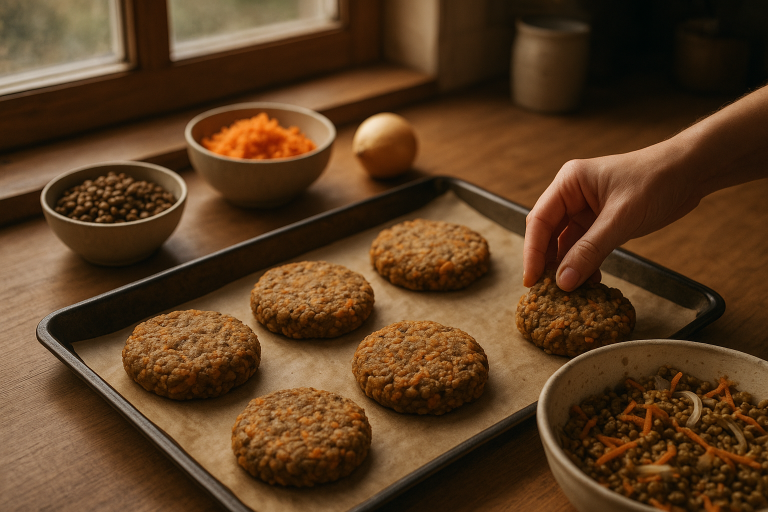
- Oats: Useful for breakfast, baking, and even meatballs or veggie patties
When possible, compare the cost per ounce or cost per serving rather than only the shelf price. A larger bag of rice or dry beans can look like more upfront spending, but it usually saves money over time.
Shop the store with substitutions in mind
One of the easiest ways to overspend is to cling too tightly to a specific brand or product. If your usual item is pricey, ask yourself what role it plays in the meal. Once you know that, you can swap in something similar.
Here are a few practical examples:
- Pasta sauce: crushed tomatoes, tomato paste, and seasoning can replace a jarred sauce
- Salad greens: cabbage, romaine, spinach, or even shredded carrots can take the place of a pricey mix
- Snack crackers: popcorn, toast, fruit, or homemade muffins often cost less
- Pre-cooked proteins: buy raw chicken or beans and cook them yourself
- Convenience vegetables: choose whole carrots, onions, and cabbage instead of pre-cut trays
If imported or packaged items are unusually expensive, consider store brands or domestic alternatives. Often the difference is less about quality and more about how many extra steps have been added before the food reaches your cart.
Lean on frozen, canned, and shelf-stable foods wisely
Not all processed foods are budget traps. In fact, some of the best grocery savings come from foods that store well and reduce waste. The key is knowing which versions give you the most value.
Best uses for shelf-stable foods
- Frozen vegetables: perfect for soups, stir-fries, casseroles, and omelets
- Canned beans: convenient for emergency meals or quick lunches
- Canned tomatoes: useful for pasta, chili, shakshuka, and stew
- Canned tuna or salmon: easy protein for sandwiches and pasta
- Broth or bouillon: helps turn basic ingredients into soup
If canned goods are getting expensive in your area, compare them to dry options. Dry beans take longer to cook, but a big batch can be refrigerated, frozen, or turned into several meals. A pressure cooker or slow cooker makes them even more practical.
Build a pantry that supports cheap meals
A small, well-chosen pantry can save money because it keeps you from ordering takeout or making extra store runs. You do not need a giant stockpile. You just need a few ingredients that make simple meals possible.
Try keeping these basics on hand:
- Rice, pasta, oats, or tortillas
- Dry beans, lentils, or a few cans of beans
- Tomatoes, tomato paste, or sauce
- Onions, garlic, and potatoes
- Frozen vegetables
- Cooking oil, salt, pepper, and a few seasonings
- Peanut butter or another affordable spread
With those items in place, you can make dozens of meals without much planning. Think bean soup, fried rice, pasta with vegetables, potato hash, quesadillas, or lentil curry.
Reduce waste before it becomes lost money
Food waste is budget waste. If produce goes limp and leftovers disappear into the back of the fridge, you are losing money even if the original grocery trip seemed reasonable. A few storage habits can help stretch every dollar.
Simple habits that save food
- Prep produce soon after shopping. Wash greens, chop carrots, and portion snacks while you still have energy.
- Use the oldest food first. Put newer items behind older ones in the fridge and pantry.
- Freeze extras early. Bread, cooked rice, soup, and shredded cheese all freeze well.
- Plan a leftover night. Treat leftovers as a real meal, not an afterthought.
A half-bag of spinach can disappear into eggs or pasta. Soft fruit can become smoothies or baked oatmeal. Slightly dry bread can become toast, breadcrumbs, or strata. These small habits quietly protect your budget.
A sample budget-friendly week
If you want a simple starting point, here is a loose meal pattern that keeps shopping short and cooking manageable:
- Breakfasts: oats with fruit, eggs and toast, yogurt with granola
- Lunches: leftovers, bean burritos, rice bowls, soup
- Dinners: chicken and potatoes, lentil soup, pasta with vegetables, fried rice, tacos
Notice how the ingredients repeat. That repetition is not boring; it is efficient. You buy less, you use more of what you buy, and you have fewer surprise ingredients sitting unused.
When to splurge and when to save
Being careful with money does not mean saying no to every treat. It means spending deliberately. Save on the items that are easy to replace, and splurge only on the things that truly improve the meal or your routine.
It may make sense to spend a little more on:
- A favorite sauce that helps the family eat vegetables
- Good bread if it prevents snack spending later
- A protein you will actually cook instead of letting it sit
Everything else can be chosen with value in mind. A grocery budget works best when it reflects real life, not fantasy.
Final thoughts
Rising prices can make grocery shopping feel stressful, but a calm system goes a long way. When you plan flexible meals, buy ingredients that stretch, and keep a few budget staples ready to go, you can still cook well without overspending. The trick is not chasing perfection. It is building a routine that works even when prices do not.
If your budget is feeling tight, start with one change this week: swap one convenience item for a staple, plan one leftover night, or build meals around what is already in your kitchen. Small shifts add up fast, and that is often all you need to keep dinner on track.