Agapanthus Care in August: 3 Simple Steps for Better Blooms
August can be tough on garden plants, and agapanthus is no exception. The good news is that a little attention now can help these elegant, globe-shaped flowers keep performing through late summer while also setting them up for a stronger show next year.
If your plants are already blooming, you do not need to baby them. Instead, focus on three practical tasks: keep moisture steady, remove tired flowers, and avoid stress from heat or cramped growing conditions. Those small moves can make a noticeable difference in both appearance and plant health.
1. Water More Carefully During Hot Spells
Agapanthus prefers soil that drains well, but that does not mean it likes to dry out completely. In August, high temperatures and strong sun can make the ground dry faster than usual, especially in pots and raised beds. The goal is to keep roots evenly moist without leaving them soggy.
A simple test works well: stick your finger into the soil about 2 inches deep. If it feels dry at that depth, water thoroughly. For container plants, check even more often because pots heat up quickly and lose moisture faster than garden beds.
Best watering habits for late summer
- Water deeply instead of giving a light sprinkle so moisture reaches the roots.
- Water early in the day so plants can absorb moisture before the hottest part of the afternoon.
- Avoid overhead watering when possible, especially on humid days, to help reduce foliar problems.
- Mulch around the base with a 1- to 2-inch layer of organic mulch, keeping it a few inches away from the stems.
Mulch is especially helpful in August because it slows evaporation and keeps root temperatures more stable. Just do not pile it against the crown of the plant, since that can trap moisture where it is not wanted.
If your agapanthus is in a container, consider moving it to a spot with morning sun and some afternoon shade during extreme heat. That little bit of shelter can reduce stress and keep flowers from fading too quickly.
2. Deadhead Spent Blooms to Redirect Energy
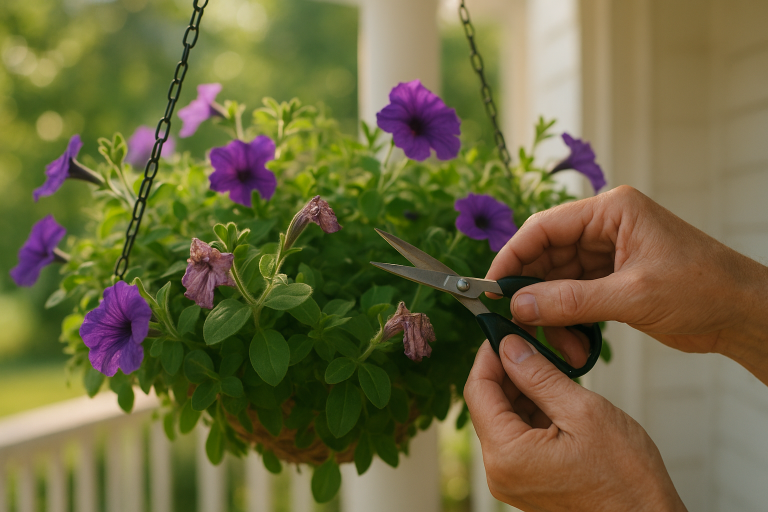
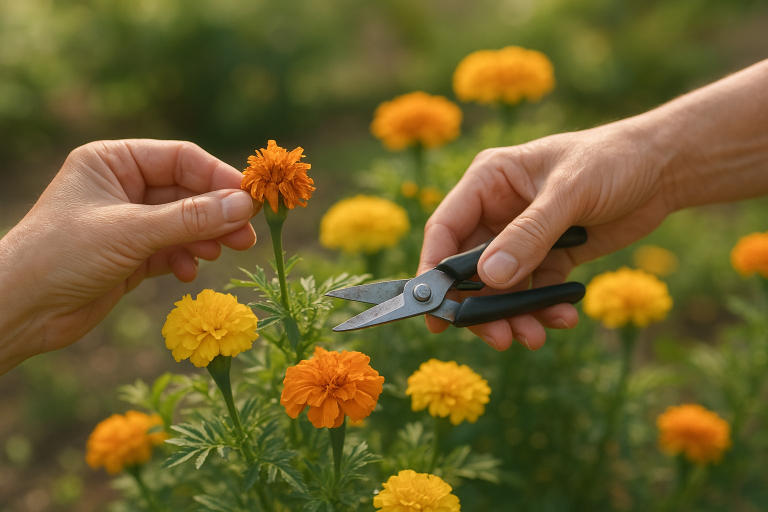
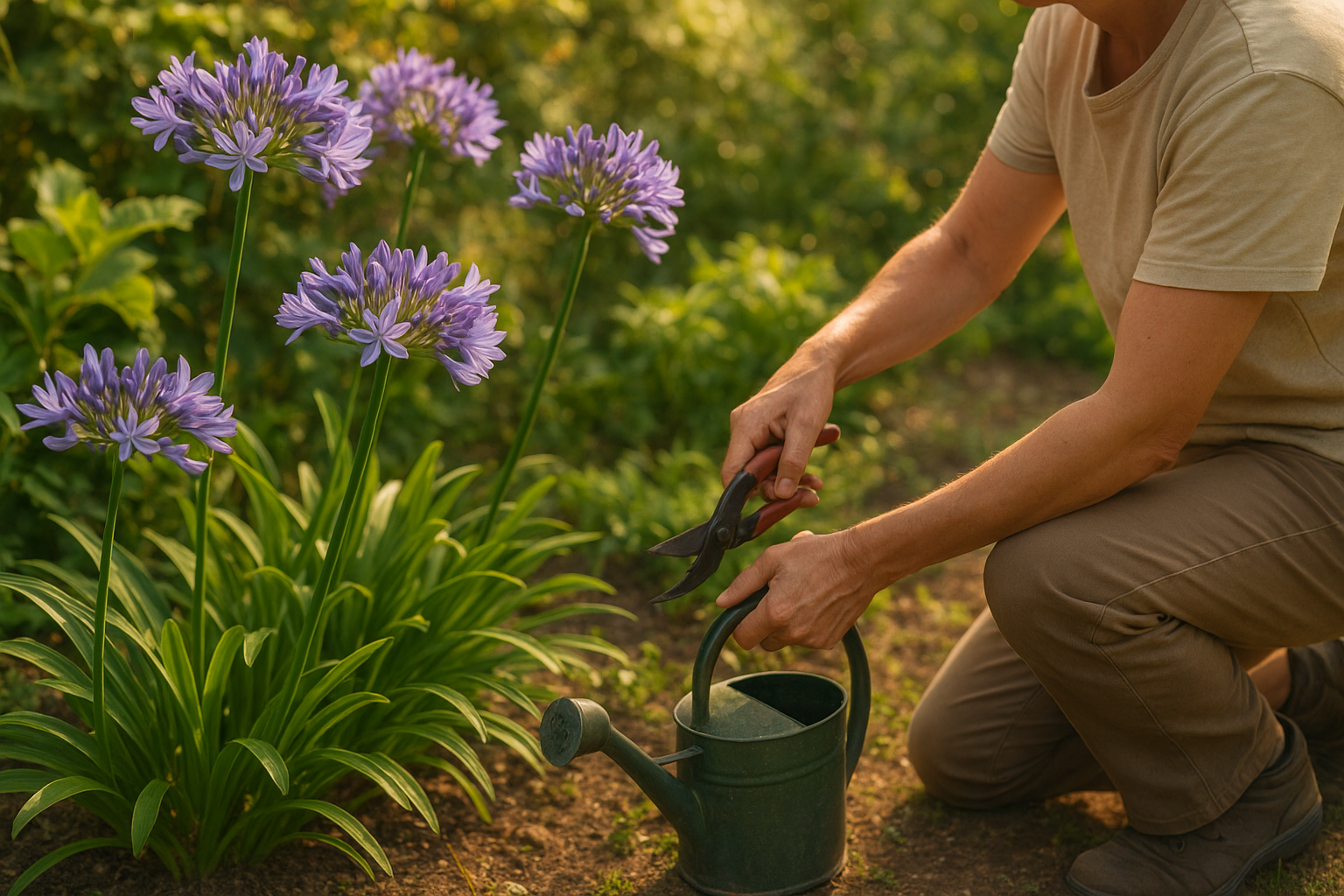
Once the flower clusters begin to fade, snipping them off can help the plant focus on root health instead of seed production. This is one of the easiest ways to improve the plant’s appearance in late summer and prevent it from looking ragged.
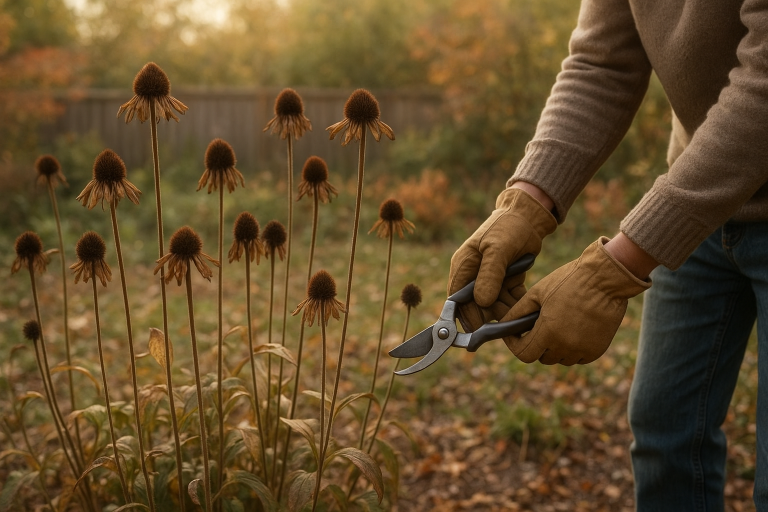
Use clean, sharp pruners or snips to remove the flower stalk after most of the individual blooms have finished. Cut the stem back to its base or just above the foliage, depending on the look of the plant and how much of the stalk remains attractive.
Why deadheading helps
- It keeps the plant tidy and encourages a neater display.
- It may extend the flowering period on some varieties by preventing the plant from shifting energy to seed formation.
- It supports stronger roots and healthier growth over time.
Make sure your tools are clean before you cut. Wiping blades with rubbing alcohol or a disinfecting solution helps reduce the chance of spreading disease from one plant to another. If you are deadheading several perennials in the garden at once, that extra step is worth the effort.
There is one exception: if you want to collect seed, leave a few spent flower heads in place until the pods mature. Keep in mind that seed-grown agapanthus may not come true to the parent plant, so the flowers could differ in color or size. For most gardeners, deadheading is the better choice if the goal is a tidy bed and stronger plants.
3. Check for Crowding, Stress, and Fading Soil Health
August is not the main month for dividing agapanthus, but it is an excellent time to notice whether the plant is becoming overcrowded or struggling in its current spot. Clumps that are packed too tightly may bloom less over time, and container plants can quickly exhaust the nutrients in their potting mix.
Take a close look at the foliage and flowering stems. If the plant is producing fewer blooms than usual, has lots of leafy growth but little flower action, or seems to dry out almost immediately after watering, it may need more room or a refresh in growing conditions.
What to look for
- Roots circling the pot or growing out of drainage holes
- Flowers getting smaller or appearing less frequently
- Leaves looking stressed even when watering is consistent
- The center of a clump thinning out while the outer edges stay dense
If your agapanthus is in a pot, late summer is a good time to consider repotting into a slightly larger container if the plant is obviously rootbound. Use fresh, well-draining potting mix and a pot with drainage holes. Do not move it into an oversized container all at once; a pot that is only one size larger is usually enough.
For plants in the ground, make a note to divide crowded clumps later if blooming declines. In many climates, division is best done in spring or early fall rather than during the hottest part of summer. Right now, the priority is observation and light maintenance, not major disruption.
Bonus August Tips for Healthier Agapanthus
A few additional habits can make late-summer care even easier:
- Skip heavy feeding unless needed. Too much fertilizer in late summer can push soft growth that is more vulnerable to heat and cold stress. If your soil is poor, a light application of balanced fertilizer may be enough, but do not overdo it.
- Remove damaged foliage. Yellowing or broken leaves can be trimmed away to improve airflow and keep the plant looking fresh. Avoid cutting healthy green leaves unnecessarily, since they help feed next year’s blooms.
- Protect pots from extreme heat. Container agapanthus may benefit from being set on a saucer or stand that keeps roots from baking against hot paving or deck boards.
These plants are famously adaptable, but they still reward consistency. A steady watering routine, regular cleanup, and a quick check for stress are usually enough to carry them through the hottest part of the season.
What Not to Do in August
Just as important as what to do is what to avoid. Late summer is not the time for major root disturbance, aggressive pruning, or letting plants dry out repeatedly. Try to avoid these common mistakes:
- Do not let potted plants wilt repeatedly. That kind of stress can shorten bloom time and weaken the plant.
- Do not shear off healthy leaves. The foliage is still feeding the plant for future growth.
- Do not overwater. Constantly soggy soil can cause root problems, especially in cool evenings or poorly draining spots.
- Do not divide plants in the middle of a heat wave. Save big changes for milder weather.
A Simple August Routine
If you want an easy plan, use this quick checklist once or twice a week:
- Check soil moisture 2 inches down.
- Water deeply if the soil feels dry.
- Deadhead faded flower stems.
- Remove damaged leaves.
- Watch for crowding in pots or dense clumps.
That is often enough to keep agapanthus looking polished through late summer. With a little routine care now, you are not just maintaining the current display; you are helping the plant store energy for a better performance next season.
Agapanthus earns its place in the garden with tall stems, striking blooms, and a long flowering window. Treat it well in August, and it will usually return the favor with stronger growth and a more reliable show the next time it blooms.