How to Organize Leftovers in the Fridge Safely
Leftovers are a gift to your future self—unless they get shoved behind the pickles and turn into a mystery container. A simple system can help you organize leftovers in the fridge so they are easy to see, safe to eat, and more likely to become lunch instead of waste.
The goal is not a picture-perfect refrigerator. The goal is a practical setup: cool food quickly, label it clearly, keep it at the right temperature, and use it while it is still good.
Start with the food safety basics
Before we talk bins and labels, the most important leftover rule is temperature. The USDA recommends keeping the refrigerator at 40°F or below, and the freezer at 0°F or below. Leftovers should generally be eaten within 3 to 4 days when refrigerated, or frozen for longer storage. ([fsis.usda.gov](https://www.fsis.usda.gov/food-safety/safe-food-handling-and-preparation/food-safety-basics/leftovers-and-food-safety?utm_source=openai))
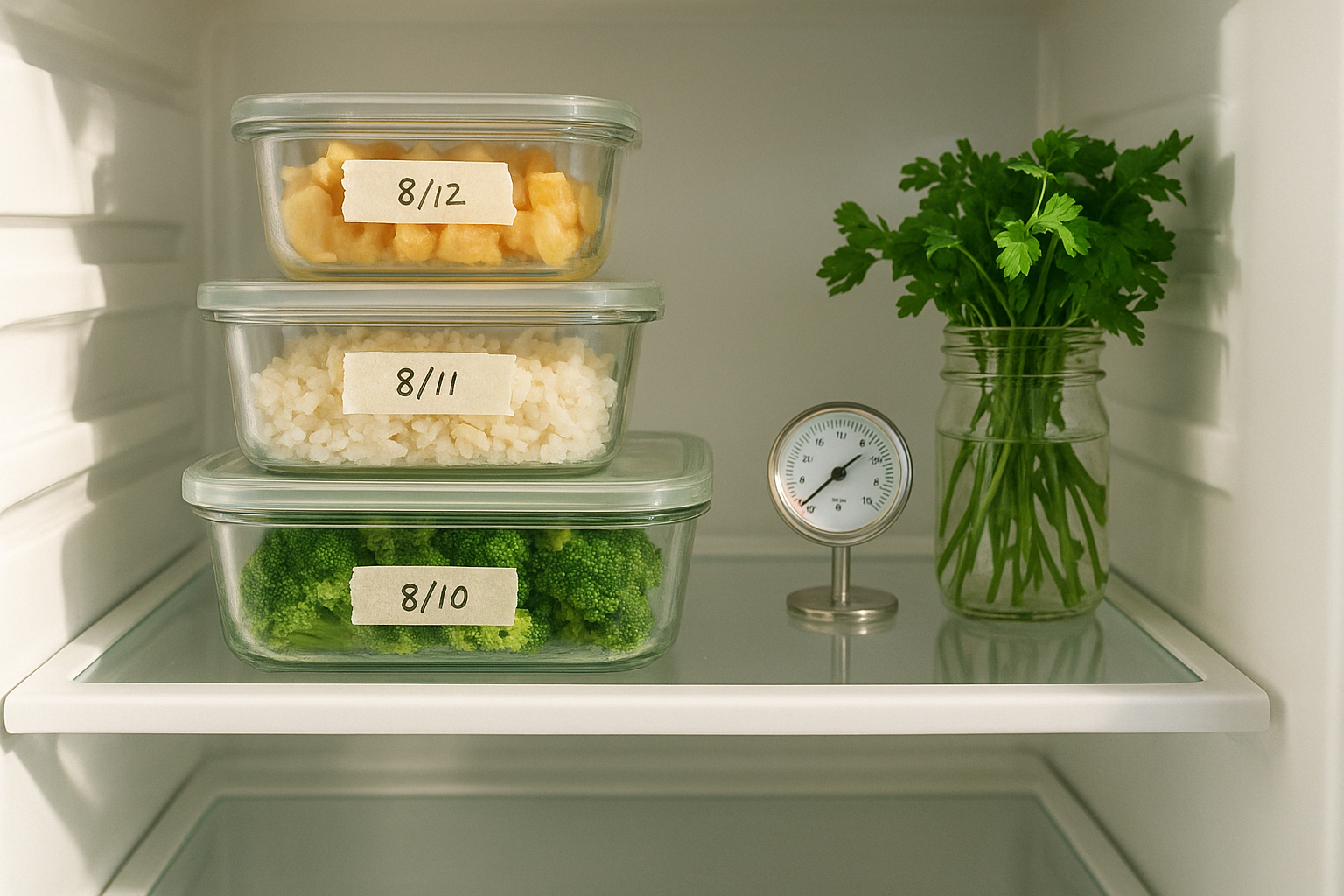
If you do not already have one, put an inexpensive appliance thermometer on a middle shelf. Built-in fridge displays can be helpful, but a separate thermometer tells you what is happening where the food actually sits. The FDA also recommends using refrigerator thermometers to make sure the fridge is holding 40°F or below. ([fda.gov](https://www.fda.gov/food/buy-store-serve-safe-food/refrigerator-thermometers-cold-facts-about-food-safety?utm_source=openai))
Cool leftovers the right way before storing
Hot food should not sit out for hours “cooling.” FoodSafety.gov notes that the temperature danger zone is between 40°F and 140°F, where germs can grow rapidly, and perishable food should be refrigerated promptly. ([foodsafety.gov](https://www.foodsafety.gov/keep-food-safe/4-steps-to-food-safety?utm_source=openai))
For home kitchens, the easiest method is to move leftovers into shallow containers. A giant pot of soup or a deep casserole dish cools slowly in the center, even if the outside feels cool. Divide big batches into smaller containers before refrigerating.
Use this cooling routine
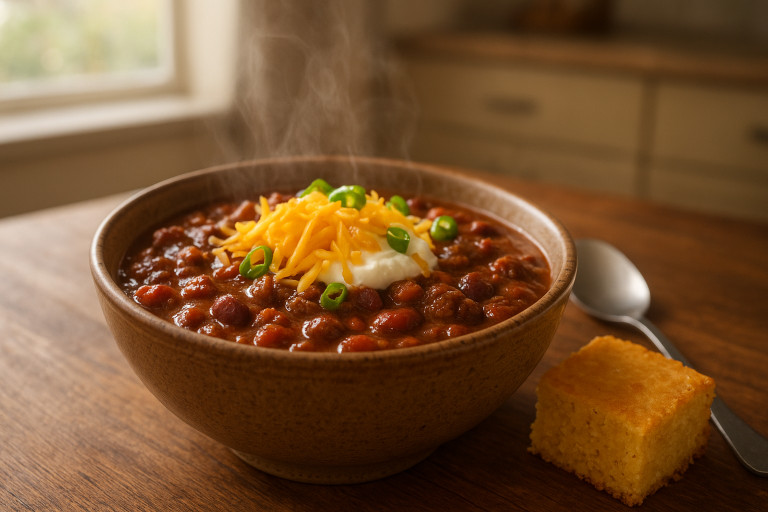
- Portion big batches. Put chili, soup, pasta, rice, or casseroles into shallow containers, ideally no more than a few inches deep.
- Leave a little space. Do not pack containers to the brim; a bit of headspace helps prevent spills and makes freezing easier.
- Vent briefly, then close. Let steam escape for a short time, then cover and refrigerate. Do not leave food sitting out longer than food safety guidance allows.
- Chill faster when needed. For a large pot of soup, set the pot in an ice bath and stir before portioning.
Create one “eat first” leftover zone
The best way to organize leftovers in the fridge is to give them one clear home. Pick a shelf at eye level if possible. If leftovers are scattered across three shelves, they are much easier to forget.
Use a shallow bin, tray, or half-sheet pan as your Eat First zone. Anything cooked and ready to eat goes there: roasted vegetables, cooked chicken, rice, pasta, soup, takeout, opened broth, or half a casserole. When the bin gets full, that is your signal to plan a leftover meal before cooking more.
A tray works especially well because you can pull it forward and see everything at once. It also catches drips, which keeps the shelf cleaner.
Label every container with two details
You do not need fancy labels. Painter’s tape, freezer tape, masking tape, or a reusable dry-erase label will do. The label should answer two questions:
- What is it? “Turkey chili,” “rice,” “roasted carrots,” or “Monday pasta.”
- When was it made? Use the date cooked or the date opened.
Dates matter because sniffing is not a reliable safety system. Some spoiled food smells obvious, but harmful bacteria are not always detectable by smell, taste, or appearance. A clear date helps you follow the 3-to-4-day leftover window recommended by USDA guidance. ([ask.fsis.usda.gov](https://ask.fsis.usda.gov/article/How-long-can-you-keep-leftovers-in-the-refrigerator?utm_source=openai))
A simple label shortcut
If you do not want to write full dates, use day names: “Mon chili” or “Thu rice.” On Sunday night, anything labeled Wednesday or earlier should be eaten, frozen, or tossed depending on what it is and how it has been stored.
Use clear, stackable containers
Opaque containers hide food. Clear containers let you scan the shelf quickly and build meals from what you already have. Square or rectangular containers also use fridge space better than round bowls.
You do not have to replace everything at once. Start with two or three sizes you use most often:
- 1-cup containers for sauces, chopped toppings, small vegetable portions, and single servings.
- 2- to 3-cup containers for lunch portions, grains, beans, and cooked vegetables.
- 4- to 8-cup containers for soups, casseroles, stews, and family-size leftovers.
If you use glass containers, let very hot food cool a bit before sealing and avoid extreme temperature changes that could crack glass. If you use plastic, choose food-storage containers in good condition and avoid microwaving in damaged, stained, or warped plastic.
Store foods by how you will use them
A good leftover system makes the next meal easier. Group foods that become meals together:
- Lunch containers: fully portioned meals ready to grab.
- Meal builders: plain rice, roasted vegetables, cooked beans, grilled chicken, sauces, and greens.
- Finish-first foods: small amounts of dip, chopped herbs, cut fruit, and opened jars.
For example, if you have leftover rice, chicken, and roasted broccoli, put them close together in the Eat First zone. Tomorrow’s fried rice, grain bowl, or quick soup is already halfway done.
Know what to freeze before day four
If you know you will not eat something within a few days, freeze it early rather than waiting until it is already questionable. USDA guidance says leftovers may be frozen for longer storage, with best quality often within a few months depending on the food. ([fsis.usda.gov](https://www.fsis.usda.gov/food-safety/safe-food-handling-and-preparation/food-safety-basics/leftovers-and-food-safety?utm_source=openai))
Good candidates for freezing include soups, stews, chili, cooked shredded meat, meatballs, cooked beans, casseroles, cooked grains, and tomato-based sauces. Foods that may change texture include creamy sauces, potatoes, crisp vegetables, and pasta already mixed with sauce, though they can still be useful in soups or bakes.
Freeze leftovers in usable portions
Freeze in the amount you are likely to thaw: single lunches, two-serving dinners, or one-cup add-ins. Label each freezer container with the food name and date. A flat freezer bag of chili or soup takes up less space and thaws faster than a frozen brick in a deep container.
Do a 10-minute leftover reset twice a week
Pick two regular times—maybe Wednesday evening and Sunday afternoon—to check the leftover zone. This short reset prevents the dreaded back-of-fridge discovery.
- Pull out the Eat First bin or tray.
- Check dates on every container.
- Move the oldest safe foods to the front.
- Freeze anything you will not use in time.
- Throw away food that is past its safe window or looks spoiled.
- Wipe the tray before putting it back.
This habit also makes grocery shopping easier. If you find cooked rice, half a rotisserie chicken, and a container of roasted vegetables, you may only need tortillas, eggs, or greens to turn them into another meal.
Keep a small “use it up” list
A paper note on the fridge can save real money. Write down the three or four leftovers that need attention first: “rice,” “chili,” “cut melon,” “chicken.” When you are hungry, you will not have to dig around and make decisions from scratch.
You can also write quick meal ideas beside them: chili nachos, chicken wraps, rice bowls, soup add-in, omelet filling. The easier you make the next step, the more likely the food gets eaten.
Leftover organization mistakes to avoid
- Keeping food in deep pots. It takes up space and cools too slowly.
- Skipping labels. You will not remember every date by Thursday.
- Using too many random containers. Mismatched bowls and lids make leftovers harder to stack and see.
- Saving tiny amounts with no plan. Either combine them into a meal, freeze them, or let them go.
- Letting leftovers live all over the fridge. One zone works better than a scavenger hunt.
A simple fridge layout that works
If your refrigerator allows it, try this arrangement: ready-to-eat leftovers on an eye-level shelf, raw meat or seafood sealed on the lowest shelf, dairy and eggs in the colder main compartment rather than the door, condiments in the door, and produce in drawers. The exact setup depends on your fridge, but the principle is the same: keep cooked leftovers visible and protected from drips.
Organizing leftovers is less about perfection and more about making safe food easy to use. With a thermometer, clear labels, shallow containers, and one Eat First zone, your fridge becomes a tool for easier meals instead of a place where good food goes to disappear.