How to Plant Kale in Late Summer for a Fall Harvest
If your summer garden is starting to look tired, kale is one of the easiest ways to keep fresh food coming into fall. Plant it in late summer, give it steady moisture, and the plants will settle in while the soil is warm, then sweeten as cooler weather arrives.
This guide walks through how to plant kale in late summer, including timing, spacing, watering, heat protection, and harvesting so you can get tender leaves instead of stressed, bitter plants.
Why Late Summer Is a Good Time to Plant Kale
Kale is a cool-season crop, which means it grows best in spring and fall rather than in the hottest part of summer. Extension growing guides note that kale can be direct-seeded in late summer for a fall crop, and light frost often improves the flavor of the leaves. ([extension.oregonstate.edu](https://extension.oregonstate.edu/imported-publication/kale?utm_source=openai))
The trick is getting the plants started while the weather is still warm enough for good germination, but early enough that they can size up before short, cold days slow growth. That is why late summer planting is usually less about a calendar date and more about counting backward from your average first fall frost.
When to Plant Kale in Late Summer
For a fall crop, start by finding your average first frost date. Then check the seed packet for days to maturity. University of Vermont Extension recommends adding about 14 extra days to the listed maturity time for fall plantings, then counting back from your first frost date. This extra time helps account for shorter days and slower growth later in the season. ([uvm.edu](https://www.uvm.edu/extension/news/kale-autumn-harvest?utm_source=openai))
As a simple rule, many gardeners can plant kale about 6 to 8 weeks before the first fall frost. Montana State University Extension gives that same general window for a late-season crop. ([montana.edu](https://www.montana.edu/extension/nutrition/nutrition-cooking-culture/food-fact-sheets/kale.html?utm_source=openai))
- Cold northern gardens: Often sow in mid to late July.
- Moderate zones: Late July through August is often workable.
- Mild winter areas: You may be able to plant into September or beyond, depending on your local climate.
If you are late, choose a fast-maturing variety and plan to harvest baby leaves instead of waiting for full-size bunches.
Best Kale Varieties for Fall Planting
Most kale types can work for fall, but quick, cold-tolerant varieties are especially useful when planting late. Look for varieties listed around 40 to 60 days to maturity if your frost date is coming soon.
- Red Russian: Tender, flat leaves and often quicker than heavily curled types. Arkansas Extension lists Red Russian at about 40 days to maturity. ([uaex.uada.edu](https://www.uaex.uada.edu/publications/PDF/FSA-6069.pdf?utm_source=openai))
- Vates or Dwarf Blue Curled: Compact, reliable, and good for smaller beds.
- Winterbor: Curly, productive, and known for good cold tolerance.
- Lacinato: Also called dinosaur kale, with long, dark leaves. It is excellent in soups and sautés, though it may need a little more time than baby-leaf types.
Choose and Prepare the Planting Spot
Pick a spot with at least 6 hours of sun once fall arrives. In late summer, a little afternoon shade can actually help young seedlings through hot days, especially in warmer climates.
Before planting, clear out old crop debris and weeds. Loosen the top 6 to 8 inches of soil and mix in compost. NC State Extension recommends adding a 1- to 2-inch layer of compost before planting, along with any amendments suggested by a soil test. ([content.ces.ncsu.edu](https://content.ces.ncsu.edu/kale?utm_source=openai))
Kale likes fertile, well-drained soil that stays evenly moist. If your soil is sandy, compost helps it hold water. If your soil is heavy clay, compost improves texture and drainage.
How to Sow Kale Seeds
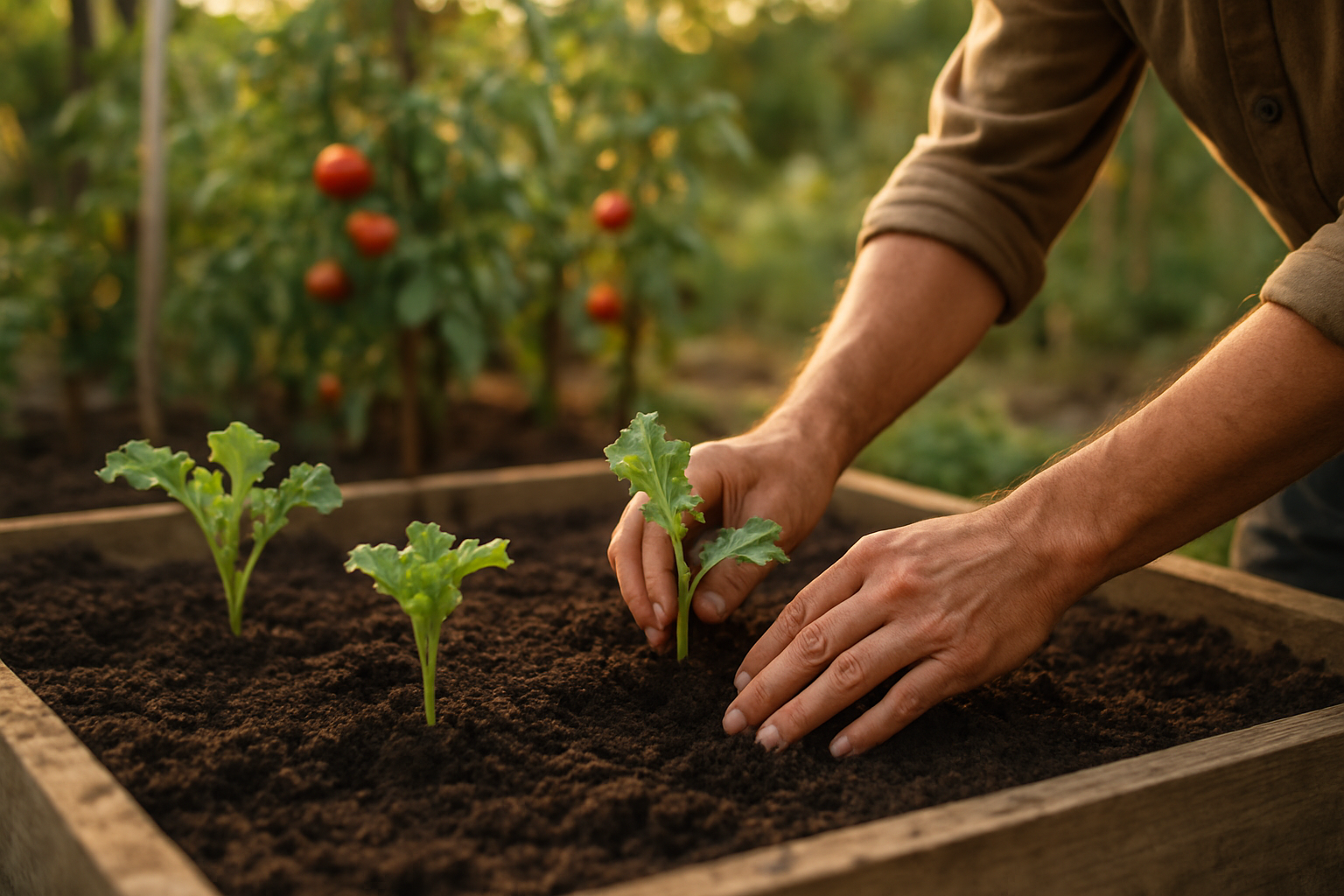
You can direct-sow kale, start it in trays, or transplant purchased seedlings. Direct sowing is simple, but late-summer heat can dry the seedbed quickly, so you will need to pay close attention to watering.
- Water the bed first. Moisten the soil before planting so seeds are not sitting in a dry crust.
- Sow shallowly. Plant kale seeds about 1/4 to 1/2 inch deep. Montana State University’s kale fact sheet gives this depth range, with roughly 8-inch spacing between plants and 18-inch row spacing. ([mtharvestofthemonth.org](https://mtharvestofthemonth.org/wp-content/uploads/2024/12/MSUKaleFFS.pdf?utm_source=openai))
- Cover lightly. Use fine soil or compost, then gently firm it with your hand.
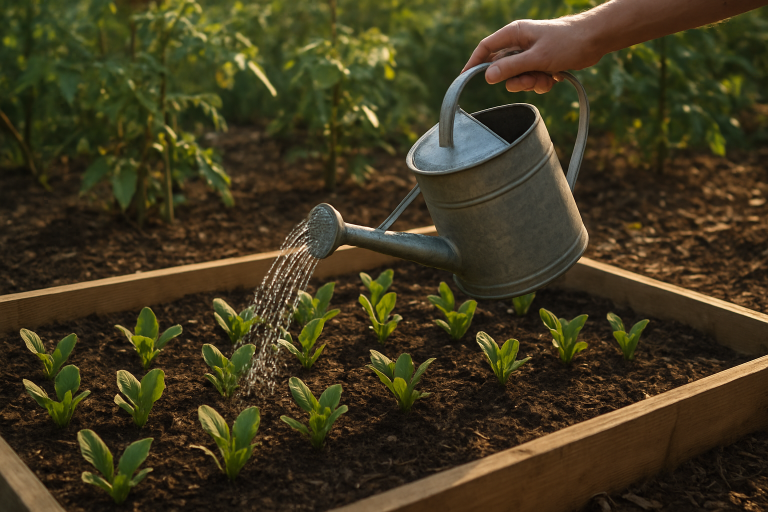
- Keep the top inch moist. Until seedlings are established, the top layer should not dry out. University of New Hampshire Extension notes that late-summer seedbeds may need watering multiple times a day to keep the top inch evenly moist during germination. ([extension.unh.edu](https://extension.unh.edu/blog/2020/08/fall-vegetable-gardening?utm_source=openai))
- Thin seedlings. Once plants are a few inches tall, thin them so each plant has room to grow.
Spacing for Baby Kale vs. Full-Size Plants
Spacing depends on how you plan to harvest. If you want baby leaves for salads, you can sow more thickly and harvest young. For full-size plants, give them more room.
- Baby kale: Sow in bands or rows and thin lightly as needed.
- Regular harvest plants: Thin to about 8 to 12 inches apart. Mississippi State University Extension recommends thinning kale plants to stand 8 to 12 inches apart. ([extension.msstate.edu](https://extension.msstate.edu/lawn-and-garden/vegetable-gardens/kale?utm_source=openai))
- Large, long-season plants: Give 12 to 18 inches if you want big plants that produce for weeks.
Do not skip thinning. Crowded kale may still grow, but the plants compete for water and nutrients, which can mean smaller leaves and more pest problems.
How to Help Kale Through Late-Summer Heat
The hardest part of planting kale in late summer is not the fall weather. It is the hot, dry start. Young kale seedlings can wilt quickly if the soil dries out or if the sun is intense right after germination.
- Use light mulch once seedlings are a few inches tall to keep soil cooler and reduce moisture loss.
- Water deeply instead of giving only quick surface sprinkles after plants are established.
- Try temporary shade during hot afternoons. A piece of shade cloth, an old window screen, or a lightweight row cover held above the plants can help.
- Plant near taller summer crops where kale gets morning sun and some afternoon relief.
If seedlings stretch and flop, they may be reaching for light. If they wilt every afternoon but recover at night, they are heat-stressed and need steadier moisture or temporary shade.
Protect Kale from Common Fall Pests
Kale is in the cabbage family, so cabbage worms, flea beetles, aphids, and harlequin bugs may show up. The easiest prevention is to cover the crop right after planting.
Use insect netting or lightweight row cover over hoops, leaving enough room for the leaves to grow. Since kale is grown for leaves, it does not need pollinators to reach the crop. Seal the edges with soil, boards, stones, or garden staples so moths cannot slip underneath and lay eggs.
If you do find caterpillars, check the undersides of leaves and handpick them. For aphids, a firm spray of water often knocks down small outbreaks. Remove badly infested leaves rather than letting pests spread through the whole planting.
When and How to Harvest Fall Kale
You can start harvesting when leaves are large enough to use. For a longer harvest, pick the lower outer leaves first and let the center keep growing. Mississippi State University Extension recommends harvesting lower leaves or cutting the entire plant, depending on your needs. ([extension.msstate.edu](https://extension.msstate.edu/lawn-and-garden/vegetable-gardens/kale?utm_source=openai))
- For salads: Pick small, tender leaves.
- For soups and sautés: Let leaves get larger, then remove the tough ribs if needed.
- For cut-and-come-again: Always leave several healthy center leaves so the plant can regrow.
For the best texture, harvest in the morning when leaves are crisp. Oregon State University Extension notes that kale has its best flavor when harvested early in the morning or after a frost. ([extension.oregonstate.edu](https://extension.oregonstate.edu/imported-publication/kale?utm_source=openai))
Quick Troubleshooting
Seeds are not sprouting
The soil may be drying out between waterings, or the seedbed may be too hot. Keep the top inch evenly moist and consider shade until seedlings emerge.
Leaves taste bitter
Heat stress, drought, and older leaves can all make kale stronger tasting. Keep plants evenly watered and harvest younger leaves. Flavor usually improves as weather cools.
Plants are full of holes
Look for green caterpillars, flea beetles, or slugs. Row cover works best before pests arrive, but you can still handpick caterpillars and remove damaged leaves.
Kale is growing slowly
Shorter days and cool soil slow growth in fall. If plants are small going into cold weather, harvest baby leaves or protect them with row cover to stretch the season.
Late-Summer Kale Planting Checklist
- Count backward from your average first frost date.
- Choose a quick-maturing variety if planting late.
- Prepare soil with compost before sowing.
- Plant seeds 1/4 to 1/2 inch deep.
- Keep the seedbed evenly moist until seedlings are established.
- Thin plants to 8 to 12 inches apart for full-size kale.
- Use row cover or insect netting to prevent pest damage.
- Harvest outer leaves first so plants keep producing.
Late-summer kale is a low-fuss way to turn an empty garden space into a steady fall harvest. Start it on time, baby it through the hot first weeks, and you will have crisp, useful greens for salads, soups, skillets, and side dishes well after many summer crops are done.