Why Basil Bolts and How to Keep It Leafy Longer
Basil is one of those garden herbs that seems to go from perfect to problematic almost overnight. One week you’re snipping tender leaves for pesto, and the next your plant is sending up flower spikes and slowing down on leaf growth. That shift is called bolting, and understanding it can help you keep basil productive for much longer.
The good news is that bolting basil is common, predictable, and often preventable. With a few simple habits, you can extend the harvest window, protect flavor, and know exactly what to do when your plant starts to flower.
What does it mean when basil bolts?
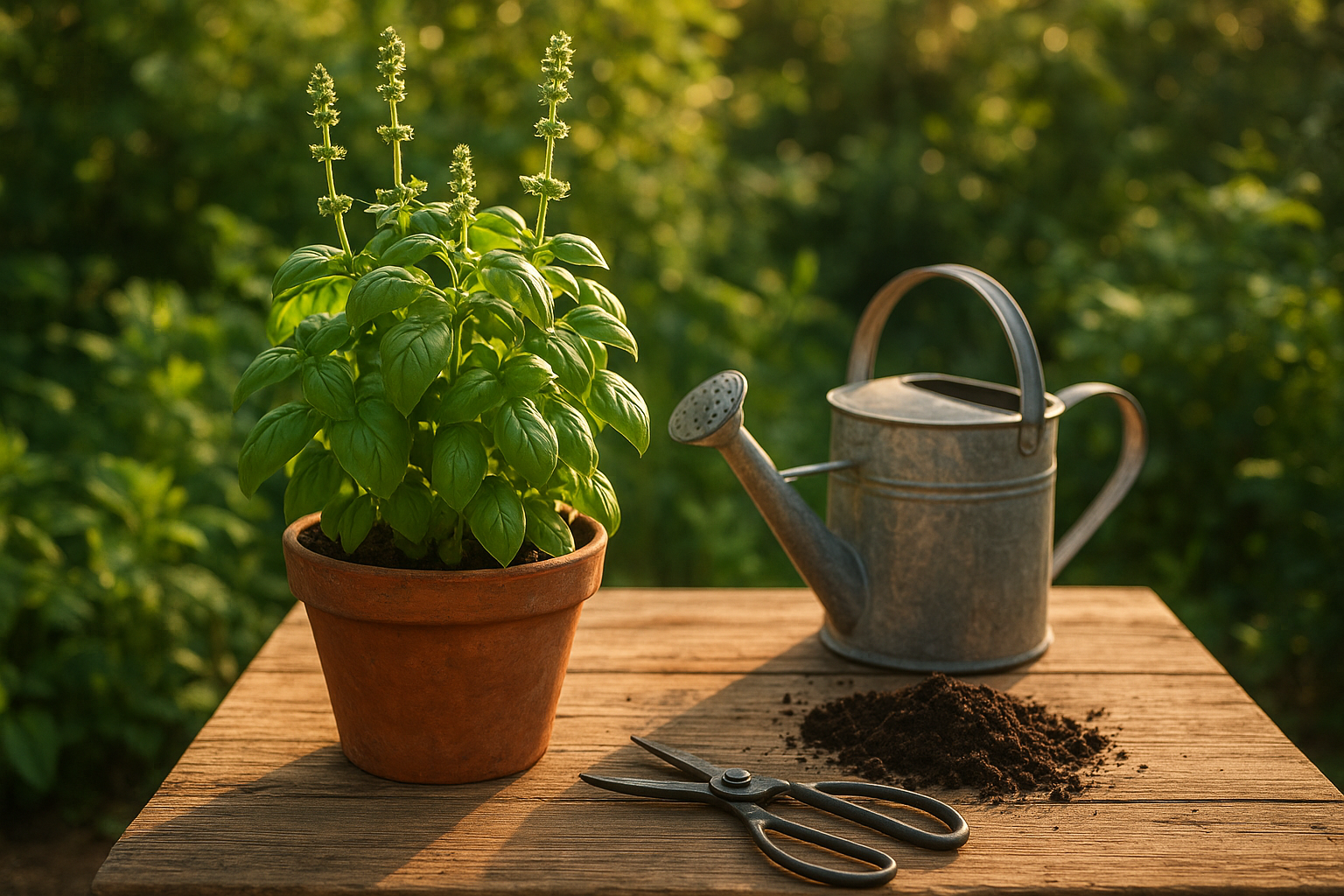
Bolting is when a plant switches from growing leaves to producing flowers and seeds. For basil, that usually means tall stems, small flowers, and a noticeable drop in leaf quality. The plant is doing what nature intended: reproducing before the season ends.
For gardeners and cooks, though, bolting changes the herb’s texture and flavor. Leaves often become smaller, tougher, and more bitter. If you’ve ever tasted basil that seemed less sweet and more sharp than usual, bolting may be the reason.
Why basil bolts
Several environmental cues can push basil toward flowering. Some are completely seasonal, while others are stress-related and can be managed.
- Heat: Basil loves warmth, but extreme heat can speed up flowering.
- Long days: As daylight increases in late spring and summer, basil naturally prepares to set seed.
- Water stress: Letting basil dry out repeatedly can encourage early flowering.
- Neglected harvesting: If you don’t keep trimming the plant, it matures faster and sends up blooms sooner.
- Poor growing conditions: Thin soil, crowded roots, or insufficient nutrients can stress the plant and trigger bolting.
Some basil varieties are also more bolt-prone than others. If your climate is hot and summer is long, the plant may flower earlier even with good care.
How to spot basil that is starting to bolt
You do not have to wait for full flowers to appear before acting. Early signs are easy to miss unless you check your plants regularly.
- A tall central stem begins to rise above the rest of the plant.
- Leaf growth slows and the lower leaves may look sparse.
- Small bud clusters form at the tips of stems.
- Leaves feel tougher or taste less sweet than before.
If you catch basil at this stage, you can usually delay full flowering by pruning it promptly.
How to prevent bolting basil
You cannot stop basil from flowering forever, but you can slow it down and keep it in its leafy phase for as long as possible.
1. Harvest often and cut correctly
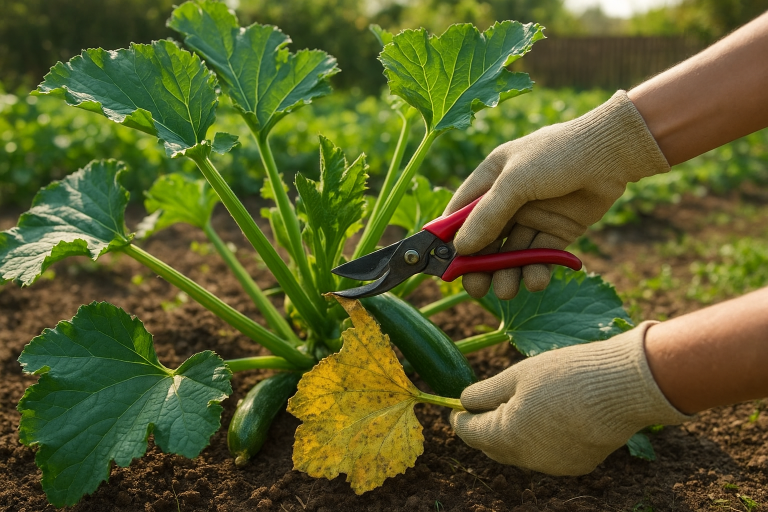
The most effective way to delay bolting is to harvest basil regularly. Don’t just pick a few leaves here and there from the bottom. Instead, cut stems back above a leaf pair so the plant branches and produces more growth.
When a stem has six or more leaf sets, snip it just above a node. That encourages two new side shoots to form, creating a bushier plant with more usable leaves.
2. Remove flower buds early
If you spot tiny buds, pinch them off immediately. Do this as soon as you see the flower spike forming, not after the blooms open. Once a basil plant invests energy in flowering, leaf production starts to decline.
Make this part of your routine every time you water or harvest. A quick check can add weeks to your harvest.
3. Keep the plant evenly watered
Basil performs best with consistent moisture. Letting the soil swing between bone-dry and soaking wet can stress the plant. Water deeply when the top inch of soil feels dry, and make sure container basil drains well.
Mulching around garden-planted basil can help keep the root zone cooler and reduce moisture loss during hot spells.
4. Provide morning sun and some afternoon relief
Basil needs plenty of light, but in very hot climates, all-day harsh sun can push it toward bolting. If possible, grow it where it gets morning sun and some light shade in the afternoon.
Container gardeners have an advantage here: pots can be moved to a gentler spot when temperatures rise.
5. Feed lightly, not heavily
Basil doesn’t need constant fertilizer, and too much nitrogen can create soft, fast growth that is easier to stress. A balanced, gentle feeding every few weeks is usually enough, especially in containers where nutrients wash out faster.
What to do if your basil has already bolted
Once basil is in full bloom, the flavor will usually change. That doesn’t mean the plant is useless, though. You still have options.
- Prune back hard: Remove flowering stems down to a healthy set of leaves. This may encourage fresh growth if the plant still has energy.
- Use the remaining leaves quickly: Older leaves may be better in cooked dishes than raw salads because heat softens the sharper flavor.
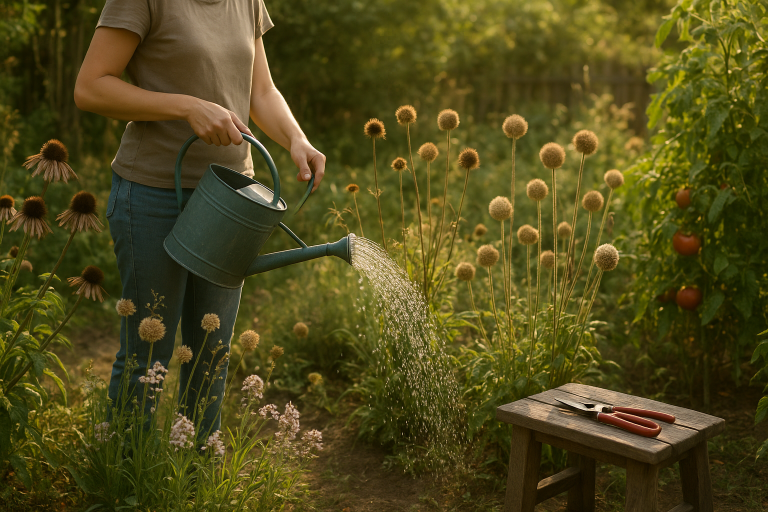
- Let one plant flower for pollinators: Basil flowers are attractive to bees and other beneficial insects.
- Save seed if it’s an open-pollinated variety: Allow seed heads to dry on the plant, then collect them for next season.
If the plant has become woody and production is poor, it may be time to replace it. Basil is usually treated as a seasonal crop anyway, so replanting is part of normal garden upkeep.
Best ways to use bolted basil
Leaves from a flowering plant are not ideal for fresh pesto straight from the garden, but they still have plenty of culinary use. A stronger flavor can actually work well in recipes with heat and acid.
- Sauces and soups: Simmer the leaves with tomatoes, garlic, and olive oil.
- Compound butter: Chop the leaves finely and mix into softened butter for grilled vegetables or bread.
- Herb vinegar: Infuse leaves in white wine vinegar for a bright finishing condiment.
- Pizza and pasta toppings: Add the leaves near the end of cooking to preserve some aroma.
- Flower garnish: Basil blossoms are edible and can add a mild herbal note to salads and platters.
If the flavor has turned too strong or bitter for your taste, compost the stems and start fresh with a new plant.
How to keep a steady basil harvest all season
The easiest way to avoid a total harvest crash is to treat basil as a succession crop. Plant a few seedlings or sow seeds every couple of weeks so you always have younger plants coming up behind the older ones.
That approach is especially helpful in summer, when heat can accelerate bolting basil almost no matter what you do. With staggered plantings, you won’t lose your entire herb supply at once.
Simple basil care checklist
- Plant basil in rich, well-draining soil.
- Water consistently and avoid drought stress.
- Harvest stems regularly, not just random leaves.
- Pinch off buds as soon as they appear.
- Give the plant room to branch and grow bushy.
- Start new plants before older ones fade.
The takeaway
Bolting is a natural part of basil’s life cycle, but it does not have to catch you off guard. With regular pruning, consistent watering, and a close eye on flower buds, you can keep your basil leafy, flavorful, and productive longer.
And when flowering does begin, you’ll know exactly how to respond: harvest what’s left, prune if it’s worth saving, and put the rest to use in the kitchen or garden. That way, even a bolting basil plant still earns its place.