How to Use a Zip-Up Frost Jacket to Protect Plants
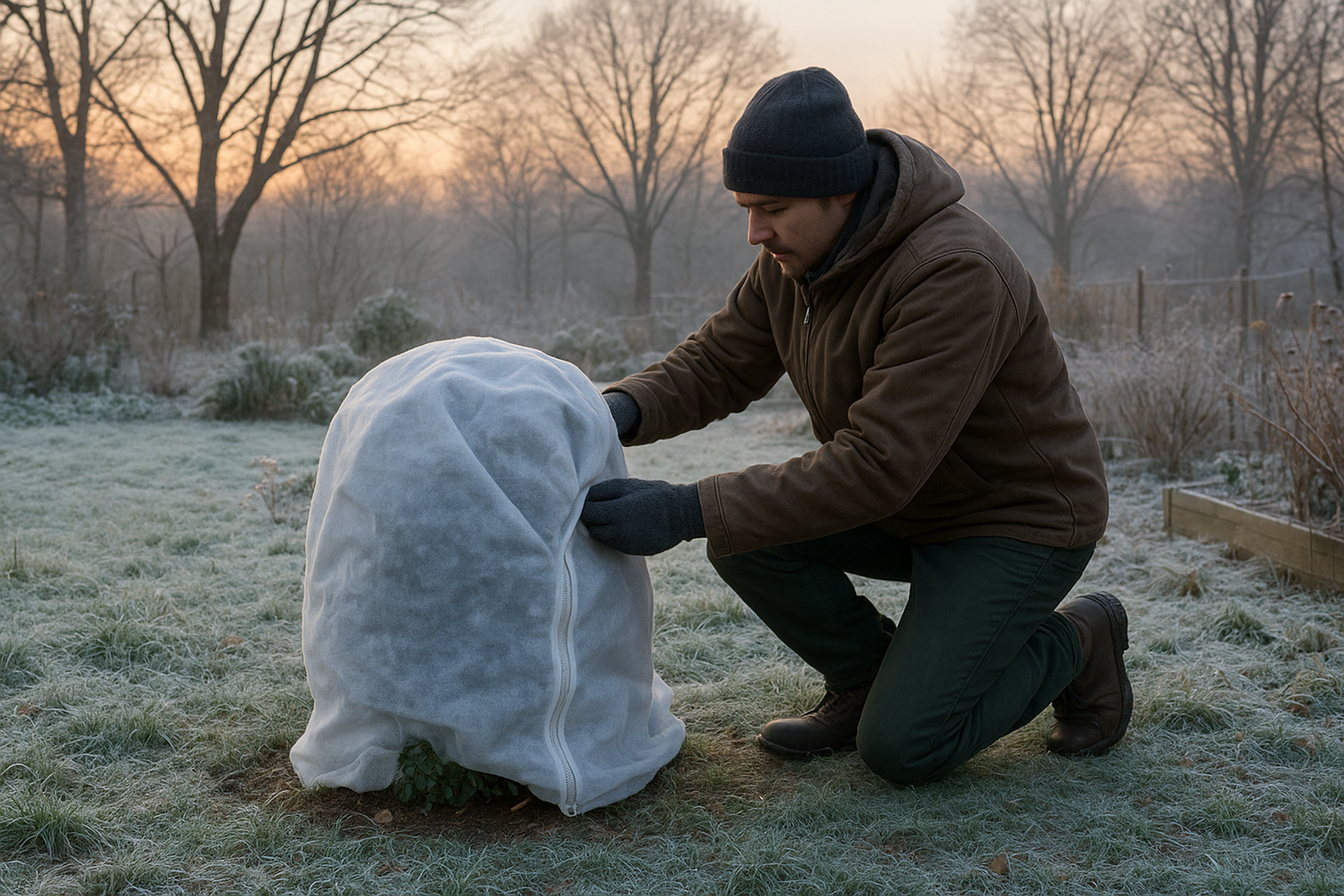
When the first hard frost is in the forecast, a zip-up frost jacket can make winter garden protection much easier. Instead of wrestling with loose sheets or improvised covers, you can quickly wrap a tender plant, secure it, and give it a more reliable layer of insulation.
These covers are especially useful for plants that dislike cold wind, freezing nights, or sudden temperature swings. The trick is choosing the right jacket for the plant and using it correctly so you protect growth without creating damp, damaged, or overheated conditions.
What a zip-up frost jacket actually does
A zip-up frost jacket is a reusable plant cover made from insulating fabric, usually fleece or a similar breathable material. It traps a pocket of slightly warmer air around the plant, helping reduce frost damage, wind stress, and winter burn.
It is not the same as a heavy tarp or plastic wrap. A good frost jacket should protect without sealing the plant in moisture. Breathability matters because wet foliage trapped under a non-breathable cover can lead to rot, mildew, or leaf drop.
Best plants to protect with one
Not every plant needs winter cover, but a frost jacket is a smart option for anything borderline hardy in your climate. It is especially helpful for:
- Tender shrubs such as young camellias or other shrubs setting buds before winter is fully over
- Exotic or marginal plants like bananas, tree ferns, and some palms
- Citrus in cool zones that may suffer leaf drop or fruit damage during cold snaps
- Young fruit trees with thin bark that can split in freezing weather
- Evergreens that dry out in cold wind or winter sun
For most plants, the jacket is best used as a shield during short freezes, especially when temperatures dip below the plant’s comfort range but the weather is not severe enough to justify a more permanent shelter.
How to choose the right frost jacket
The most important detail on the label is the fabric weight, usually listed as grams per square meter (gsm). The higher the number, the more insulation the cover provides, but the less sunlight reaches the plant.
Common weight ranges
- 17gsm: Very lightweight and best for short-term frost protection on vegetables or seedlings rather than long winter use
- 30-35gsm: Medium-weight, good for moderate frost protection while still allowing a fair amount of light through
- 50-60gsm: Heavy-weight, better for colder conditions and more prolonged protection
- 70gsm and above: Very insulating, useful for harsher weather, but may block too much light for plants that need winter sun
If your winters are sunny but cold, balance insulation with light transmission. A jacket that is too heavy for a plant’s needs can leave it dim, damp, and stressed. If your region gets repeated hard frosts, choose a sturdier option and check that it has a secure closure and enough room to fit over the full plant.
How to use it properly
Using a frost jacket is simple, but a few details make a big difference in how well it works.
- Water the plant earlier in the day if the soil is dry. Moist soil holds heat better than dusty, dry ground.
- Wait until late afternoon or evening to cover the plant, once temperatures begin to fall.
- Wrap the jacket loosely so the foliage is protected without being crushed.
- Fasten the base securely to keep cold air from pouring in at ground level.
- Use the zipper or opening for airflow on mild days so the plant does not overheat.
If the plant is tall, stake the cover if needed so the material does not rub against leaves or buds in the wind. For container plants, make sure the pot itself is protected too, since roots in pots chill faster than roots in the ground.
Tips for getting better results
There are a few small habits that can make a big difference in winter survival:
- Use mulch around the root zone to add another layer of insulation
- Keep the cover off wet foliage whenever possible, since trapped moisture can cause problems
- Remove or vent the jacket during warm spells to avoid heat buildup and condensation
- Check after wind or snow to make sure the cover has not shifted or collapsed
- Inspect for pests when you uncover the plant, since sheltered spots can sometimes attract insects or rodents
A jacket works best as part of a larger winter plan. Think of it as one layer in a system that can include mulch, windbreaks, and sensible pruning.
Common mistakes to avoid
One of the biggest errors is leaving the cover on continuously without checking weather conditions. Even a protective fabric can become a problem if it stays damp or traps too much heat on mild days.
Another mistake is assuming all frost jackets are interchangeable. A light cover for seedlings will not give enough protection to a citrus tree in a hard freeze. On the other hand, an ultra-heavy cover may be overkill for a plant that only needs a few degrees of protection.
Also avoid tying the jacket so tightly that it compresses the plant. Plants need a little air space inside the cover, and rubbing against the fabric can damage tender leaves and buds.
When a frost jacket is not enough
For severe cold, a frost jacket may only be one part of the solution. If temperatures are expected to stay well below freezing for several hours, consider moving potted plants into a garage, porch, or shed. You can also combine a jacket with fleece, cloches, or temporary windbreaks for extra protection.
Large shrubs and trees may need a more substantial strategy if they are very marginal for your climate. In that case, a jacket helps reduce damage, but it will not fully replace the need to choose appropriately hardy plants for your zone.
How to care for and store it
After the cold season ends, shake out the cover and let it dry fully before storing it. If it is muddy or dusty, check the care label; many can be gently hand washed and air dried. Store it somewhere dry and rodent-free so it is ready for next year.
Before putting it away, inspect seams, zippers, and drawstrings. A small repair now is easier than discovering a split cover during the first frost of the season.
Quick checklist before a cold night
- Choose a jacket with the right gsm for your plant and climate
- Cover plants in the late afternoon or evening
- Make sure the base is secured against wind
- Leave room for airflow, but block drafts
- Remove or vent the jacket on mild sunny days
Used well, a zip-up frost jacket takes a lot of stress out of winter gardening. It gives tender plants a better chance through the cold months, and it makes last-minute frost protection much easier when the weather turns unexpectedly.