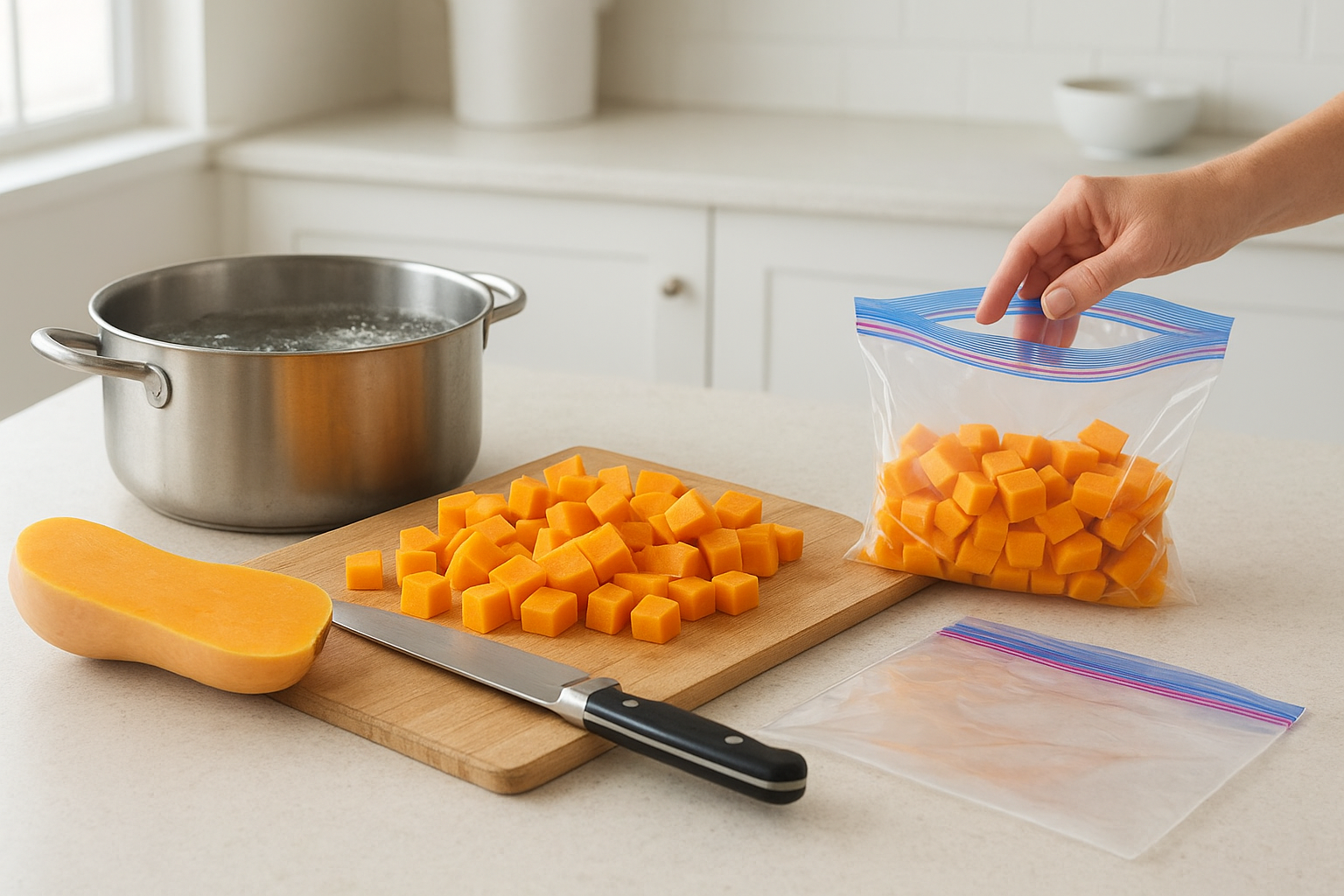
How to Freeze Butternut Squash for Later Use
Butternut squash is one of those ingredients that feels especially useful when the weather turns cool. It’s sweet, versatile, and perfect for soups, casseroles, roasted side dishes, and purees. If you’ve bought more than you can use right away, freezing it is an easy way to reduce waste and keep it ready for future meals.
The key to good results is freezing it in a form that fits how you actually cook. You can freeze butternut squash as cubes, mashed puree, or after roasting, and each method has its strengths. The guide below walks through the simplest, most reliable approach so your squash tastes great later.
Why freeze butternut squash?
Fresh butternut squash stores well for a while on the counter or in a cool pantry, but once it’s cut, it needs to be used quickly. Freezing lets you preserve extra squash from a big grocery haul, an abundant garden harvest, or a sale at the market.
Frozen squash is especially handy for:
- weeknight soups and stews
- smooth purees for side dishes or baking
- quick roasted vegetable mixes
- baby food and homemade meals
- meal prep during busy seasons
Choose the best freezing method
There isn’t just one right answer. The best method depends on what you plan to make later.
For most uses: freeze cubes
Cubed squash is the most flexible option. It works well for soups, curries, mash, and oven dishes. Because butternut squash is dense and low in moisture compared with some vegetables, it freezes nicely when prepared properly.
For smooth recipes: freeze puree
If you know you’ll want soup, baby food, or baked goods, freezing pureed squash saves time later. This is a smart choice if you like to cook in batches.
For roasted flavor: freeze after cooking
Roasting brings out caramelized flavor, and freezing the cooked squash can be convenient if you want a ready-to-heat side dish. The texture will be softer after thawing, so this method is best for recipes where tenderness is welcome.
How to freeze butternut squash cubes
This is the best all-purpose method, and it’s straightforward if you take it step by step.
- Wash and peel the squash. Rinse the outside well, then cut off the ends and peel the skin with a sturdy vegetable peeler or a sharp knife.
- Cut it open and remove the seeds. Slice the squash lengthwise, scoop out the seeds and stringy center, and save the seeds if you want to roast them.
- Dice into evenly sized cubes. Aim for pieces about 1-inch thick so they blanch evenly and are easy to portion later.
- Blanch the cubes. Bring a pot of water to a boil. Add the squash cubes and blanch for about 2 to 3 minutes. This helps preserve color, flavor, and texture during freezing.
- Cool quickly. Transfer the squash to a bowl of ice water or rinse under very cold water to stop the cooking process.
- Drain well and dry. Spread the cubes on a clean towel or paper towels and pat them dry. Extra moisture can create ice crystals and make the squash mushy.
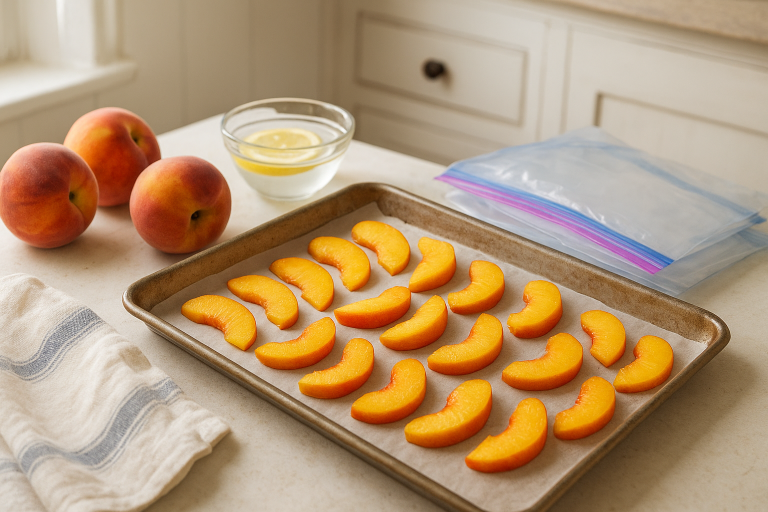
- Flash freeze. Place the cubes in a single layer on a baking sheet lined with parchment. Freeze until firm, usually a few hours.
- Pack for storage. Move the frozen cubes into freezer bags or airtight containers. Remove as much air as possible before sealing.
- Label and date. Write the contents and date on the bag so you can keep track of freshness.
How to freeze butternut squash puree
Puree is one of the most convenient freezer options, especially for soups and sauces.
- Cook the squash first. Steam, roast, or boil the squash until very tender.
- Mash or blend until smooth. Use a potato masher, food processor, or blender.
- Cool completely. Warm puree can create condensation and freezer burn inside containers.
- Portion it out. Spoon into freezer-safe containers, silicone muffin cups, or freezer bags laid flat.
- Seal and freeze. Leave a little headspace if using rigid containers, since puree expands slightly as it freezes.
For easiest use later, freeze puree in measured portions, such as 1-cup amounts. That way you can thaw only what you need for soup or baking.
Can you freeze raw butternut squash?
You can freeze raw squash, but blanching is the better choice for cubes. Freezing raw pieces often leads to a softer, more watery texture once thawed. If you’re planning to use the squash in soups or puree, that may be fine. For better flavor and quality, blanching is worth the few extra minutes.
If you want to save time, puree is another good option because the squash is already cooked before freezing.
How long does frozen butternut squash last?
For best quality, use frozen butternut squash within about 10 to 12 months. It will usually stay safe longer if kept consistently frozen, but the texture and flavor are best within that window.
Keep your freezer at 0°F or lower, and store squash in airtight packaging to prevent freezer burn.
How to use frozen butternut squash
Frozen squash can go straight into many recipes without thawing first, especially soups and stews. For roasting or sautéing, thawing may help reduce excess moisture. Here are a few easy ideas:
- add frozen cubes directly to soup broth
- stir thawed puree into pasta sauce
- blend puree into a creamy risotto
- mix mashed squash with butter and spices for a side dish
- use in muffins, quick breads, or pancakes
If the squash seems slightly soft after thawing, don’t worry. That’s normal. It may not be ideal for a crisp roasted dish, but it still works well in recipes where texture is less important.
Helpful freezing tips
- Use a sharp knife. Butternut squash can be tough to cut, so work carefully and stabilize the squash on a cutting board.
- Choose firm, unblemished squash. Fresh, mature squash freezes better than overly soft or damaged ones.
- Freeze in portions. Small packs are easier to use than one large container.
- Avoid excess air. Press out air from bags to help reduce freezer burn.
- Don’t skip cooling. Whether you blanch or cook it first, let squash cool before freezing.
Troubleshooting common problems
Mushy squash after thawing: This usually happens when the squash was overcooked before freezing or not dried well enough after blanching.
Ice crystals in the bag: Too much moisture or too much air in the packaging can cause this. Dry the squash thoroughly and use airtight storage.
Freezer burn: If the squash looks dry or discolored, the package may not have been sealed well. Use freezer bags designed for long-term storage and keep the contents tightly packed.
A simple freezer routine that saves time
If you often cook with squash, it can help to prep several at once. Set aside a batch of time, peel and cube multiple squash, blanch them all together, and freeze them in meal-sized portions. It takes a little effort up front, but it makes fall and winter cooking much easier later.
Once you know how to freeze butternut squash, you can turn a fresh harvest or a good sale into ready-to-use ingredients for months. With a little prep, your freezer becomes a practical backup for cozy meals, quick sides, and easy cooking any time you need it.