12 Vegetable Garden Clean-Up Tasks to Do Before Winter
When the growing season winds down, a thoughtful vegetable garden clean up can make a big difference next spring. A few simple chores now help prevent pests, reduce disease pressure, protect your soil, and save you time when planting season returns.
The goal is not to strip the garden bare for the sake of neatness. Instead, focus on removing problem material, preserving healthy soil structure, and leaving behind a garden that can rest safely through winter.
1. Harvest everything that is still usable
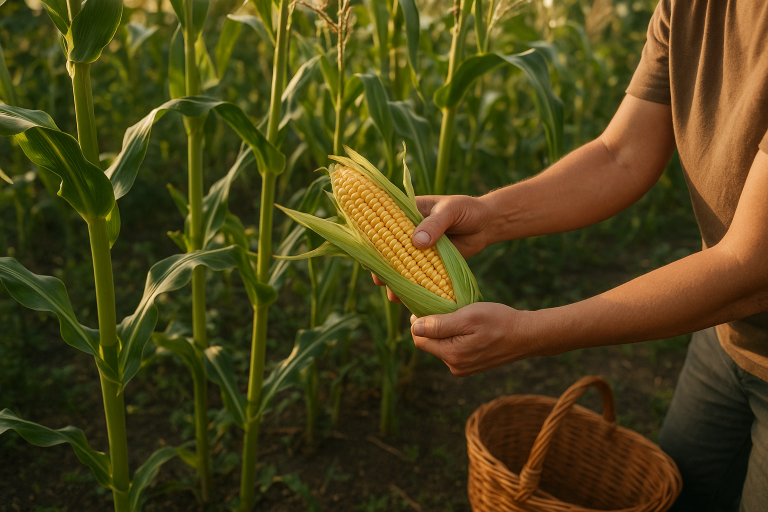
Start by picking the last of your peppers, tomatoes, beans, squash, herbs, and greens. Even small or slightly underripe crops can often be used indoors if frost is on the way.
Practical tip: Gather tomatoes that are blushing or full-sized and let them finish ripening on a counter. Root crops like carrots, beets, and parsnips can often stay in the ground a little longer if your soil does not freeze hard right away.
2. Remove diseased plants first
Any plant showing signs of blight, mildew, canker, rot, or virus should be handled carefully. Do not compost diseased material unless your compost pile reliably reaches high heat and you are confident it will fully break down pathogens.
Best practice: Bag heavily diseased plants and dispose of them according to local yard waste rules. Clean your hands and tools after handling them so problems are not spread around the garden.
3. Pull annual crops that are finished
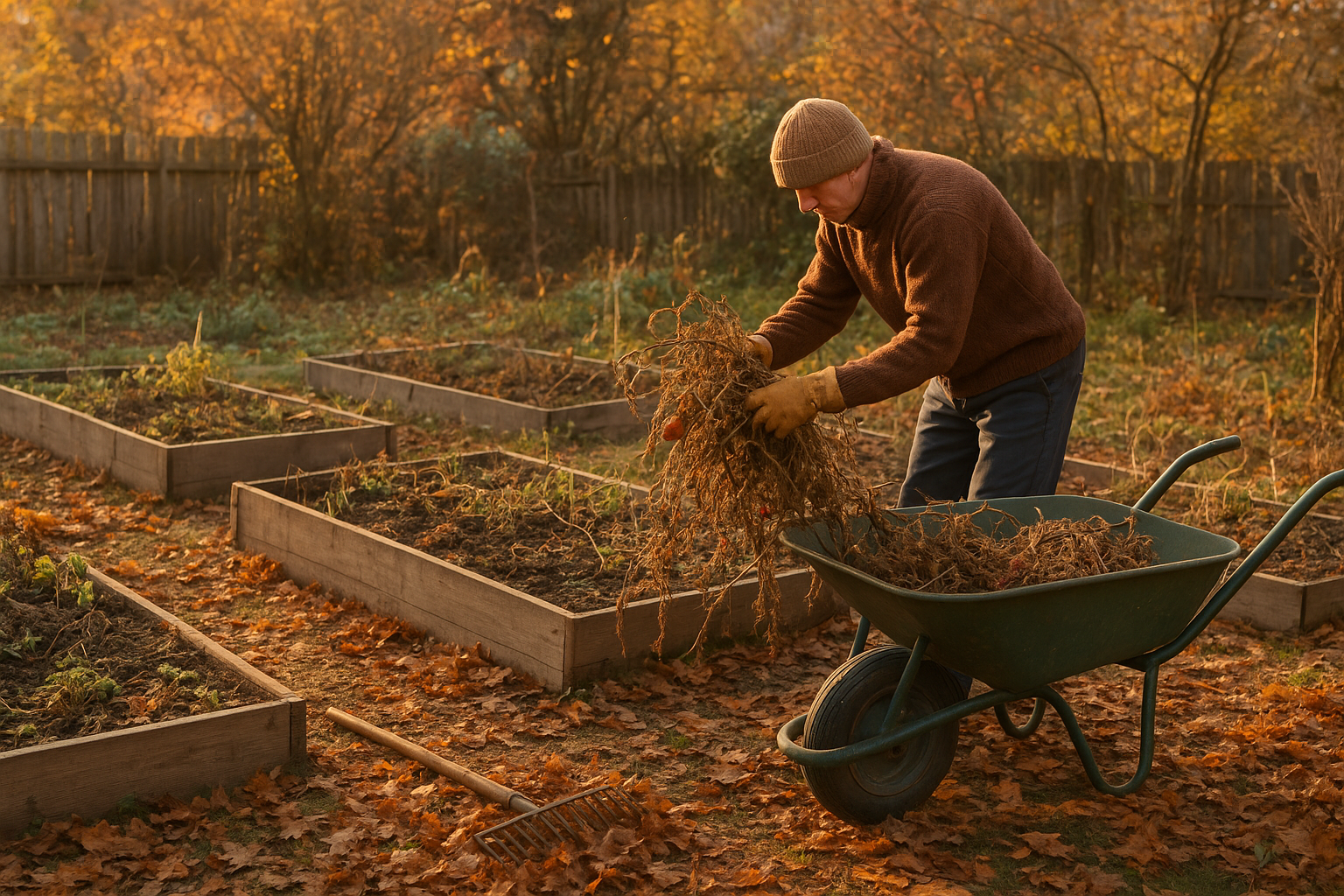
Once annual vegetables stop producing, pull them out to free up space and reduce hiding spots for pests. Spent tomato vines, cucumber plants, beans, and summer squash are common candidates for removal.
Leave roots in place when appropriate: If plants were healthy, you can often cut them at soil level and leave the roots to decompose. This helps feed soil organisms and keeps disturbance lower, especially in no-dig beds.
4. Cut back only what needs it
Not every plant must be cut all the way down. Some gardeners leave healthy perennial herbs or sturdy crops like kale in place until hard freezes arrive. The key is to remove dying foliage that will mat down, trap moisture, or harbor insects.
Examples to trim:
- Yellowing cucumber and squash vines
- Bean plants after harvest ends
- Tomato foliage with disease issues
- Any moldy or collapsing leaves
5. Collect fallen fruit and vegetables
Any produce left on the ground can attract rodents and insects. It can also become a source of fungal disease if it rots through wet weather.
Walk each bed carefully and pick up every dropped tomato, pepper, squash, cucumber, and melon. If fruit is healthy, you may be able to compost it. If it is damaged or moldy, throw it away.
6. Weed thoroughly before winter
Weeds that go into winter with seeds attached can create a bigger job later. Pull annual weeds before they seed, and dig out persistent perennials as much as possible, including roots and runners.
Why this matters: Even a few weeds left standing can shelter pests and compete with early spring seedlings. A clean bed now means less scrambling once warm weather returns.
7. Clean and store trellises, cages, and stakes
Supports that held up tomatoes, peas, cucumbers, or beans should be cleared off, scrubbed if needed, and stored dry. If you noticed disease in the bed, sanitize metal tools and supports before putting them away.
Easy cleaning method: Knock off soil, wash with water and a brush, and let items dry fully. For extra sanitation, use a garden-safe disinfecting solution on surfaces that touched diseased plants.
8. Save healthy seeds if you want to
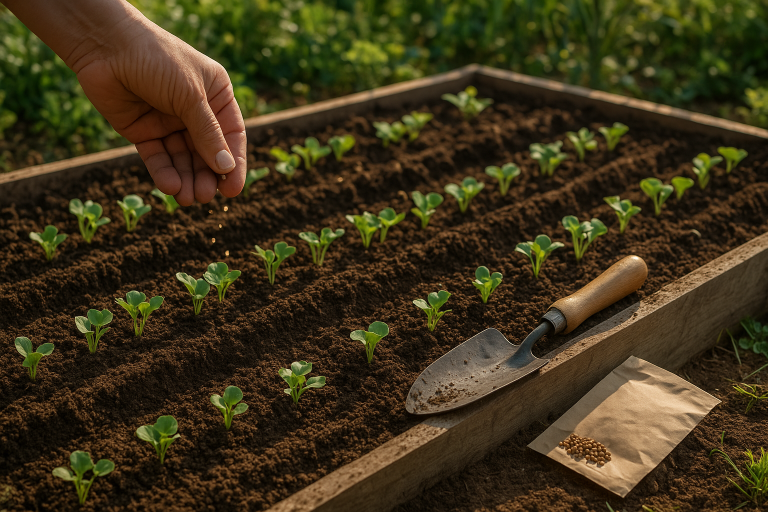
Fall cleanup is a good time to collect seeds from open-pollinated varieties that performed well. Dry seeds thoroughly and store them in a cool, dry place in labeled envelopes or jars.
Only save seeds from healthy plants: Avoid saving seeds from diseased vegetables or plants with poor performance. Good seed saving starts with the strongest plants in the garden.
9. Add compost or other soil amendments
Once beds are cleared, replenish what the season used up. A layer of finished compost is one of the easiest and most effective ways to feed your soil for next year.
You can also add soil amendments based on a soil test. This is the best time to correct pH issues or address nutrient shortages because winter weather and soil biology have time to help mix everything in naturally.
Remember: Avoid adding fresh manure right before winter unless you know it is properly aged and appropriate for your crops. Compost is a safer all-purpose choice for most home gardens.
10. Mulch beds to protect soil structure
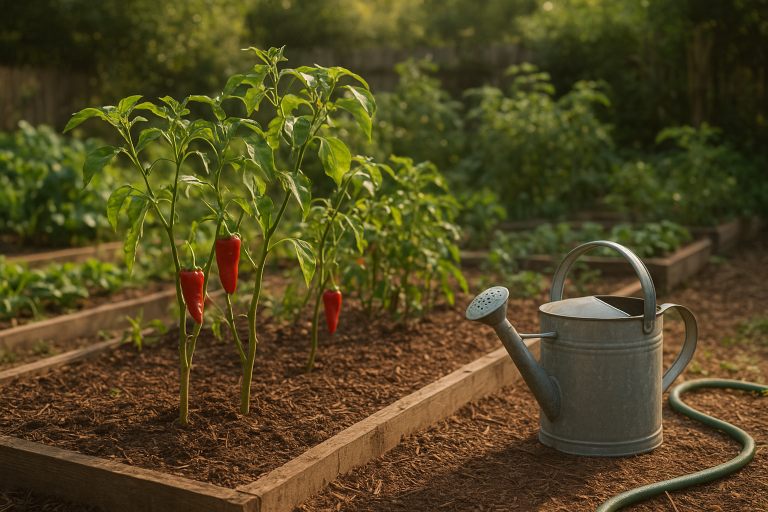
Leaving bare soil exposed through winter can lead to erosion, compaction, and nutrient loss. Cover beds with shredded leaves, straw, pine needles, or composted mulch after cleanup is done.
Good mulch choices:
- Shredded leaves for a lightweight, soil-friendly cover
- Straw for raised beds and pathways
- Compost as a nutrient-rich top layer
- Wood chips for paths, not for mixing deeply into veggie beds
Mulch also helps suppress weeds that might otherwise keep growing during mild spells.
11. Protect overwintering crops
Some vegetables actually stay in the garden through winter, depending on your climate. Garlic, spinach, kale, carrots, and certain hardy greens can benefit from a little protection.
Helpful covers include: row cover, cold frames, low tunnels, and thick mulch. These options can extend the harvest and reduce freeze damage without requiring much work.
If you live in a very cold region, consider whether the crop is worth leaving in place or whether it should be harvested and stored indoors instead.
12. Put the garden to bed with a plan
The final step in vegetable garden clean up is thinking ahead. Make a quick note of what grew well, what struggled, and where each crop was planted. A simple sketch or notebook entry can save a lot of guesswork next spring.
Write down:
- Where disease showed up
- Which crops produced heavily
- What pests were most troublesome
- Any soil issues or drainage problems
This small habit turns seasonal cleanup into a useful planning tool.
A simple order for fall garden cleanup
If you prefer a straightforward workflow, use this sequence:
- Harvest remaining produce
- Remove diseased plants and damaged fruit
- Pull finished annuals
- Weed beds and paths
- Clean supports and tools
- Top up beds with compost
- Mulch or cover the soil
- Note successes and problems for next year
What not to rush
It is easy to get overzealous and clear everything at once. But a few things are better left until weather demands action. For example, healthy perennial herbs can often stay in place, and hardy root crops may keep developing in cool soil. The same goes for beneficial insects that use plant debris and sheltered spaces during mild weather.
The best vegetable garden clean up is balanced: enough cleanup to prevent problems, but not so much that you strip away every bit of protection the garden can use.
Finish strong now, enjoy easier planting later
A little work in fall pays off in healthier beds, fewer pest surprises, and better soil next season. If you break the process into small jobs, vegetable garden clean up becomes manageable instead of overwhelming.
Work bed by bed, keep what is healthy, remove what is risky, and cover the soil before winter settles in. Your spring garden will thank you.