When to Cut Back Coneflowers for Healthy Blooms
Coneflowers are one of the easiest perennial flowers to grow, but they still raise a common question: when to cut back coneflowers. The answer depends on your goals for the garden. You may want a tidier bed, more wildlife value through winter, or simply the best chance of healthy growth next spring.
The good news is that coneflowers are forgiving plants. A little pruning at the right time can improve appearance and reduce disease problems, but leaving them standing can also benefit birds and add winter texture to the landscape.
Why timing matters
Coneflowers, especially Echinacea, naturally finish their season with sturdy stems and seed heads. Those spent flowers are not just leftovers. They can feed birds, shelter beneficial insects, and add structure to a sleepy winter garden.
At the same time, old stems and foliage can collect moisture and become messy by late winter. Cutting them back too early can remove food and habitat, while waiting too long can make spring cleanup more difficult. The best timing depends on your climate and what you want from the plant.
When to cut back coneflowers in fall
You can cut coneflowers back in fall after flowering is finished, but this is usually the best choice only if the plants were affected by disease or if you prefer a very neat garden through winter.
Fall cleanup makes sense when:
- The foliage has developed powdery mildew or spotting.
- The bed tends to stay soggy, and you want to reduce overwintering issues.
- You prefer a clean look and do not care about winter seed heads.
- You are preparing a bed for replanting or heavy mulch.
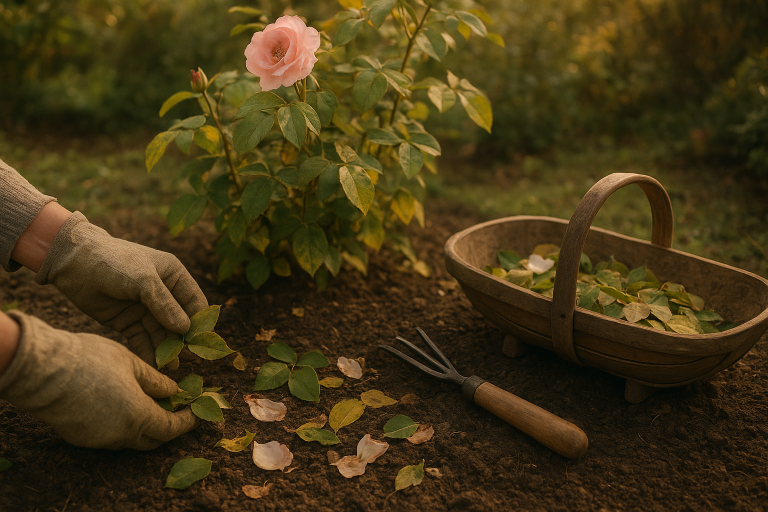
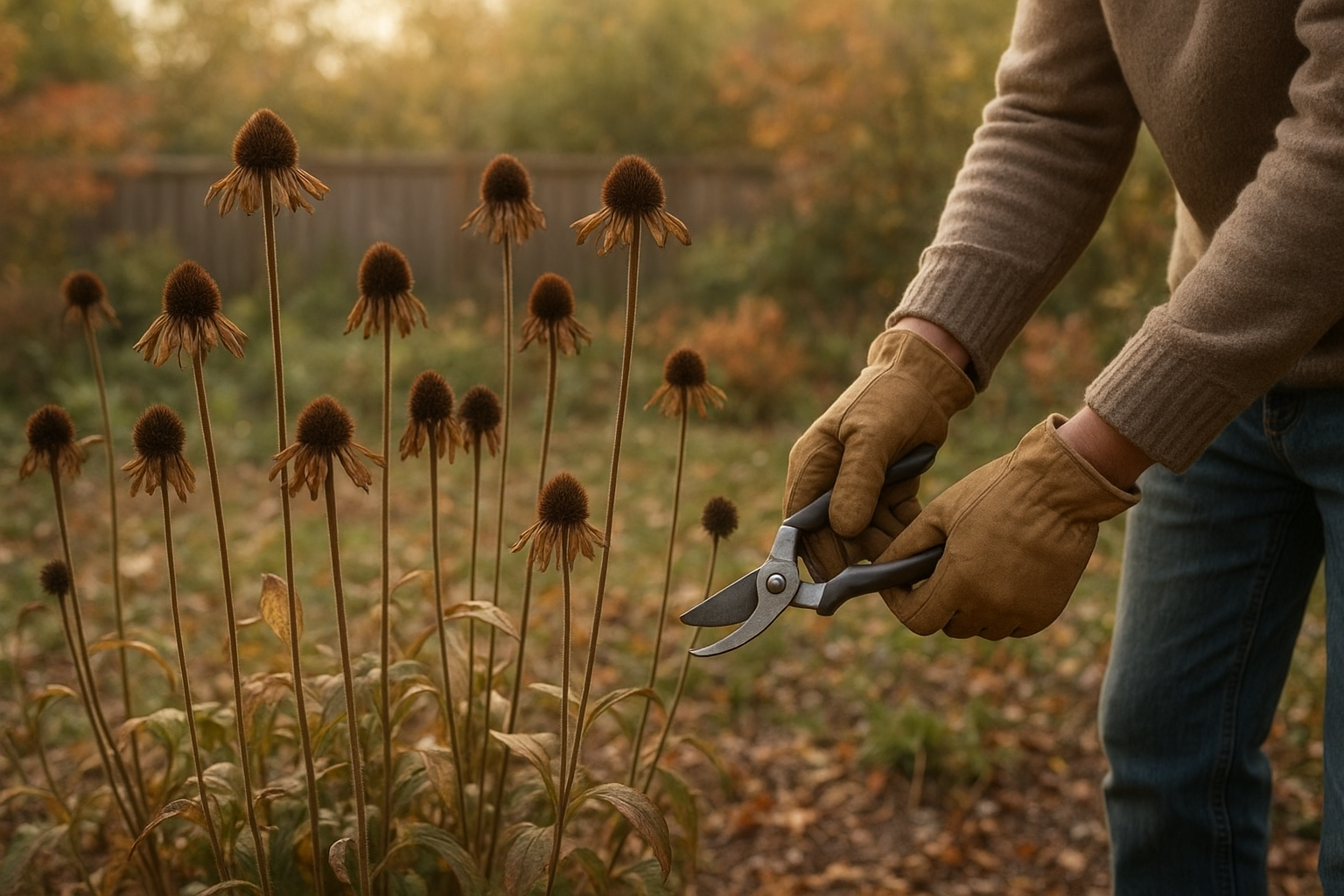
If you prune in fall, wait until the plant has naturally finished blooming and the flowers have faded. Then cut the stems back to about 2 to 4 inches above the soil line. Remove and discard any diseased material instead of composting it if disease is present.
Why many gardeners wait until spring
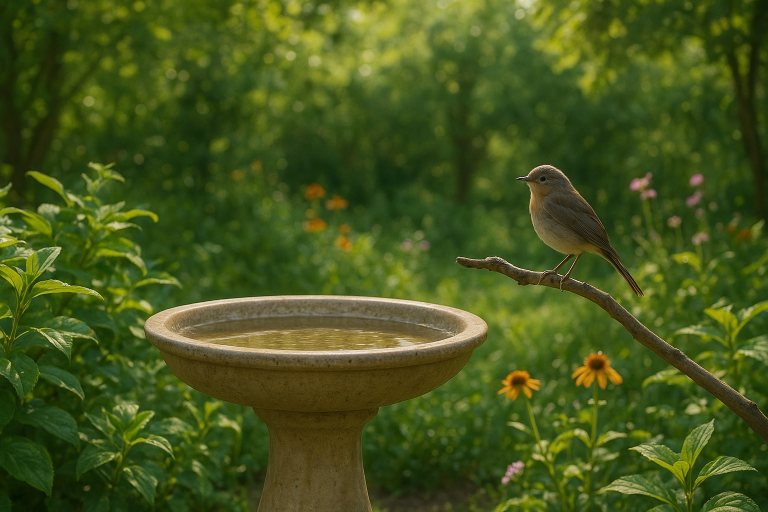
For most gardens, the better choice is to leave coneflowers standing through winter and cut them back in early spring. The dried cones add interest in the cold months and provide seed for finches and other birds. Hollow stems may also offer shelter for beneficial insects.
Spring pruning is often the easiest option because you can see exactly where the plant survived and where new growth is starting. It also avoids exposing the crown to extra winter moisture after a fresh cut.
If you choose spring cleanup, trim the old stems before strong new shoots emerge. In many regions, that means late winter to very early spring, just as temperatures begin to warm but before the plant starts pushing new growth.
Signs it is time to cut them back
Not sure whether your coneflowers are ready? Look for these clues:
- The blooms are spent and seed heads are dry.
- Foliage has turned brown or collapsed after frost.
- Stems are flopping into walkways or neighboring plants.
- Leaves show disease that you do not want to carry into next season.
- You are doing a seasonal cleanup and want to refresh the bed.
If the plant still looks strong and healthy in late fall, there is no rush. Coneflowers can stand up well to cold weather, especially in well-drained soil.
How to cut back coneflowers the right way
Pruning coneflowers is simple, but a few small steps make the job cleaner and easier.
- Use clean, sharp pruners. Disinfect them if you are removing diseased foliage.
- Cut stems down low. Leave 2 to 4 inches above the crown in fall or spring.
- Remove weak growth. If any stems are broken, blackened, or mushy, remove them completely.
- Clear debris from the crown. This helps prevent moisture from lingering around the base.
- Dispose of diseased material properly. Do not leave it in the bed if fungal issues are present.
For large plantings, a pair of bypass pruners works well for individual stems, but garden shears can speed up the work. Just be careful not to nick emerging shoots in spring.
When to leave coneflowers alone
There are plenty of times when cutting them back is not necessary. In fact, leaving coneflowers standing can be the better option in many home gardens.
Consider leaving them alone if you want:
- Winter bird food from the seed heads
- Pollinator habitat and shelter for beneficial insects
- Visual interest in an otherwise bare garden
- Less work during the busy fall season
If the plants are healthy and not showing signs of serious disease, they can stay in place until late winter or spring. Many gardeners like the look of coneflower seed heads frosted in snow or silhouetted against dormant grasses.
What about deadheading during the growing season?
Deadheading is different from cutting the whole plant back. During summer, you can remove faded flowers to encourage more blooming and keep the plant looking tidy. Snip the spent bloom just above a set of leaves or side bud.
If you want the plant to self-seed, leave a few flower heads in place. Coneflowers often produce seedlings when seed heads mature, which can help naturalize a garden area. Just remember that seedlings may not come true if you are growing hybrid varieties.
Do coneflowers need hard pruning?
Coneflowers do not need aggressive pruning like shrubs do. They are herbaceous perennials, so the top growth dies back naturally each year. The main job is seasonal cleanup. Cutting them low once a year is enough.
In some cases, older clumps benefit from division every few years if flowering slows or the center becomes crowded. That is separate from pruning, but it is worth watching for on mature plants.
Extra tips for healthier coneflowers next season
Pruning helps, but good growing conditions matter just as much. To keep coneflowers vigorous:
- Plant in full sun for the best flowering.
- Use well-drained soil to avoid crown rot.
- Water deeply during establishment, then only during dry spells.
- Avoid overfertilizing, which can lead to floppy growth.
- Space plants properly so air can move around the foliage.
Good spacing and drainage can reduce mildew and make the end-of-season cleanup much simpler. Healthy plants are also more likely to stand upright through the weather instead of collapsing early.
A simple rule of thumb
If your coneflowers are healthy, you can usually leave them standing until late winter or early spring. If they are diseased, messy, or in the way, cut them back after blooming or once frost has done its work. Either approach can be correct; the best choice depends on your garden style and maintenance priorities.
For most gardeners, the easiest routine is to enjoy the blooms, let the seed heads feed wildlife through winter, and then trim the plants down before new growth appears in spring. That gives you a garden that is both low-maintenance and beneficial.
With just a little timing, when to cut back coneflowers becomes less of a guess and more of a simple seasonal habit.