Tim Curry-Inspired Garden Paths That Add Instant Charm
Not every memorable garden moment comes from a burst of blooms. Sometimes the feature that makes a space feel polished, inviting, and a little magical is something far more practical: a well-planned path. That’s the idea behind a Tim Curry-inspired approach to the garden—let structure, movement, and personality do some of the work that flowers usually get all the credit for.
The good news is that a beautiful path is one of the easiest outdoor upgrades to recreate at home. Whether your yard is large or tiny, formal or relaxed, the right path can guide the eye, protect your lawn, and make the whole space feel intentional.
Why a garden path can transform a space
A path does more than help you walk from one place to another. It creates a sense of journey. Instead of seeing one flat expanse of lawn or bed space, you get a visual line that pulls you through the garden and invites exploration.
Paths are especially useful if your yard has a few problem spots, such as:
- muddy areas that turn into a mess after rain
- high-traffic shortcuts across the lawn
- a back corner that feels forgotten
- areas where you want to add definition without extra maintenance
They also make gardens feel larger by creating layers and direction. A path can lead to a bench, a potting station, a birdbath, a vegetable patch, or simply a shady spot where you like to sit.
Choose the path style that fits your garden
The best garden path design is the one that suits both your home and how you use the space. You do not need an elaborate landscape plan to get started. Begin with a simple question: where do you naturally want to walk?
1. Straight paths for a formal look
Clean, direct paths work well if you want a crisp, organized feel. They’re ideal for side yards, narrow spaces, and entrances where you want a clear route. Use brick, pavers, or stone for a timeless finish.
2. Curved paths for a softer, more relaxed feel
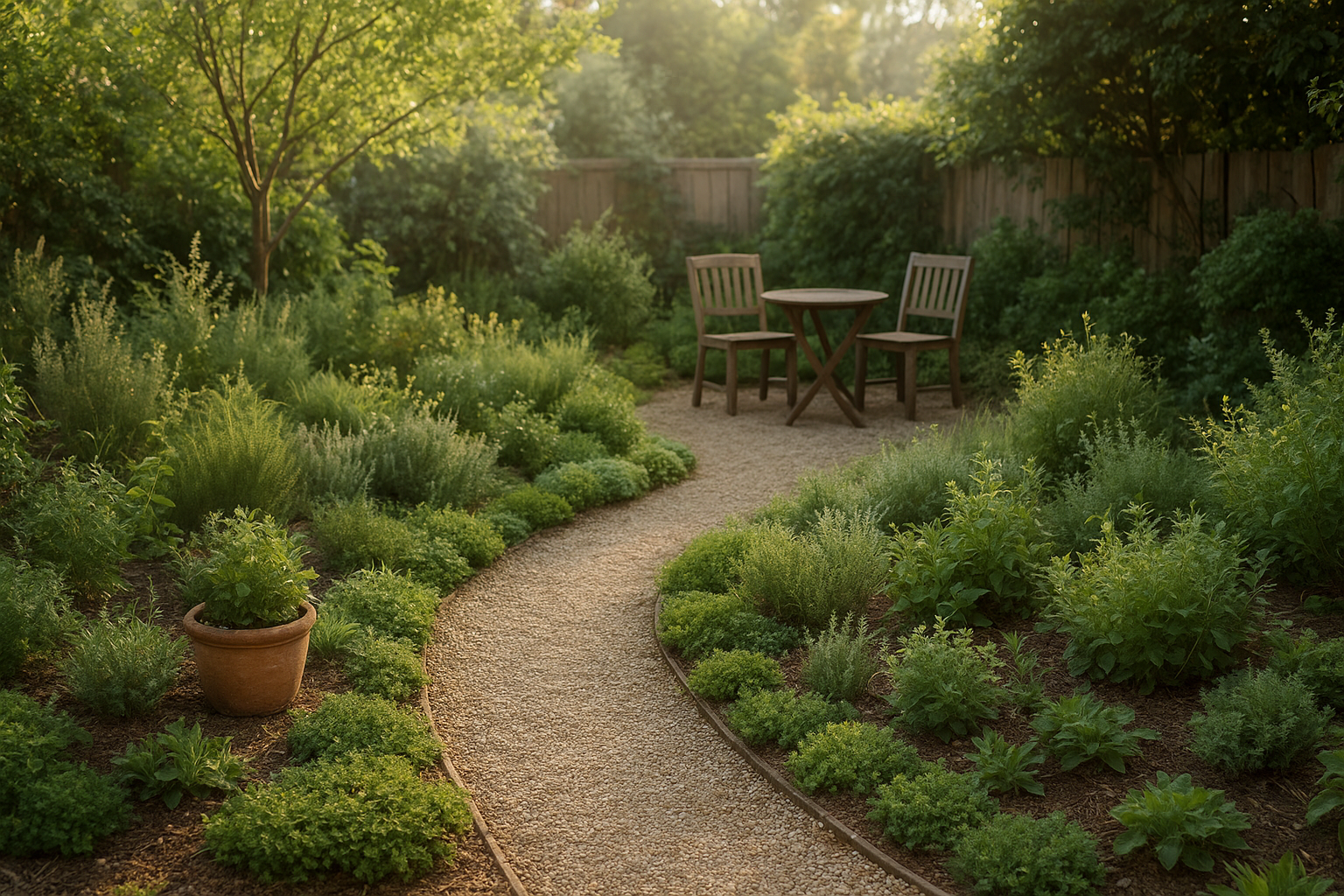
Gentle curves make a garden feel larger and more mysterious. They’re a great choice if you want the route to unfold gradually, especially in a backyard garden or around mixed borders.
3. Stepping-stone paths for a light touch
If you want the path to blend into the planting, stepping stones are a smart choice. They work well in lawns, gravel areas, and informal gardens. Space them so the stride feels natural, usually about 18 to 24 inches apart depending on the size of the stones and the average step of the people using them.
4. Gravel paths for easy installation
Gravel is one of the most budget-friendly ways to create a path with texture and character. It drains well, feels relaxed, and can be installed without heavy equipment if the area is small.
How to build a simple garden path
You can tackle a basic path over a weekend if you keep the design manageable. Start by mapping the route with a hose, rope, or garden string so you can test the shape before you dig.
- Mark the route. Walk the area first and notice where your feet naturally go. Keep the path wide enough for comfortable movement; 2 to 3 feet is fine for a single-person path, while 3 to 4 feet feels better for two people side by side.
- Remove the surface layer. Clear turf, weeds, and loose debris. If you’re laying pavers or stones, dig down enough to create a stable base.
- Add a base. For stone, brick, or pavers, compacted crushed stone or paver base helps prevent shifting. For gravel, a landscape fabric barrier can help reduce weed growth.
- Set the surface. Place stepping stones, lay pavers, or spread gravel evenly. Check the level as you go so the path drains properly and doesn’t feel wobbly underfoot.
- Finish the edges. Edging keeps the material in place and gives the path a neat line. Metal edging, brick, stone, or even tightly planted low-growing herbs can work well.
Materials that look good and wear well
The material you choose affects both the look and the upkeep of your path. Here’s a practical breakdown.
- Brick: classic, sturdy, and great for traditional gardens
- Flagstone: natural-looking and beautiful in informal or cottage-style spaces
- Gravel: affordable, quick to install, and easy to refresh
- Stepping stones: simple, low-profile, and perfect for smaller gardens
- Mulch: temporary and inexpensive, though it will need replacing more often
If you want the path to feel especially warm and lived-in, mix materials thoughtfully. For example, a gravel path with stone stepping points can look casual but still intentional.
Use plants to frame the path, not compete with it
Even though the feature itself isn’t flowers, the planting around it matters. The right border plants can make a path feel finished without overwhelming it. Think in terms of shape, texture, and height.
Good companions for a garden path include:
- low herbs like thyme or chamomile
- soft grasses for movement
- compact evergreens for year-round structure
- groundcovers that spill slightly over the edge
- a few taller plants spaced back from the edge to create depth
Try not to crowd the path. Leave enough room so you can walk comfortably and so nearby plants don’t brush your legs every time you pass.
Make the path personal
The charm of a path often comes from the details. This is where you can add a little personality without spending much.
- Use reclaimed bricks or stones for a weathered, collected look
- Place a bench or chair at the end of the route as a destination
- Add solar lights for evening use
- Set a birdbath or planter where the path naturally turns
- Repeat one material or color elsewhere in the garden for a cohesive feel
If you like a more theatrical style, let the path reveal the garden slowly. A slight bend, a change in material, or a wider landing spot can make even a small yard feel more designed.
Simple maintenance keeps it looking good
A path is low-maintenance compared with many garden features, but it still benefits from a little care. Sweep debris off hard surfaces, top up gravel when it settles, and pull weeds before they settle into cracks. After heavy rain, check for low spots or uneven pavers that may need adjusting.
If you use edging, keep an eye on it each season. A tidy border does a lot of the visual work, especially when the rest of the garden is in active growth.
The big takeaway
A standout garden doesn’t have to depend on showy flowers. A path can be the feature that gives the whole space character, directing attention, improving movement, and making the garden feel cared for. If you want an outdoor project with a lot of impact and very little fuss, garden path design is a smart place to start.
Choose a route that feels natural, pick materials that suit your home, and add plants or lighting to finish the look. The result is a garden feature that feels practical every day and quietly beautiful all season long.