Easy Weeknight Dinners That Save Busy Evenings
When the day runs long, dinner should feel manageable, not like another project. The best easy weeknight dinners are the ones that use familiar ingredients, come together quickly, and still taste like something worth sitting down for.
Instead of chasing elaborate recipes, it helps to build a small rotation of meals you can make almost on autopilot. Below you’ll find practical dinner ideas, a few smart shortcuts, and simple ways to make busy nights run more smoothly.
What Makes a Great Weeknight Dinner?
A dependable weeknight dinner usually checks at least three boxes: it uses ingredients you can find easily, it doesn’t require much active cooking time, and it feels satisfying enough to repeat often. That might mean a 20-minute pasta, a one-pan chicken dinner, or a soup that simmers while you get other things done.
The goal isn’t perfection. It’s having a plan that works on Tuesdays when everyone is hungry and you’re short on time.
Easy Weeknight Dinner Ideas to Keep on Repeat
Use these categories as a starting point when you’re planning your meals for the week. Each one is flexible, which makes it easier to swap ingredients based on what you already have.
1. Fast Pasta Dinners
Pasta is one of the most reliable options for a busy night because it cooks quickly and pairs well with a wide range of sauces. A simple pasta dinner can be as easy as sautéing garlic in olive oil, adding canned tomatoes or jarred sauce, and finishing with cheese and herbs.
- Use short noodles like penne, rotini, or shells for quick cooking and easy serving.
- Add vegetables such as spinach, peas, zucchini, or mushrooms to stretch the meal.
- Include protein with beans, rotisserie chicken, sausage, or ground turkey.
If you want dinner even faster, reserve a cup of pasta water before draining. A splash of that starchy water helps sauces cling to the noodles and makes everything feel more cohesive.
2. Sheet Pan Meals
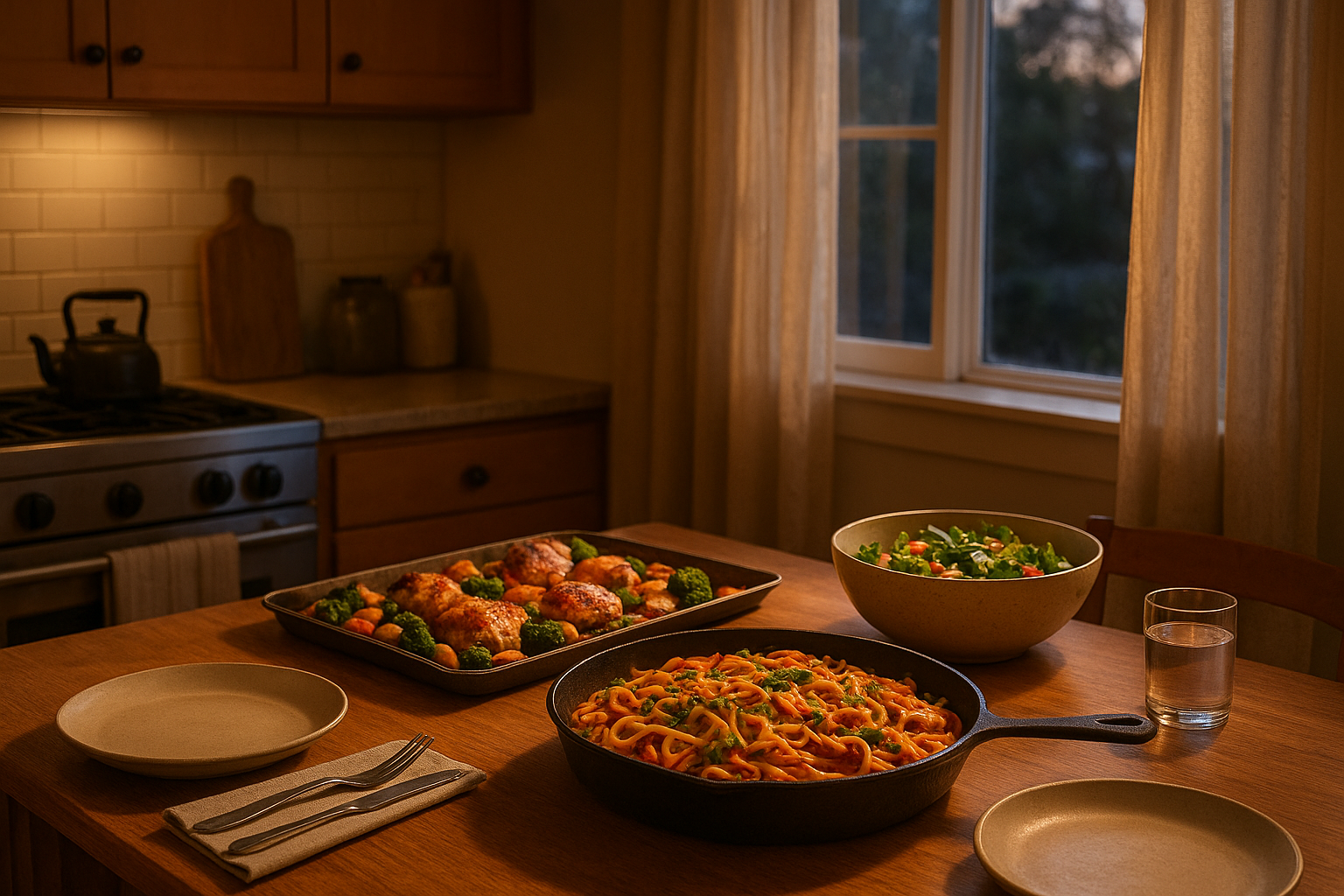
Sheet pan dinners are excellent when you want less cleanup. The basic idea is simple: place protein and vegetables on one pan, season well, and roast until everything is cooked through. Chicken thighs, salmon, sausage, and tofu all work well.
For a balanced meal, combine ingredients that roast at a similar rate. Potatoes and carrots need more time than broccoli or green beans, so cut denser vegetables smaller or start them a little earlier.
- Line the pan with parchment for easier cleanup.
- Use a high-heat oven for browning and faster cooking.
- Toss ingredients with oil, salt, pepper, and a seasoning blend before roasting.
A finishing sauce can make a sheet pan dinner feel more complete. Try lemon juice, yogurt sauce, pesto, tahini dressing, or even a quick drizzle of honey and mustard.
3. Cozy Soups and Stews
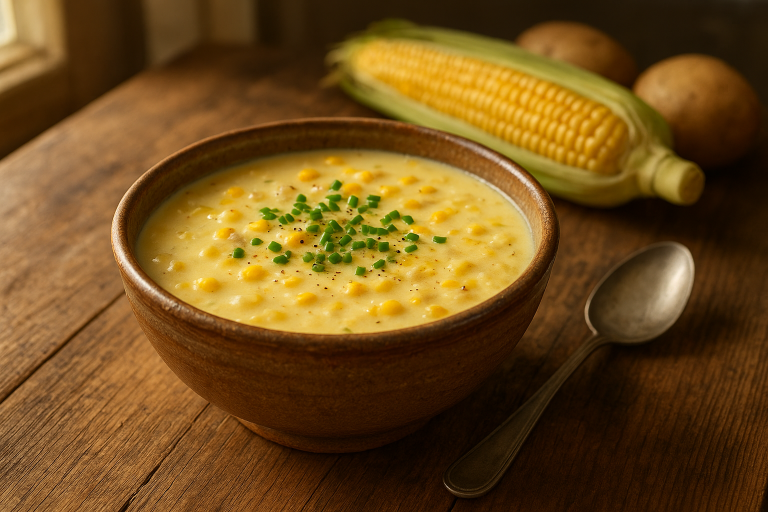
Soups are especially helpful when you want a meal that can simmer quietly while you handle the rest of your evening. Many soup recipes are also very forgiving, which makes them a good choice for using up vegetables or leftover cooked grains.
Start with onion, garlic, and broth, then build from there with beans, lentils, pasta, rice, or chopped vegetables. A small loaf of bread or a simple green salad turns soup into a full dinner.
- Make extra and refrigerate it for lunch the next day.
- Freeze portions in containers for future busy nights.
- Add a final squeeze of citrus or a spoonful of pesto to brighten the flavor.
4. Stir-Fries and Skillet Dinners
Stir-fries are ideal when you have a few vegetables in the fridge and need to use them up quickly. Because everything cooks in one pan, you can get dinner on the table fast and keep cleanup light.
Chicken, shrimp, tofu, and thinly sliced beef all work well here. So do crisp vegetables like bell peppers, snap peas, broccoli, cabbage, and carrots. Serve the finished stir-fry over rice, noodles, or even quinoa if that’s what you have on hand.
- Prep the sauce before you start cooking so the pan doesn’t overcook.
- Cook ingredients in stages if needed so nothing gets soggy.
- Keep rice or noodles ready in the fridge to shorten the meal even more.
5. Tacos, Bowls, and Build-Your-Own Meals
Some of the easiest dinners are the ones everyone assembles themselves. Taco night, grain bowls, and pita wraps let you use leftovers creatively while keeping dinner interactive and simple.
For a taco bar, offer seasoned beans or meat, shredded lettuce, cheese, salsa, and tortillas. For bowls, start with rice or greens and add protein, vegetables, and a sauce. These meals are easy to adapt for different tastes, which is helpful if you’re feeding a family.
- Choose one or two proteins and one main sauce to keep planning simple.
- Offer toppings that require little prep, like avocado, corn, pickled onions, or chopped herbs.
- Use leftovers from earlier in the week to reduce waste.
Smart Shortcuts That Make Dinner Easier
You do not need to cook from scratch every night to serve a good meal. In fact, a few convenience items can make weeknight cooking much more realistic.
- Rotisserie chicken: Great for salads, tacos, quesadillas, soups, and pasta.
- Canned beans and lentils: Quick protein for bowls, stews, and skillet meals.
- Frozen vegetables: Useful for stir-fries, soups, casseroles, and pasta.
- Jarred sauces: A fast base for pasta, curries, enchiladas, and baked dishes.
- Microwave rice or pre-cooked grains: Helpful when you want dinner assembled in minutes.
These shortcuts are not about cutting corners in a negative way. They’re about saving your energy for the parts of cooking that matter most: seasoning well, choosing a good combination of ingredients, and making sure everyone gets fed.
How to Build a Weeknight Dinner Plan
A simple meal plan can make the whole week feel calmer. Instead of deciding dinner at the last minute, pick a few categories and rotate them around your schedule.
- Choose 3 to 5 dinners for the week instead of planning every meal in detail.
- Match the meal to your schedule by placing the fastest dinners on your busiest nights.
- Repeat ingredients so you can use them in more than one recipe.
- Prep once, use twice by chopping vegetables or cooking grains ahead of time.
- Keep one backup meal in the freezer or pantry for unexpected delays.
This approach reduces decision fatigue and helps you use groceries efficiently. It also makes it easier to shop with a purpose, which can save both time and money.
Helpful Tips for Better Busy-Night Cooking
Small habits can make a big difference when you cook often.
- Season as you go: Salt in layers instead of waiting until the end.
- Read the recipe once before starting: It helps you avoid surprises and organize your ingredients.
- Keep a few staple sauces on hand: Pesto, salsa, marinara, soy sauce, and mustard can transform simple ingredients.
- Clean while you cook: Wash cutting boards, utensils, and bowls as you go to reduce the post-dinner mess.
Most importantly, choose meals that fit your life. A dinner that gets made regularly is more useful than a complicated recipe that only sounds good in theory.
A Simple Formula to Remember
If you’re staring into the fridge wondering what to cook, use this formula: protein + vegetable + starch + sauce. That might look like chicken, broccoli, rice, and teriyaki sauce; or beans, peppers, tortillas, and salsa; or pasta, spinach, chickpeas, and tomato sauce.
With a few dependable combinations in your back pocket, weeknight cooking becomes much less stressful. The best easy dinners are not fancy, but they are satisfying, flexible, and ready when you need them.