Easy Ratatouille Recipe with Summer Vegetables
If you have a pile of late-summer vegetables on the counter, ratatouille is one of the best ways to use them up. This classic French vegetable stew turns eggplant, zucchini, peppers, and tomatoes into something silky, savory, and deeply satisfying.
What makes ratatouille so appealing is its flexibility: it can be served warm, at room temperature, or even chilled the next day. It works as a main dish with bread or grains, or as a side alongside roasted meat, fish, or eggs.
What is ratatouille?
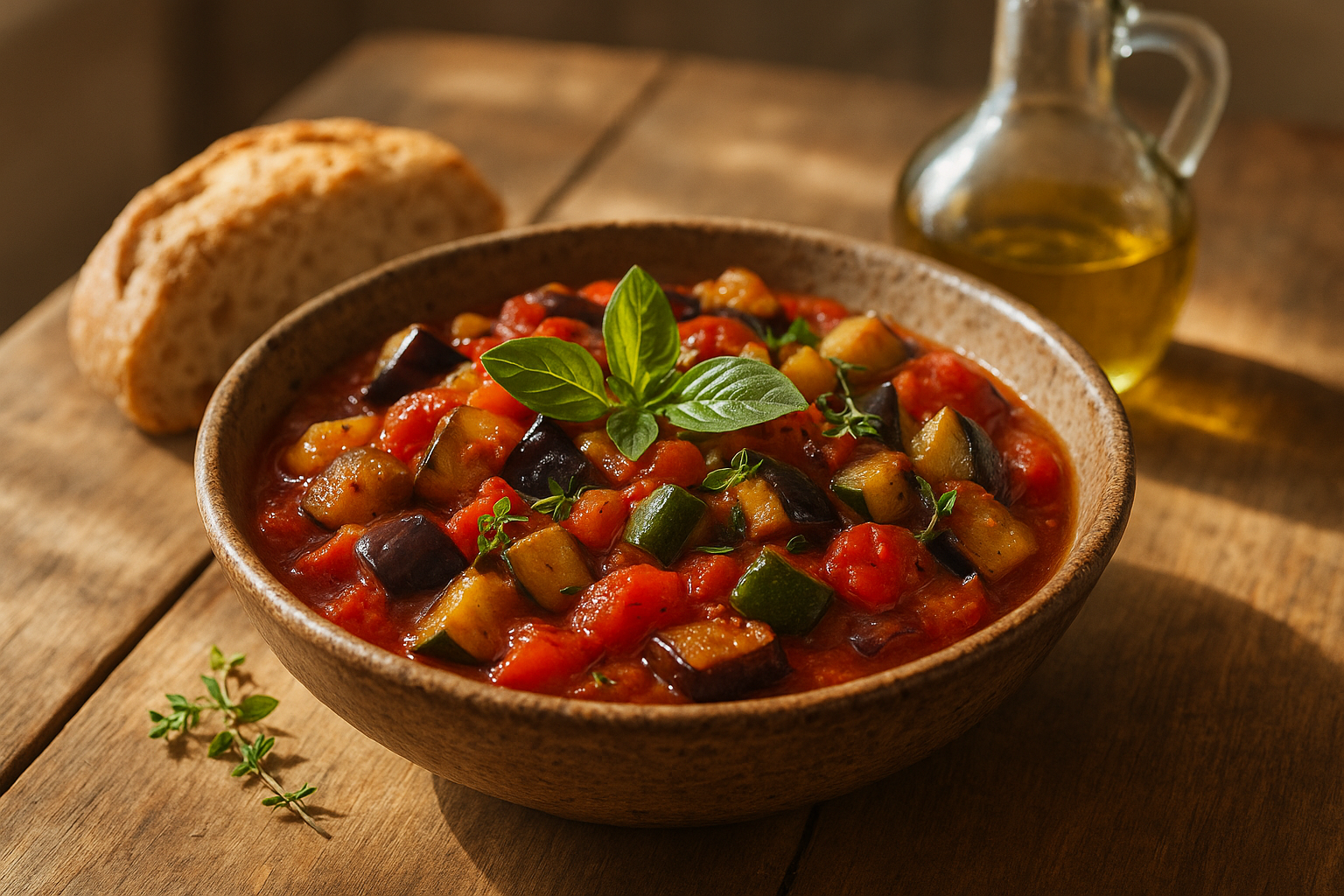
Ratatouille is a Provençal dish from the south of France made by simmering seasonal vegetables with olive oil, garlic, herbs, and tomatoes. The vegetables can be cooked separately for better texture or gently combined in one pot for a simpler home-cooking version.
At its heart, ratatouille is a celebration of peak produce. It is not meant to be heavy or overly saucy. Instead, the vegetables should stay distinct while mingling into a rich, fragrant stew.
Ingredients you’ll need
For the best flavor, choose ripe, in-season vegetables. You do not need anything fancy, but the quality of the produce matters.
- Eggplant: Look for firm, glossy eggplants with smooth skin.
- Zucchini: Medium zucchini usually have the best texture and fewer seeds.
- Bell peppers: Red, yellow, or orange peppers add sweetness and color.
- Tomatoes: Fresh summer tomatoes are ideal, but canned diced tomatoes work well too.
- Onion and garlic: These build the savory base.
- Olive oil: Use a good-quality olive oil for richness.
- Herbs: Thyme, basil, parsley, or Herbes de Provence all work beautifully.
- Vinegar or lemon juice: A small splash at the end brightens the flavors.
How to make ratatouille
This version keeps the method straightforward while still giving you a balanced, flavorful result. The key is to cook the vegetables in stages so they stay tender without turning mushy.
- Salt the eggplant. Cube the eggplant and toss it with a little salt. Let it sit for 15 to 20 minutes, then pat dry. This helps remove excess moisture and improves texture.
- Brown the vegetables. Cook the eggplant, zucchini, and peppers separately or in batches in olive oil until lightly golden. This step adds depth of flavor.
- Build the sauce. In the same pot, cook onion until softened, then add garlic and tomatoes. Stir in herbs and let the mixture simmer briefly.
- Combine and simmer. Return the vegetables to the pot and cook gently until everything is tender but not falling apart.
- Finish with acid and herbs. Add a splash of vinegar or lemon juice and plenty of fresh basil or parsley just before serving.
Practical tips for better ratatouille
Ratatouille is simple, but a few small choices make a big difference.
- Do not crowd the pan. If the vegetables are packed too tightly, they will steam instead of browning.
- Use enough oil. Eggplant especially absorbs oil, so do not be surprised if it needs a little extra.
- Keep the simmer gentle. A hard boil can break down the vegetables too quickly.
- Taste before serving. Tomatoes vary in acidity, so a small pinch of sugar or extra splash of vinegar may help balance the dish.
- Let it rest. Ratatouille often tastes even better after sitting for 20 to 30 minutes, once the flavors have melded.
Easy variations
One of the best things about ratatouille is how adaptable it is. You can make it fit what you have on hand.
Oven-baked ratatouille
Instead of simmering on the stove, roast sliced vegetables on baking sheets and then combine them with a tomato-garlic sauce. This method creates a little more caramelization and works especially well if you like a chunkier texture.
Ratatouille with extra protein
For a heartier meal, serve it with white beans, chickpeas, or a fried egg on top. It also pairs nicely with sausage or grilled chicken if you want to add meat on the side.
Chunky or silky
If you prefer a rustic stew, cut the vegetables into larger pieces. For a softer, more spoonable version, dice them smaller and simmer a bit longer.
How to serve ratatouille
Ratatouille is wonderfully versatile. Try it with:
- crusty bread or baguette
- cooked rice, quinoa, or couscous
- polenta or creamy mashed potatoes
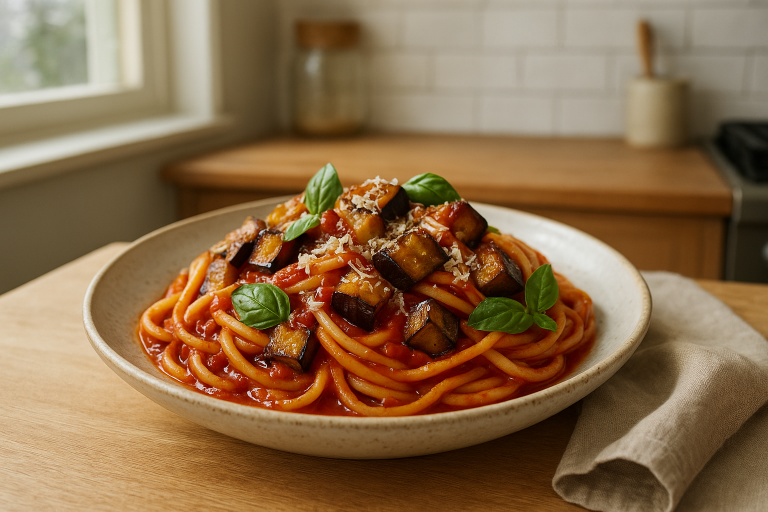
- pasta tossed with a little olive oil
- fried, poached, or soft-boiled eggs
It is also excellent as part of a mezze-style spread with cheese, olives, and salad. If you are entertaining, ratatouille can be served warm in a large shallow bowl with extra fresh herbs on top.
Storage and make-ahead tips
Ratatouille is a great make-ahead dish because the flavor develops as it sits. Store leftovers in an airtight container in the refrigerator for up to 4 days.
To reheat, warm it gently on the stove over low heat or in the microwave in short intervals. You can also freeze ratatouille for up to 3 months, though the texture will be softer after thawing.
If you are meal prepping, make a big batch and use it in different ways during the week: spoon it over grains one day, tuck it into a grain bowl the next, and serve it with eggs for breakfast or brunch.
A simple seasonal favorite
When summer vegetables are at their peak, ratatouille is one of the easiest ways to let them shine. It is humble, colorful, and comforting without feeling heavy, which is exactly why it remains such a favorite in home kitchens.
Whether you make it for a weeknight dinner or as part of a relaxed weekend meal, this ratatouille recipe is a reliable way to turn fresh produce into something memorable.