Can You Take Seeds from Public Plants? What’s Legal
Collecting seeds can be one of the cheapest and most rewarding parts of gardening. It’s easy to look at a patch of flowers in a park or along a sidewalk and think, “Why not save a few seeds for home?” The answer depends on where the plants are growing, who manages the land, and what the local rules allow.
If you’re wondering can you take seeds from public plants, the short version is: sometimes, but often not without permission. Before you pocket a seed pod, it’s worth understanding the legal and ethical side so you don’t end up with a citation, a confrontation, or damaged planting beds.
Start with the landowner, not the plant
The biggest mistake people make is assuming that because a plant is outside, it’s free for the taking. Public land is still owned and managed by someone, and that entity may have clear rules against collecting plant material.
Different places can have different restrictions:
- City parks often prohibit removing flowers, seeds, branches, or soil.
- State parks may limit all plant collection unless specifically allowed.
- National parks and preserves typically have the strictest rules and usually ban collecting seeds, leaves, flowers, and other natural materials.
- Roadside plantings may be maintained by a city, county, or transportation department, and gathering from them is usually not allowed without permission.
- School grounds, community gardens, and public buildings may have their own policies, even if the plants look unclaimed.
A good rule of thumb: if you do not own the land and do not have written or clearly stated permission, assume the seeds are off-limits.
Why many public spaces say no
The restriction is not just about being strict. Public plantings are often managed for several practical reasons:
- Plant health: Removing seed heads can interfere with the plant’s natural cycle or future growth.
- Wildlife value: Birds and insects may rely on the seeds or spent flower heads for food and habitat.
- Maintenance plans: Park crews may leave seed heads in place for fall and winter interest or for planned reseeding.
- Conservation: Some plants are rare, protected, or part of restoration projects.
- Public order: If everyone collects freely, flower beds can quickly be stripped bare.
What looks like a harmless handful of seeds can add up, especially in smaller beds or native plant areas where every seed matters.
When collecting may be allowed
There are situations where seed collecting is permitted, but the key is getting clear authorization first. Some parks offer educational programs, volunteer days, or native plant events where participants can gather seeds under supervision. Other gardens may allow collection in designated areas or after the planting season.
To check, look for:
- Park rules posted online or at entrance signs
- Information from the parks department or land manager
- Volunteer or stewardship guidelines
- Written permission from staff or property owners
If you can’t find the rule, call or email and ask before you collect. A quick question is far easier than dealing with a complaint later.
How to ask for permission the right way
If you want seeds from a public planting because you love a specific flower or native plant, ask politely and be specific. You’re more likely to get a yes if you explain what you want and how little you need.
A simple request can sound like this:
“I admire the plants in this bed and would love to grow the same species at home. Is there any policy that allows a small amount of seed collection, or someone I should contact for approval?”
If the answer is yes, clarify the details:
- How much can you take?
- Are there specific plants that are okay to harvest?
- Should you avoid certain areas or species?
- Do they want you to collect only from fallen seed or only from plants marked for removal?
That little bit of communication helps you stay in good standing and shows respect for the space.
Watch out for protected plants
Some public plantings include native or endangered species that may be protected by local, state, or federal rules. In those cases, collecting seeds can be illegal even if the area seems open to the public. This is especially true in natural preserves, restoration sites, and botanical collections.
If you’re not sure what a plant is, don’t guess. Skip any species you can’t positively identify. If a plant is rare, signed, labeled, fenced, or part of a conservation project, treat it as hands-off unless staff tell you otherwise.
Better alternatives to harvesting from public beds
If your goal is to save money and build a bigger garden, you have safer options than taking seeds from public plants.
- Ask neighbors or friends: Many gardeners are happy to share seeds from their own plants.
- Join a seed swap: Libraries, garden clubs, and community groups often host exchanges.
- Buy open-pollinated varieties: These are often easier to save seed from year after year.
- Volunteer in a garden: You may earn access to seed-sharing programs or supervised harvesting.
- Save seeds from your own landscape: Even a few pots on a patio can produce useful seed stock.
If you’re interested in native plants, local native-plant societies are especially good sources. They can help you find species that are well suited to your region and legal to collect from approved sources.
How to collect seeds responsibly from your own garden
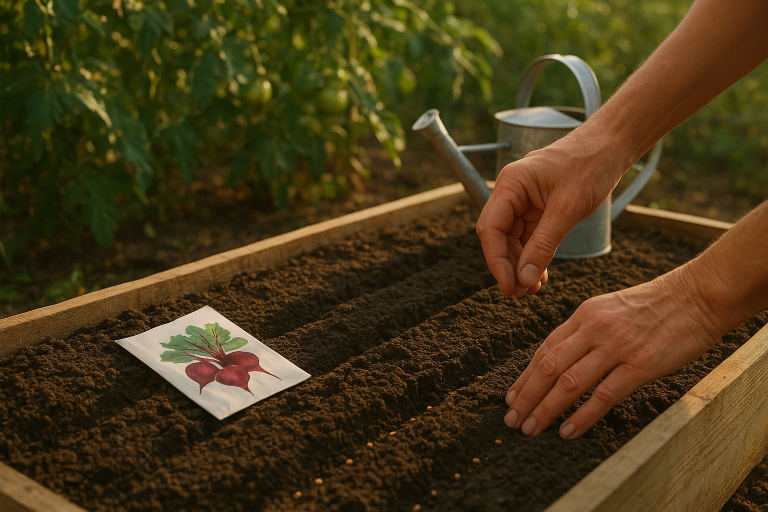
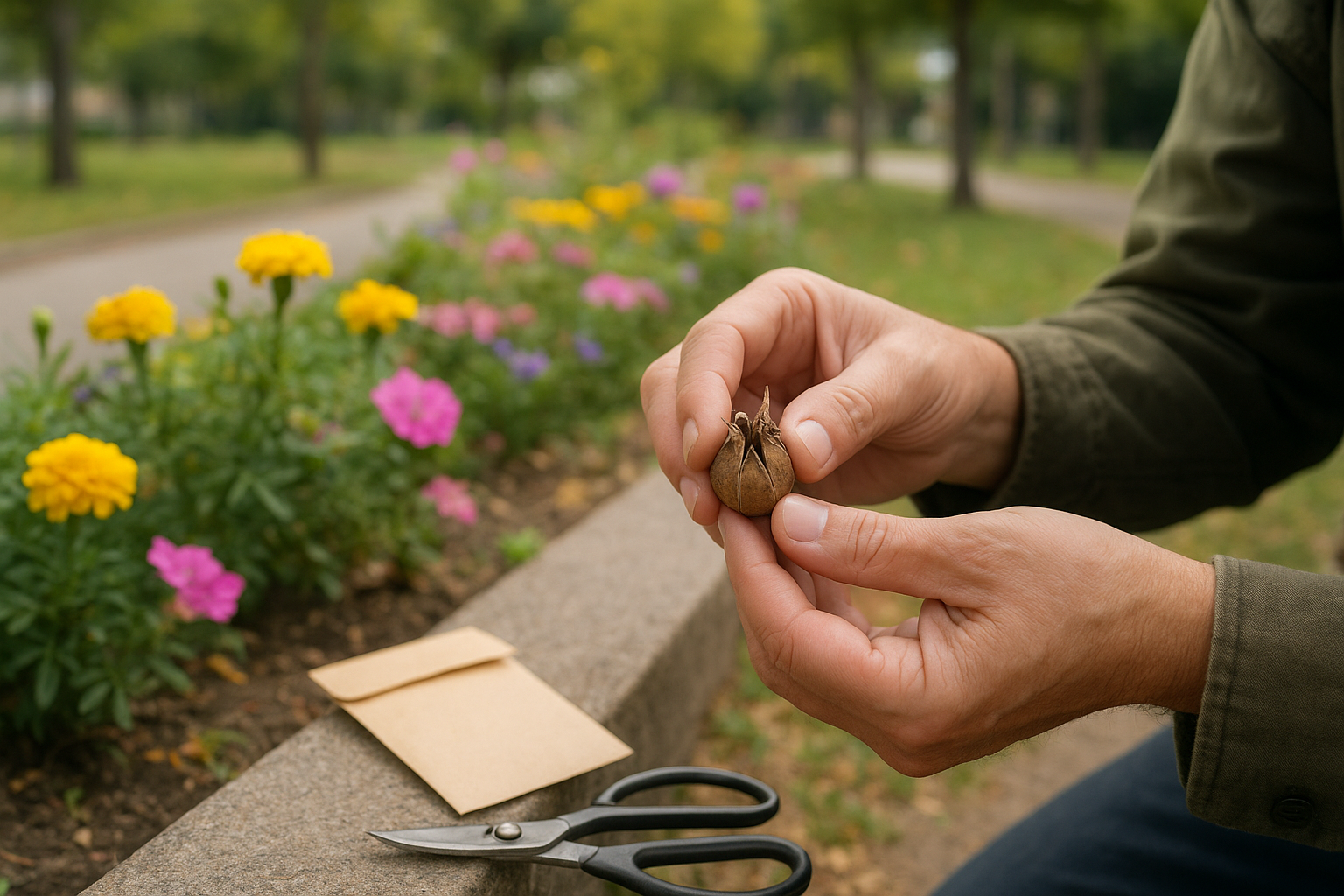
Once you’ve found a legal source, seed collecting is straightforward, but timing matters. Harvest seeds only when they are mature. In many plants, that means the pods or heads are dry, brown, and beginning to split.
Use these basic steps:
- Choose dry weather so moisture doesn’t encourage mold.
- Cut seed heads or pods into a paper bag, not plastic.
- Label immediately with the plant name and date.
- Let seeds finish drying in a cool, airy place.
- Store in envelopes or jars in a dry, dark spot.
Paper is best for short-term drying because it lets moisture escape. Plastic bags trap humidity, which can ruin seeds before you even get to plant them.
Common mistakes to avoid
Even well-meaning gardeners can run into trouble when collecting seeds. Keep these pitfalls in mind:
- Taking from “pretty” plants without asking can still count as unauthorized removal.
- Collecting too much may leave a bed looking stripped and may harm the planting.
- Assuming fallen seeds are fair game is risky unless the land manager says so.
- Ignoring posted signs can lead to fines or removal from the property.
- Confusing public and private land is easy in mixed-use areas, so verify boundaries first.
The bottom line
So, can you take seeds from public plants? In most cases, not unless the land manager explicitly allows it. Public gardens, parks, and green spaces are usually protected by rules that limit collecting, and those rules can differ from one location to the next.
If you want to save seeds legally, the safest path is to ask first, follow any limits closely, and look for alternatives like seed swaps or your own backyard plants. That way you can enjoy the thrift and satisfaction of seed saving without risking fines or taking from a shared space that belongs to everyone.