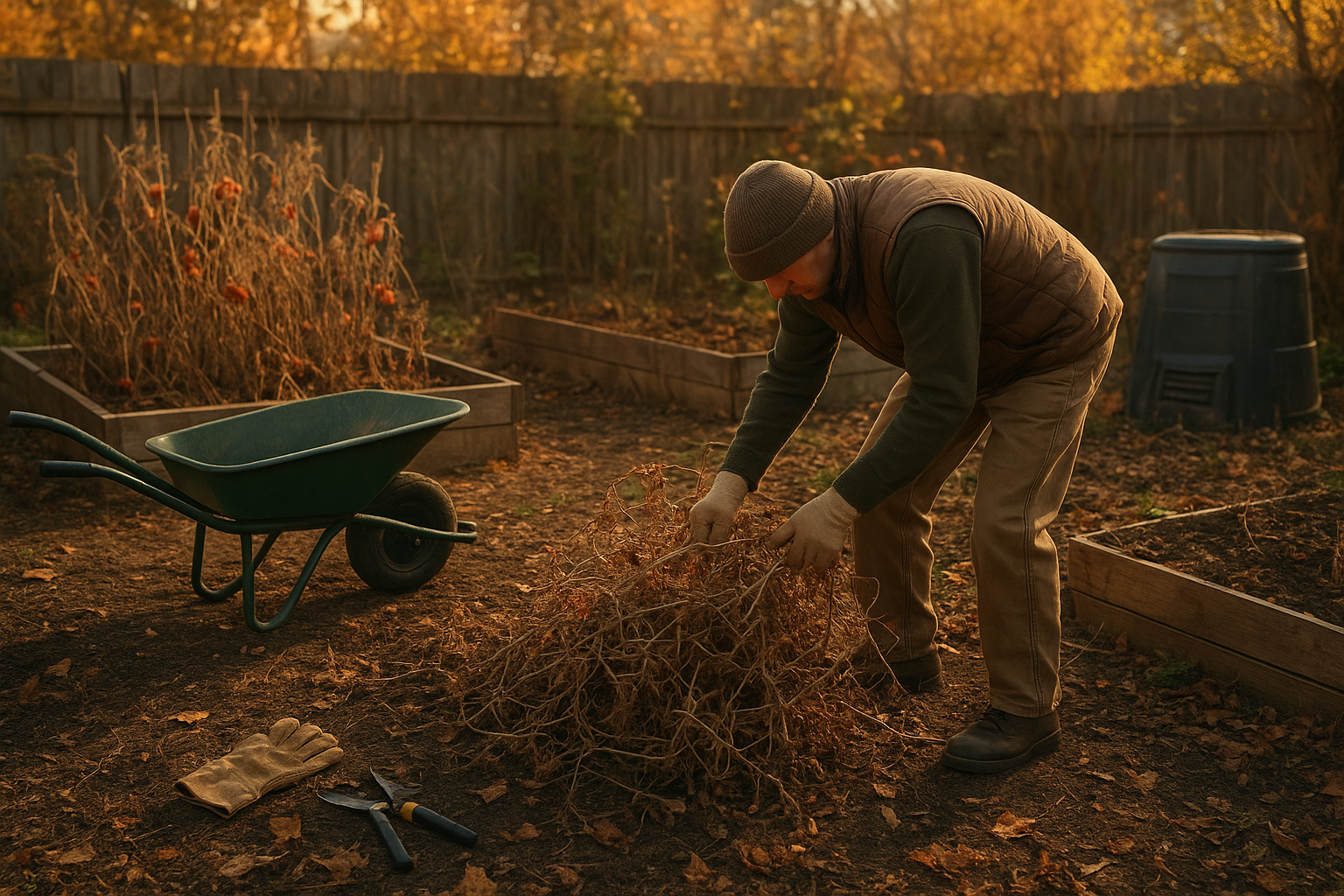
6 Practical Ways to Reuse Spent Tomato Vines in the Garden
When tomato season ends, those tangled vines can feel like a nuisance. But if the plants were healthy, there’s a lot of useful material left in those stems, leaves, and support trimmings. With a little sorting and some basic prep, you can reuse spent tomato vines in ways that help the garden instead of sending everything straight to the trash.
The key is knowing what is safe to keep and what should be removed from the property. Clean, disease-free vines can be composted, mulched, chipped, burned where legal, or turned into simple garden materials. Plants that showed signs of blight, leaf spot, wilt, or other serious disease should be handled more cautiously so you don’t carry problems into next year.
Start by sorting the vines
Before you decide what to do with tomato plants, separate them into two piles: healthy material and suspect material. If you saw blackened stems, spots spreading across leaves, sudden collapse, or any fungal-looking growth, don’t assume the debris is safe for casual reuse.
- Good candidates for reuse: vigorous vines with no major disease issues
- Not good candidates: plants affected by blight, severe fungal spotting, bacterial wilt, or heavy insect damage
- When in doubt: bag and dispose of diseased debris according to local rules
Also remove any fruit still attached. Unripe tomatoes can be ripened indoors in some cases, but anything soft, rotten, or moldy should not be reused in garden beds.
1. Add healthy vines to the compost pile
The easiest option is still one of the best: compost the clean vines. Tomato plants break down well once they’re chopped into smaller pieces and mixed with enough dry material to balance out all that green growth.
To speed decomposition, cut the vines into sections 6 to 12 inches long. Mix them with dry leaves, shredded paper, straw, or browns from the yard. Whole tomato stalks can mat together and slow airflow, so smaller pieces are much easier to manage.
Composting tips for tomato vines
- Layer vines with brown material to avoid a soggy pile
- Turn the pile regularly if you want faster breakdown
- Keep diseased plant material out of home compost unless your system gets hot enough to fully break it down
- If your compost tends to smell, add more dry carbon-rich material
If your compost is still cool and slow, tomato vines can go in, but expect them to take time. Thick stems are stubborn, so cutting them first really helps.
2. Shred and use them as a temporary mulch
Healthy tomato vines can be dried and used as a light, short-term mulch around ornamental beds or pathways. This works best when the plants are chopped or run through a garden shredder first. Whole vines tend to form a slippery mat instead of a useful cover.
Use this mulch only after the material has dried well. Fresh tomato vines can hold a lot of moisture and may encourage rot if piled too thickly. Spread the shredded material in a thin layer around areas where you want to suppress weeds for a season.
Best uses:
- around shrubs that are not prone to disease problems
- between dormant perennial plants
- on pathways as a temporary weed barrier
Avoid: using tomato vine mulch in beds where you plan to grow tomatoes, peppers, potatoes, or eggplants next season if the source plants had any disease issues.
3. Turn dry stems into garden ties and supports
Older tomato vines are often sturdier than they look. Thick sections of stem can be dried and used as lightweight plant supports, especially for small annuals or seedlings. They won’t replace bamboo stakes, but they can work as a quick, free option for lighter jobs.
Longer pieces can also be woven or tied into simple plant markers, small trellising helpers, or edging for seed-starting trays. If the stems are still flexible after drying, coil them gently and let them hold shape before tying.
Simple ways to reuse the structure
- make mini stakes for peas, beans, or flowers
- bundle stems into tied supports for floppy herbs
- use thicker sections as filler in the bottom of large pots for drainage space, if the material is fully dry and clean
This is a good option if you hate waste and want a use for every part of the plant before it fully breaks down.
4. Feed a hot compost system or leaf mold pile
If you maintain a larger compost setup, tomato vines can be useful as a nitrogen-rich layer in a hot pile. The trick is balancing them with enough dry leaves, cardboard, or straw so the pile heats up and stays aerated.
In a hot compost system, plant debris breaks down faster and can reach temperatures that kill many weed seeds and some pathogens. That said, a pile has to be managed properly to do the job. If you’re unsure whether your compost stays hot enough, keep diseased tomato plants out of it.
Tomato vines can also be layered into a leaf mold pile, where they add structure and help the material settle over time. This is a slower process, but it’s easy and low-maintenance.
5. Burn dry vines only where it’s legal and safe
In some areas, dry garden debris can be burned in a contained, regulated setup. If local rules allow it, a small burn can or fire-safe container can reduce a pile of brittle tomato vines to a compact amount of ash.
Burning is only a good choice if the vines are fully dry and you can do it safely. Keep the burn area clear of grass, use proper protection, and never leave fire unattended. Check local burn bans first, because many places restrict open burning seasonally or altogether.
The ash from clean plant material contains minerals, but it should be used sparingly. If you add it to the garden, sprinkle it lightly rather than dumping it in one place. Avoid using ash in beds that prefer acidic soil unless you know the pH needs adjustment.
6. Chop and bury healthy vines in empty beds
One of the simplest ways to recycle tomato vines is to bury healthy, chopped material in an unused bed far away from next year’s tomato spot. As the vines break down, they add organic matter to the soil and help feed microbes.
This method works best in beds that won’t be planted right away. Dig a shallow trench, place in chopped vines, cover them with soil or compost, and let them decompose over time. The smaller the pieces, the faster they disappear.
Good places to try this:
- empty flower beds that will rest over winter
- future pollinator beds
- non-edible borders or foundation plantings
Skip this method: in vegetable beds where you plan to grow another crop right away, especially if disease was present.
What to do with diseased tomato vines
This part matters more than the recycling ideas. If tomato plants were hit hard by disease, don’t compost them casually, and don’t leave them lying around the garden. Remove the material, contain it, and dispose of it according to your local guidelines.
- Do not add obviously diseased vines to a cold compost pile
- Do not till infected debris into the soil
- Clean tools after handling suspect plants
- Rotate next season’s tomatoes to a new location if disease was an issue
Good cleanup now can save a lot of frustration later.
Quick cleanup checklist for tomato season
- Pull healthy vines after harvest ends
- Separate any plants with disease symptoms
- Cut clean material into smaller pieces
- Choose a reuse method: compost, mulch, support material, buried organic matter, or safe burning where allowed
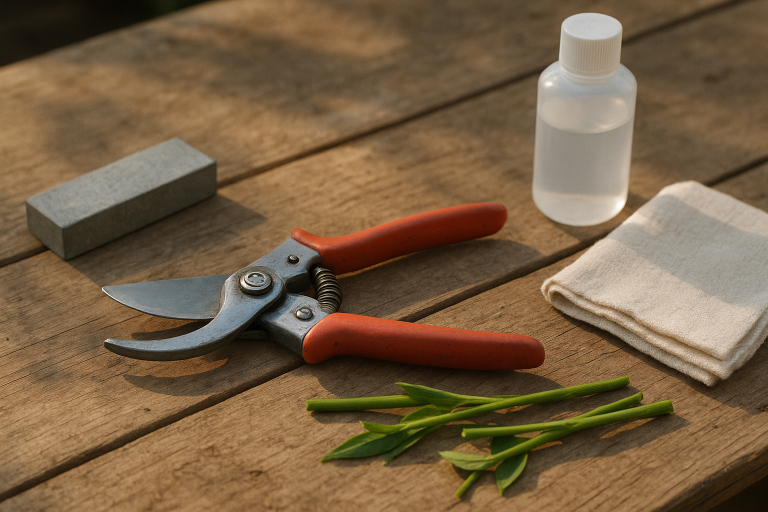
- Disinfect pruners and stakes before storing them
Tomato season always leaves behind a mess, but that mess can still be useful. With a little planning, you can turn spent vines into soil-building material, weed control, or simple garden supplies instead of treating them like waste. The more thoughtfully you handle the cleanup, the better shape your garden will be in next spring.