4 Aphid Mistakes That Invite Garden Infestations
Aphids are one of those garden pests that can go from barely noticeable to completely out of hand in a surprisingly short time. They feed on tender plant growth, weaken stems and leaves, and leave behind sticky honeydew that can attract ants and encourage sooty mold.
The good news is that many aphid problems start with a few common gardening habits. If you know what encourages these insects, you can make your garden far less inviting and catch trouble before it spreads.
Why aphids move in so quickly
Aphids reproduce rapidly, especially in mild weather and on plants producing soft new growth. They gather on the underside of leaves, at stem tips, and around buds where the plant tissue is easiest to feed on. Because they often blend in with foliage, the first warning signs are usually curled leaves, yellowing, stunted growth, or a shiny sticky film on nearby leaves and surfaces.
The biggest mistake gardeners make is assuming a small cluster is no big deal. With aphids, small problems often become big problems in just days.
1. Feeding plants too heavily with nitrogen
One of the most common triggers for an aphid infestation is overfertilizing, especially with nitrogen. Nitrogen promotes fast, soft, leafy growth, which sounds great until you realize aphids love exactly that kind of tissue.
Plants that are pushed into lush growth are often more vulnerable because their new leaves are tender and easy for aphids to pierce. This does not mean you should stop fertilizing altogether. It means you should feed with intention.
Better fertilizer habits
- Choose a balanced fertilizer unless a soil test shows your plants need something specific.
- Follow the package directions exactly instead of using extra for a stronger result.
- Avoid feeding more often than recommended.
- Use compost to improve soil health gradually instead of forcing growth all at once.
If your plants already look soft, floppy, or overly leafy, pause fertilizing and let them settle. Healthy, steady growth is less attractive to pests than a burst of overly tender shoots.
2. Not inspecting plants often enough
Aphids are much easier to control when you catch them early. Waiting until leaves are curling or entire stems are covered means the population has already had time to multiply and spread.
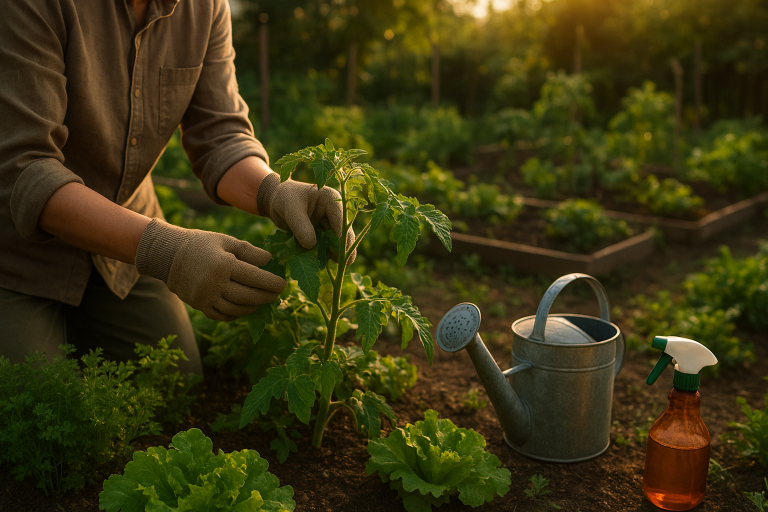
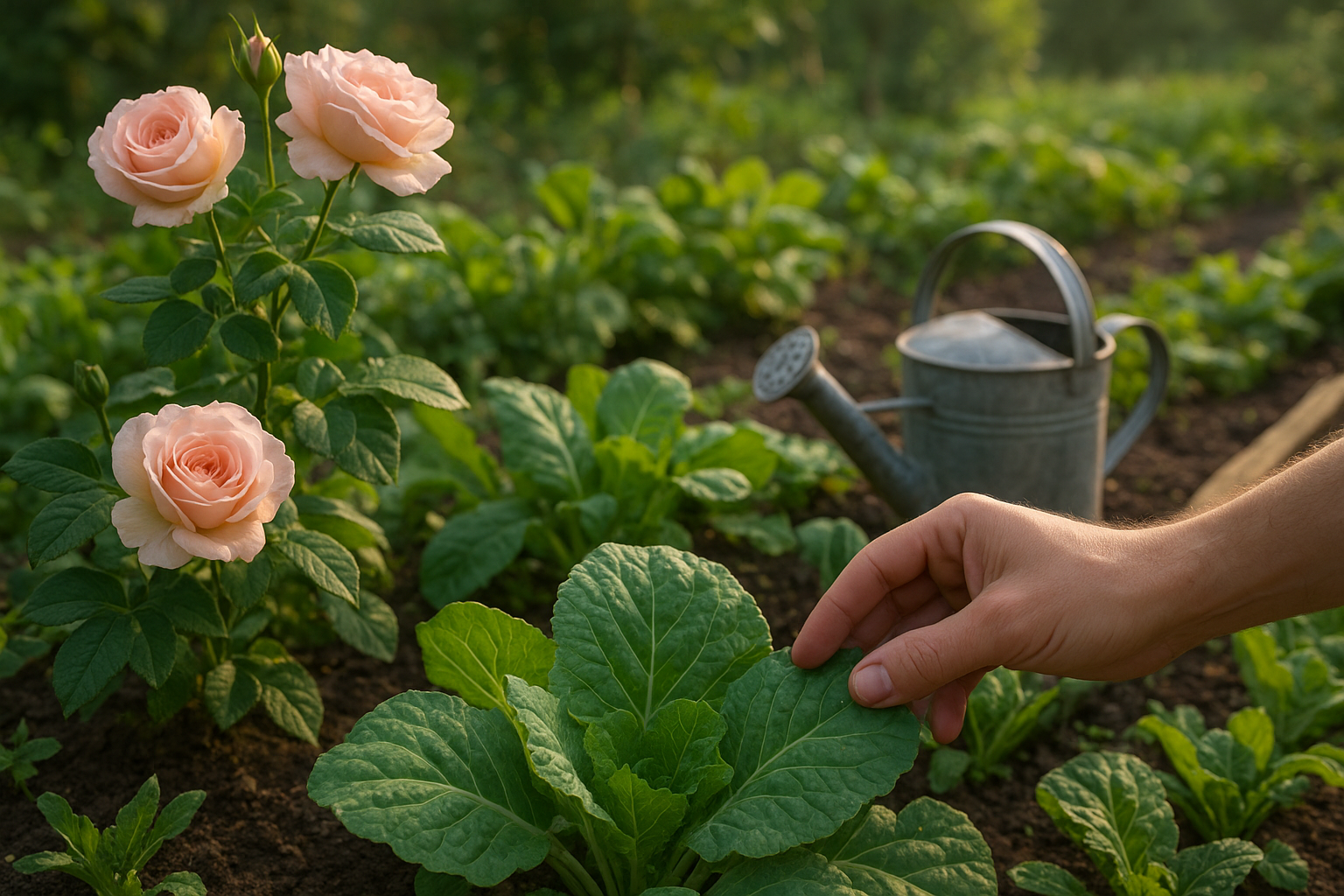
Make plant checks part of your routine. A quick look while watering or harvesting can help you spot changes before they become serious. Focus on the newest growth first, since aphids often gather there before moving downward.
What to look for
- Clusters of tiny soft-bodied insects in green, black, yellow, pink, or gray
- Curling, puckered, or twisted leaves
- Sticky residue on leaves, stems, or nearby surfaces
- Ant activity around the plant
- Black sooty mold growing on honeydew
Check the undersides of leaves and the tips of stems, not just the top of the plant. Aphids often hide in those less visible spots.
3. Waiting too long to take action
If you spot aphids, act right away. A handful of insects can become a major colony before the week is over, especially on fast-growing annuals, roses, and tender vegetables. The longer you wait, the harder it is to get them under control without damaging the plant further.
Early intervention does not have to be complicated. In many cases, a strong stream of water is enough to knock aphids off the plant and reduce their numbers dramatically. For smaller outbreaks, physical removal may be all you need.
Fast first-response methods
- Spray them off with water. Use a steady stream from the hose, aiming at stems and leaf undersides.
- Pinch or wipe them away. On a few affected stems, use gloved fingers or a damp cloth.
- Prune heavily infested tips. Put the cuttings in the trash, not the compost pile.
- Repeat in a few days. Aphids can return from overlooked eggs or nearby plants.
The key is persistence. One treatment rarely solves the whole issue if eggs, hidden clusters, or nearby host plants are still present.
4. Ignoring plant stress and crowded conditions
Strong, unstressed plants are better able to resist pest pressure. Aphids are more likely to settle in when plants are already struggling from drought, poor soil, root damage, overcrowding, or too much heat.
Crowded plants create another problem: poor airflow. Dense foliage gives aphids more protected places to hide and makes it harder for you to inspect and treat leaves properly.
How to make your garden less inviting
- Water consistently so plants do not swing between bone-dry and waterlogged.
- Mulch to help soil retain moisture and reduce stress.
- Thin crowded beds so air can move between plants.
- Remove weeds that can host aphids and nearby pests.
- Support plants with stakes or cages so leaves are easier to inspect.
Pay special attention to plants that are already under stress from transplanting, heat waves, or pruning. Those are often the first ones aphids target.
How to keep aphids from coming back
Once you have the immediate problem under control, focus on prevention. Aphids are easier to manage when your garden has a few natural defenses in place.
Helpful prevention tips
- Encourage beneficial insects. Lady beetles, lacewings, and hoverflies feed on aphids.
- Avoid broad-spectrum pesticides. These can kill helpful insects along with pests.
- Mix up your plantings. Monocultures make it easier for pests to spread quickly.
- Inspect new plants before bringing them home. Nursery plants can already carry aphids or eggs.
- Watch for ants. Ants often protect aphids in exchange for honeydew, so controlling ants may help break the cycle.
If aphids keep returning to the same plant, there may be a nearby source feeding the problem. Check surrounding plants, especially roses, peppers, beans, kale, and tender ornamentals.
When a severe infestation needs extra help
For recurring or heavy infestations, repeated water sprays and pruning may not be enough. In those cases, an insecticidal soap or horticultural oil can be useful when applied according to label directions. These treatments work best when coverage is thorough and temperatures are appropriate for the product you choose.
Always test on a small section first if you are treating a sensitive plant, and avoid spraying during the hottest part of the day. If a plant is badly damaged and constantly reinfested, it may be better to remove the worst growth and let the plant recover.
The takeaway
An aphid infestation usually does not happen by accident. Overfeeding, infrequent checks, delayed action, and stressed plants all create the kind of soft, sheltered conditions aphids love. The upside is that these are all things you can change.
With better feeding habits, routine inspection, and quick action at the first sign of trouble, you can keep aphids from taking over and help your garden stay healthier all season long.