How to Grow Napa Cabbage for Tender, Crisp Harvests
Napa cabbage is one of the most rewarding cool-season vegetables to grow at home. Its soft, crinkled leaves and mild flavor make it perfect for salads, stir-fries, slaws, and homemade kimchi, and it tends to mature faster than many other brassicas. If you want a crop that feels both practical and a little special, learning how to grow napa cabbage is a great place to start.
The key is giving it the right weather, steady moisture, and protection from common pests. With a little planning, you can harvest crisp, dense heads that taste far better than most store-bought versions.
What napa cabbage needs to thrive
Napa cabbage, also called Chinese cabbage, is a cool-season crop. It grows best when temperatures stay moderate, usually between 60°F and 70°F. Hot weather can cause plants to bolt, form loose heads, or develop a bitter flavor, so timing matters more than almost anything else.
This vegetable likes fertile soil that drains well but still holds consistent moisture. A slightly acidic to neutral soil pH, around 6.0 to 7.0, is ideal. Like many brassicas, it appreciates a bed that has been enriched with compost before planting.
When to plant napa cabbage
The best planting window depends on your climate, but napa cabbage is usually grown in spring or late summer for a fall harvest. In many regions, fall crops are the easiest because the plants mature as temperatures cool down.
- Spring planting: Start seeds indoors about 4 to 6 weeks before your last frost date.
- Direct sowing: Sow seeds outdoors after the soil can be worked and the risk of hard frost has passed.
- Fall planting: Start seeds in midsummer so plants mature when nights begin to cool.
If your summers are long and hot, consider choosing a fall crop. Napa cabbage often performs better when the final weeks of growth happen in cooler weather.
How to start seeds
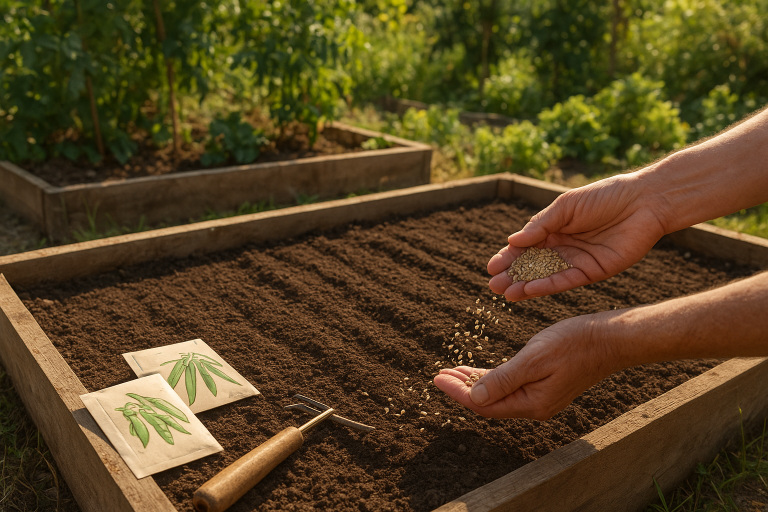
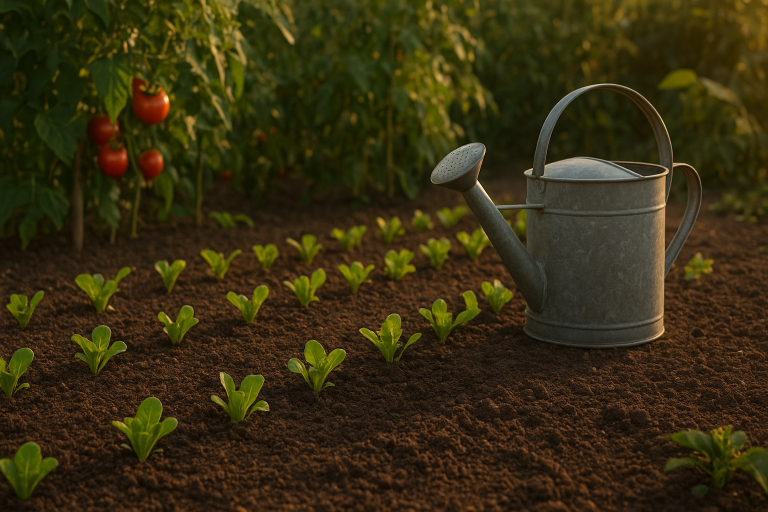
You can direct sow napa cabbage, but starting seeds indoors gives you more control over timing and helps young plants get ahead of early pests. Use small pots or cell trays with a quality seed-starting mix.
- Sow seeds about 1/4 inch deep.
- Keep the soil evenly moist, not soggy.
- Place trays in bright light or under grow lights.
- Harden off seedlings for about a week before transplanting.
Seedlings are usually ready to move outdoors when they have a few true leaves and sturdy stems. Try not to let them become rootbound, since stressed seedlings can slow down after transplanting.
Choosing the right spot
Pick a location that gets full sun in cool weather or light afternoon shade in warmer regions. A spot with at least 6 hours of sun is ideal in most gardens. Good airflow helps prevent disease, but the area should also be sheltered from harsh drying winds.
Raised beds, in-ground rows, and large containers can all work well. If you garden in pots, choose a container that is at least 12 inches deep and wide enough to keep the soil from drying out too quickly.
Planting and spacing tips
Give napa cabbage room to form full heads. Crowded plants may stay small or develop airy, loose growth instead of tight, upright heads.
- Spacing: Set plants 12 to 18 inches apart in rows about 18 to 24 inches apart.
- Transplanting: Plant at the same depth as in the nursery pot.
- Mulch: Add straw, shredded leaves, or grass clippings to help hold moisture and suppress weeds.
If you are growing in a smaller space, you can sow a few seeds and thin to the strongest plant in each spot. That method works especially well when you want uniform, healthy heads.
Watering and feeding
Even moisture is one of the most important parts of napa cabbage care. Irregular watering can lead to tough texture, splitting, or poor head formation. Aim for steady soil moisture, especially while plants are young and during the final stages of head development.
A deep watering once or twice a week is often better than frequent shallow sprinkling. In hot or windy weather, you may need to water more often. Check the soil with your fingers; if the top inch is dry, it is time to water.
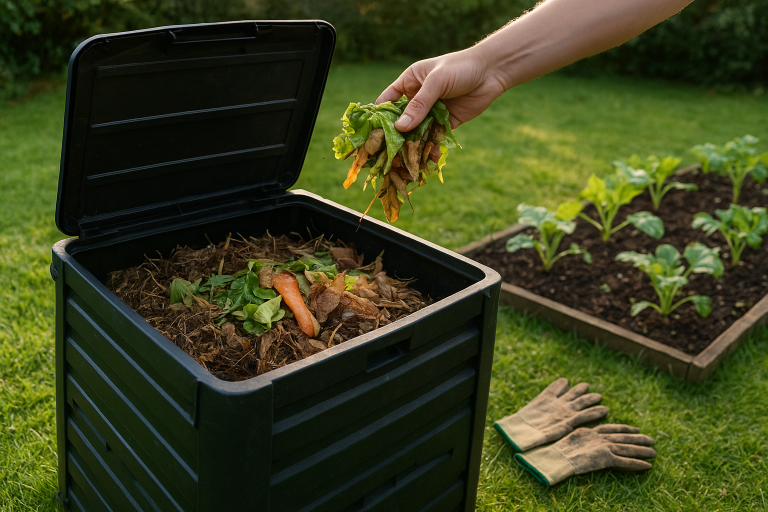
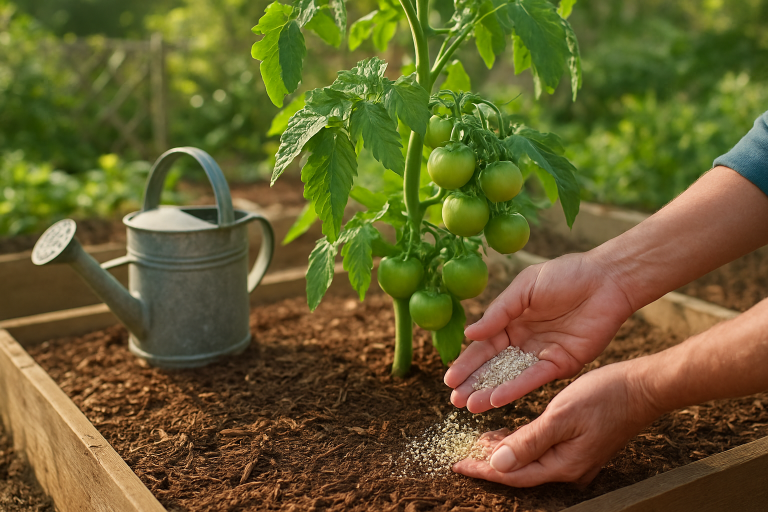
For feeding, mix compost into the bed before planting. If your soil is not especially rich, a balanced organic fertilizer can help early growth. Avoid overdoing nitrogen later in the season, since too much leafy growth can delay heading.
Common pests and how to handle them
Like other brassicas, napa cabbage can attract pests. The most common problems are cabbage worms, flea beetles, aphids, and slugs. The good news is that early protection makes a big difference.
- Floating row cover: Use it right after planting to keep moths and beetles from laying eggs on the plants.
- Hand-picking: Check leaf undersides and remove caterpillars when you see them.
- Water spray: A strong blast of water can dislodge aphids from leaves.
- Slug control: Keep beds tidy and water in the morning so soil surfaces dry out by evening.
Inspect plants often. Smaller pests are much easier to manage when caught early, before they damage the tender inner leaves that form the head.
Preventing bolting and bitter flavor
Bolting happens when plants shift into flower production too soon, often because of heat stress or inconsistent growing conditions. Once napa cabbage bolts, the leaves usually become more bitter and the heads stop filling properly.
To reduce the risk, plant at the right time, keep moisture even, and choose a site with some protection from intense afternoon sun if your summers run hot. Fast-growing plants are usually happier plants, so avoid setbacks like transplant shock, drought, or overcrowding.
If a spell of warm weather is expected, a light shade cloth can help keep plants from overheating. Mulch also helps moderate soil temperature, which can be surprisingly helpful during seasonal transitions.
Harvesting napa cabbage
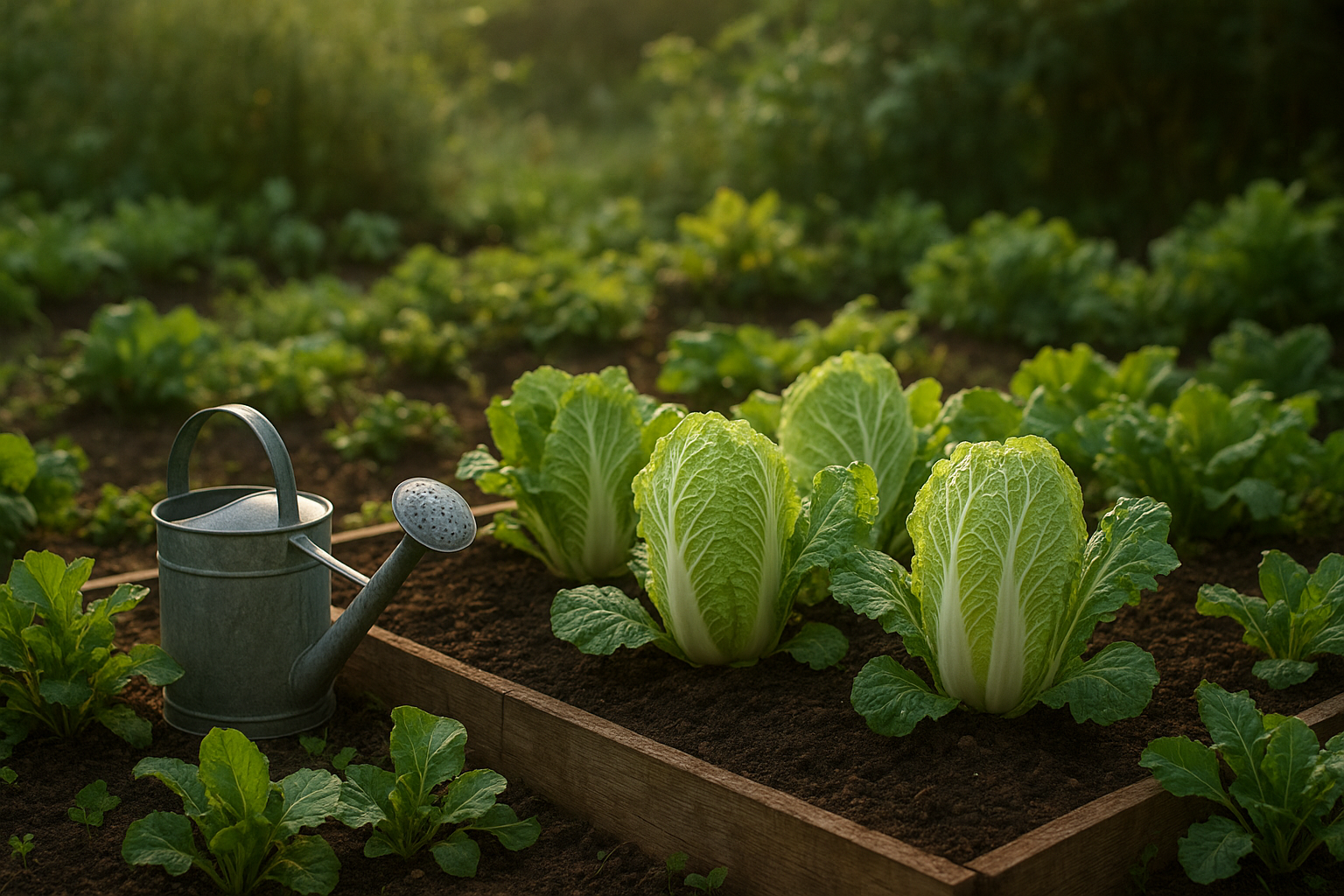
Napa cabbage is usually ready to harvest in about 70 to 90 days, depending on the variety and growing conditions. The head should feel firm when gently squeezed and have a dense, elongated shape. Outer leaves may be large and open, while the inner leaves are tighter and paler.
Use a sharp knife to cut the head at the base, leaving the roots in the ground if you want to see whether smaller side growth develops. Harvest in the morning if possible, when the leaves are crisp and hydrated.
If frost is light, napa cabbage can often handle it well and may taste sweeter afterward. A hard freeze, however, can damage heads, so watch the forecast as harvest time approaches.
Storing your harvest
Freshly picked napa cabbage stores best in the refrigerator. Wrap the head loosely in a paper towel or keep it in a perforated produce bag so excess moisture does not build up. Stored this way, it can usually last one to two weeks.
For the best texture, avoid washing the whole head until you are ready to use it. If outer leaves are wilted, remove them before storing the rest of the cabbage.
Best uses in the kitchen
Napa cabbage is wonderfully versatile. Its crisp ribs and tender leaves work in both raw and cooked dishes, and it cooks faster than many sturdier cabbages.
- Slice it thinly for slaw or salad.
- Add it to stir-fries during the last few minutes of cooking.
- Use the leaves in dumplings, soups, or wraps.
- Ferment it for homemade kimchi.
If you grow more than you can use right away, consider harvesting several heads at different times. Staggering your planting schedule can extend the season and keep a steady supply coming into the kitchen.
Quick growing checklist
- Plant in cool weather for the best quality.
- Use rich, well-drained soil with plenty of compost.
- Keep moisture even from seedling stage to harvest.
- Space plants generously so heads can form properly.
- Protect early with row cover to reduce pest damage.
- Harvest before hot weather or hard freezes cause problems.
Once you understand its timing and basic needs, napa cabbage is not difficult to grow. In fact, it can become one of the most reliable crops in a cool-season garden, giving you beautiful heads that are as useful as they are tasty.