5 Garden Rules You Can Break in Mid-August
By the time mid-August rolls around, the garden is usually telling you to slow down. Days are still warm, but many plants have shifted from pushing new growth to finishing the season well, and the chores that made sense in spring can start causing more stress than support.
That does not mean ignoring the garden. It means gardening with the season instead of against it. If you stop treating every task like a rule and start looking at what your plants actually need right now, you can save time and help the garden head into fall in better shape.
Why mid-August calls for a different approach
In spring and early summer, most garden care is about encouraging growth: more stems, more blooms, more leaves. In late summer, many plants are naturally winding down. Perennials are storing energy, shrubs are hardening off, and wildlife is depending on seed heads, berries, and shelter. The best garden choices now often look a little less tidy, but they are usually more practical.
Garden rules you can safely bend now
1. Stop deadheading every single flower
Deadheading is useful earlier in the season because it can keep annuals and repeat-blooming plants producing fresh flowers. By mid-August, though, it is often better to leave some spent blooms alone.
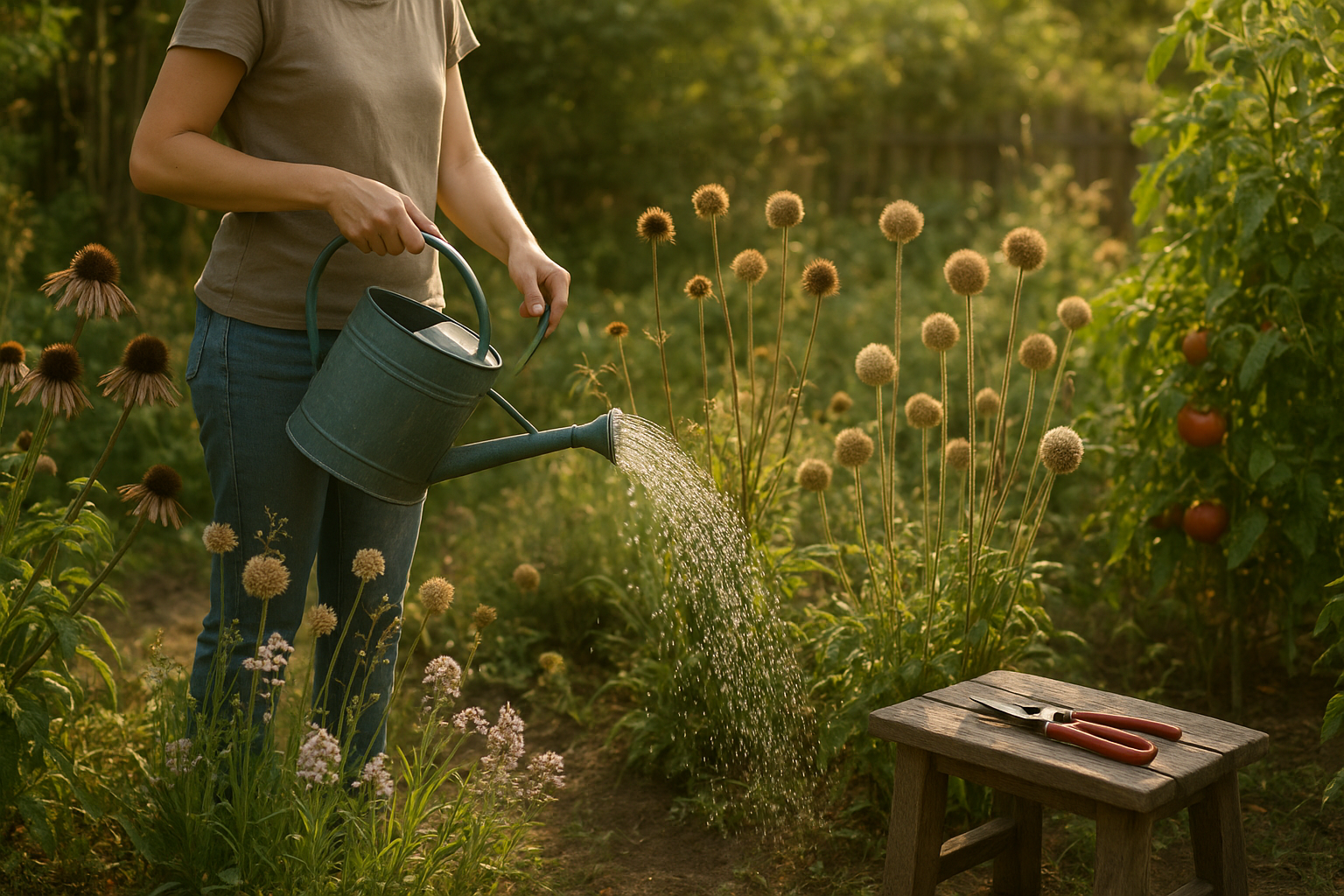
Seed heads from plants like coneflowers, black-eyed Susans, sunflowers, and ornamental grasses add more than visual interest. They feed birds, provide shelter for beneficial insects, and give self-seeding annuals a chance to return next year. If you want a fuller garden next season, letting a few flowers go to seed can be a smart shortcut.
Best approach:
- Deadhead plants that look ragged or have disease issues.
- Leave some seed heads on sturdy, healthy plants.
- Collect seed from favorite annuals if you want to replant in another spot.
If you like a tidy look, choose a middle ground: clean up the front border and leave the back corners more natural.
2. Put the fertilizer away for most perennials and shrubs
Late-season feeding can push plants into making soft new growth that will not have time to toughen up before cold weather arrives. That tender growth is more likely to be damaged by early frosts, temperature swings, or disease.
Many established perennials, shrubs, and trees are now focused on storing energy rather than building lots of new top growth. A fertilizer boost can interfere with that process. Unless a soil test or a plant-specific need says otherwise, hold off on feeding woody plants this late in the season.
Use fertilizer only when:
- You are growing container plants that still need regular bloom support.
- A soil test shows a true deficiency.
- You are following a crop-specific schedule for vegetables that still have a long harvest window.
For most landscape plants, water and mulch are more helpful than a late-season fertilizer application.
3. Prune less, not more
Heavy pruning in mid-August can trigger fresh growth when plants should be shifting into a slower, sturdier mode. That is especially true for shrubs and trees that need time to prepare for winter. A hard prune now may also remove flower buds for next year on plants that bloom on old wood.
There is one important exception: remove damaged, diseased, or broken branches whenever you see them. That is maintenance, not shaping. But save major pruning jobs for the right season, especially for spring-flowering shrubs like lilac, forsythia, and some hydrangeas.
What to do instead:
- Trim only obvious dead or broken growth.
- Lightly shape overgrown plants if necessary, but avoid major cuts.
- Mark branches that need a proper pruning session later in fall or winter.
If you are unsure whether a plant blooms on old wood or new wood, it is safer to wait than to accidentally cut off next year’s flowers.
4. Keep watering, but stop soaking on autopilot
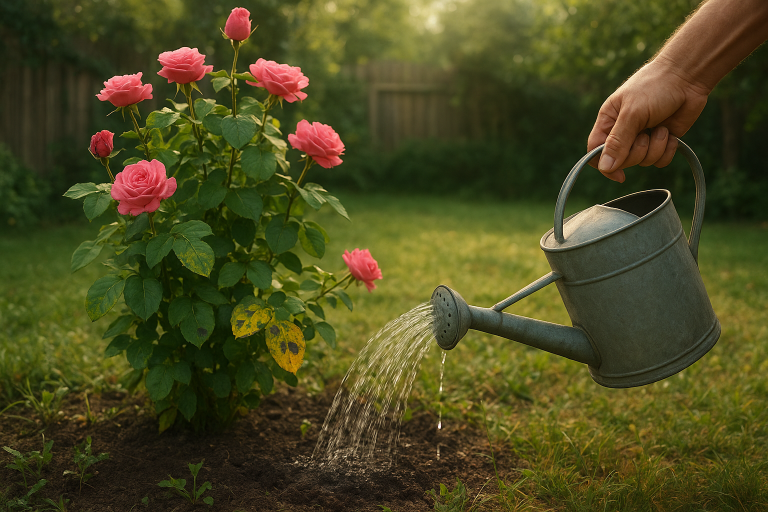
Late summer heat can trick gardeners into overwatering. While newly planted trees, shrubs, vegetables, and containers still need regular moisture, established beds often do better with deep, less frequent watering than with daily sprinkling.
Shallow watering encourages roots to stay near the surface, where they are more vulnerable to heat and drought. Deep watering encourages roots to grow downward, which makes plants more resilient. On the other hand, constantly wet soil can lead to root problems and wasted water.
A better watering routine:
- Check the soil before you water. If the top few inches are dry but the soil below is still moist, wait.
- Water early in the morning so leaves dry quickly.
- Focus on the root zone instead of spraying foliage.
- Give containers extra attention, since pots dry out much faster than garden beds.
A good rule of thumb is to water deeply once or twice a week in dry weather rather than giving every plant a little bit every day.
5. Don’t rush to remove every “messy” plant
Late August is when many gardens start looking a bit untidy: stalks flop, blooms fade, and some foliage browns. It can be tempting to clear everything out at once, but a perfectly bare garden is not always a healthier one.
Leaving some structure in place gives pollinators, birds, and beneficial insects places to rest and feed. It also helps you avoid removing plants that still have a job to do. Some stems are still flowering, some seed heads are still feeding wildlife, and some perennials are still moving energy into their roots.
Keep these jobs on your checklist instead:
- Pull diseased plant material and dispose of it properly.
- Cut back plants that have flopped into walkways or are blocking airflow.
- Leave healthy stems and seed heads until they have served their purpose.
A late-summer garden can look more relaxed and still be perfectly well cared for.
What to focus on instead of the old rules
If you are skipping a few routine chores, use that time for work that really matters right now. These tasks pay off in fall and next spring:
- Mulch bare soil to hold moisture and protect roots from heat.
- Remove weeds before they set seed so they do not multiply.
- Harvest herbs, beans, tomatoes, and squash regularly to keep production going.
- Check for pests and disease while problems are still manageable.
- Start planning fall planting for cool-season crops and bulbs.
If your garden feels tired, that is normal. Mid-August is not the time to demand another big burst of growth from every plant. It is the time to support what is already there and avoid doing harm in the name of neatness.
A simple mid-August garden checklist
When you are not sure what to do, ask three questions before you act:
- Will this help the plant finish the season well?
- Will it encourage tender new growth that frost could damage?
- Is this task better suited to spring, early summer, or dormancy?
If the answer suggests waiting, wait. That small pause can prevent unnecessary stress on your plants and save you a lot of work later. A garden does not need constant correction to thrive. Sometimes the best thing you can do is step back, water wisely, and let late summer run its course.