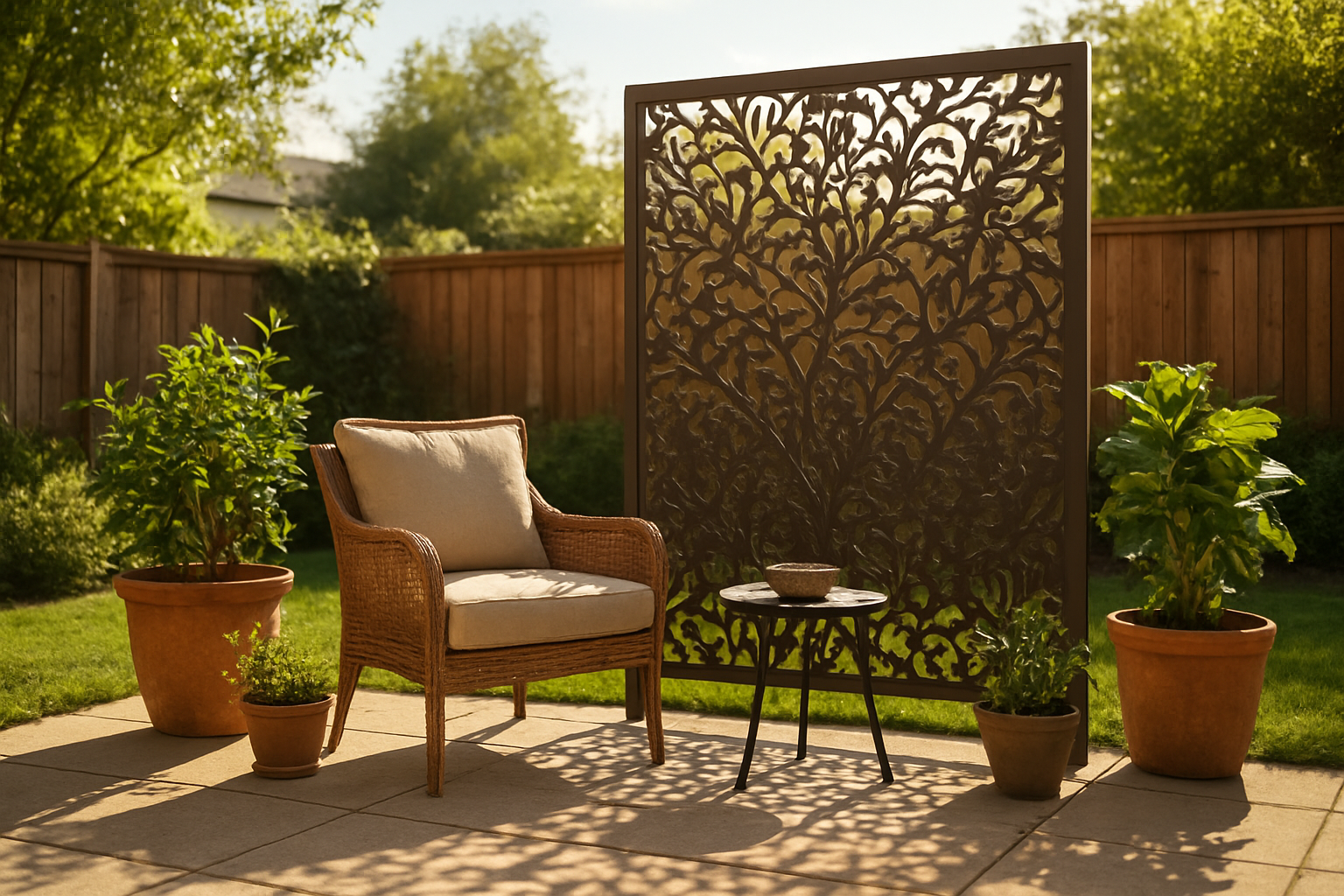
How to Use a Garden Privacy Screen for Shade and Style
A well-placed garden privacy screen can change how a backyard feels almost instantly. It softens harsh sun, adds a sense of enclosure, and makes an open patio feel more like an outdoor room without requiring a major build or permanent structure.
Because they’re freestanding and easy to move, these screens are one of the simplest ways to improve a yard fast. Whether you want more shade, a little seclusion, or a better layout for entertaining, the right screen can solve several problems at once.
Why a privacy screen is worth adding to your yard
Most people think of privacy screens as a way to block views, but they’re more versatile than that. A garden privacy screen can help you:
- create a cooler spot for seating on hot days
- separate dining and lounging areas
- hide utility items like trash bins or an outdoor condenser
- reduce the visual clutter of an open yard
- give climbing plants a structure to grow against
- add a decorative focal point to a plain patio
If your backyard feels unfinished, a screen can act like a wall without making the space feel boxed in. Choose the right material and pattern, and it can look more like garden décor than a barrier.
Choose the right type for your space
Not every screen works in every yard. Before you buy, think about where it will go and what job it needs to do. The best garden privacy screen for your space depends on sunlight, wind, and how often you plan to move it.
Metal screens
Powder-coated or galvanized metal screens are durable and tend to hold up well outdoors. They’re a smart choice if you want a modern look or a cutout pattern that casts attractive shadows. Metal can also be heavier than other materials, which helps in breezy areas.
Wood screens
Wood feels softer and more natural, especially in cottage-style or rustic gardens. It may need more upkeep than metal, but it blends beautifully with plants and can be painted or stained to suit your patio furniture.
Composite or resin screens
These are often low-maintenance and lightweight. They’re useful if you want easy setup and occasional repositioning, though they may not have the same decorative detail as metal or wood.
Fabric or slatted panels
Some privacy solutions use outdoor fabric or open slats rather than a solid panel. These can offer filtered shade and a lighter visual feel, which is helpful in smaller yards where you don’t want a heavy-looking divider.
Smart ways to use a garden privacy screen
The best part about a freestanding screen is that it can be used in more than one way over the course of a season. Here are some practical setups that work well in everyday yards.
1. Make a shady seating corner
If your patio gets blasted by afternoon sun, position a screen where it can interrupt the strongest rays. A patterned panel is especially useful because it reduces glare while still letting light through. That means you get comfort without turning the area gloomy.
For the best effect, place the screen so it blocks the low sun in late afternoon, then add a chair, small table, and a container plant or two. You’ll end up with a spot that feels private and noticeably cooler.
2. Split one patio into separate zones
Large patios can sometimes feel undefined. Use a screen to create an outdoor dining area on one side and a relaxing lounge area on the other. Even a single panel can help guide movement and make the space feel intentional.
If you entertain often, this is especially useful. Guests naturally understand where to gather, and the patio looks more organized without needing permanent walls or built-ins.
3. Hide something unsightly
Few backyards are perfectly photogenic all the time. A privacy screen can quickly disguise things you don’t want to see every day, such as:
- air-conditioning units
- trash and recycling bins
- garden tools
- pool equipment
- bare fences or service areas
Just make sure you leave enough space for airflow around mechanical equipment. Never block ventilation for anything that needs to breathe.
4. Create a planting backdrop
A screen can serve as a backdrop for potted plants or climbers. Try grouping containers in front of it with different heights and textures. If the screen has an open pattern or trellis-like design, you may also be able to train vines up it for added softness.
Good choices for screening and climbing accents include jasmine, clematis, black-eyed Susan vine, and sweet peas, depending on your climate and growing conditions.
How to keep it stable and safe
One of the biggest questions with a freestanding garden privacy screen is whether it will stay put. Stability matters, especially in open or windy spaces. Before setting it up, check the manufacturer’s recommendations for anchors or feet.
In general, these tips help:
- Use the right ground support. Some screens come with base plates, stakes, or hardware for soft ground and hard surfaces.
- Place it out of direct wind tunnels. Corners and open passages can catch more gusts than sheltered spots.
- Anchor it if needed. On a patio, weight or hardware may be necessary; in soil, stakes can help secure the panel.
- Leave a little breathing room. Don’t press the screen tight against walls or equipment.
If you live in a stormy area or often get strong wind, it’s smart to treat a privacy screen as a seasonal feature rather than a permanent wall. Being able to move it inside or out of the worst weather can help it last longer.
How to style a screen so it looks intentional
A garden privacy screen works best when it feels like part of the whole design. Instead of standing alone, let it connect with other elements in the yard.
- Repeat materials. Match the color of the screen to your planters, furniture, or fence details.
- Layer plants in front. Tall grasses, clipped shrubs, and container herbs can soften a hard edge.
- Add lighting nearby. String lights or lanterns help the area feel cozy at dusk.
- Keep the base neat. A tidy planting bed or a few large pots make the screen look purposeful.
If the screen has a decorative cutout, let the pattern shine by keeping the surrounding area simple. Too many competing elements can make the setup feel busy instead of calm.
What to look for before you buy
To avoid disappointment, measure the space first and think through how the screen will be used. A few details are worth checking before you bring one home:
- Height and width: Make sure it covers the sightline you want to block.
- Weight: Lighter screens are easier to move, but heavier ones often feel steadier.
- Material finish: Outdoor coatings help resist rust, fading, or weather damage.
- Assembly: Some screens go together quickly; others need more time and tools.
- Anchoring options: Important if your patio is exposed or your ground is uneven.
If you’re on a budget, one screen may be enough to make a noticeable difference. If you need more coverage, two panels can create a better sense of enclosure without requiring a full fence.
Simple upkeep to make it last
Most privacy screens are low-maintenance, but a little care goes a long way. Wipe them down occasionally to remove dust, pollen, and bird droppings. If the screen sits near sprinklers or damp soil, check it periodically for wear or rust.
At the end of the season, store lightweight screens in a dry spot if your climate is harsh. For heavier pieces, cover them if recommended by the manufacturer and inspect the base or fasteners before the next use.
The easiest backyard upgrade you’ll use again and again
A garden privacy screen is one of those rare outdoor purchases that solves multiple problems at once. It can cool a hot patio, create a tucked-away corner, and make the whole yard feel more polished with very little effort.
If your outdoor space needs a quick refresh, start with one screen and see how much it changes the layout. You may find that a simple panel is all it takes to turn an open area into a more comfortable place to relax, gather, and enjoy the garden.