How to Keep Squirrels From Digging Up Bulbs
Fall bulb planting should feel like a promise to your future self: a little effort now for a burst of color next spring. Unfortunately, squirrels, chipmunks, and even voles often treat freshly dug beds like an open buffet. If you want a simple way to keep squirrels from digging up bulbs, there’s a practical trick worth trying: crushed oyster shell grit.
This method works especially well for tulips and crocuses, which seem to attract hungry diggers almost as soon as they’re planted. It’s easy to use, relatively inexpensive, and has an extra benefit many gardeners love—better drainage around the bulbs.
Why bulbs get targeted in the first place
Spring-flowering bulbs store a lot of energy in a compact package, which makes them appealing to burrowing animals. Tulips are a favorite because they’re rich and soft enough to chew into, but crocus, hyacinth, and other bulbs can also get disturbed.
Animals usually don’t “hate” your garden; they’re simply following scent, texture, and instinct. A freshly turned bed can be especially attractive because it’s easy to dig and the soil is still loose. That’s why protecting bulbs at planting time is so important. Once a squirrel has found your bed, it may keep returning.
Why crushed oyster shell grit helps
Crushed oyster shell grit creates a rough, uncomfortable layer around the bulbs. When a squirrel or chipmunk starts digging, the sharp-edged pieces are unpleasant on paws and can discourage further digging. It’s not a guaranteed fortress, but it can be a strong deterrent when used properly.
There are two extra advantages:
- Improved drainage: Bulbs hate soggy soil. Grit helps water move through the planting area more freely, which can reduce rot.
- Slow-release calcium: Oyster shell breaks down gradually, adding calcium to the soil over time. That can support healthy root growth and overall plant vigor.
For many gardeners, it’s a better fit than laying chicken wire across the bed, especially if you want a neater look and easier planting.
What kind of grit to buy
Look for 100% crushed oyster shell grit or poultry grit made entirely from oyster shell. Some products sold as chicken grit are blended with limestone or other materials, which may not give you the same texture or long-term soil benefits.
Good labels to look for include:
- crushed oyster shell
- oyster shell poultry grit
- coarse shell grit
Avoid very fine powders. You want pieces with enough texture to feel gritty underfoot and around the planting hole. The rougher the shell fragments, the better the deterrent effect.
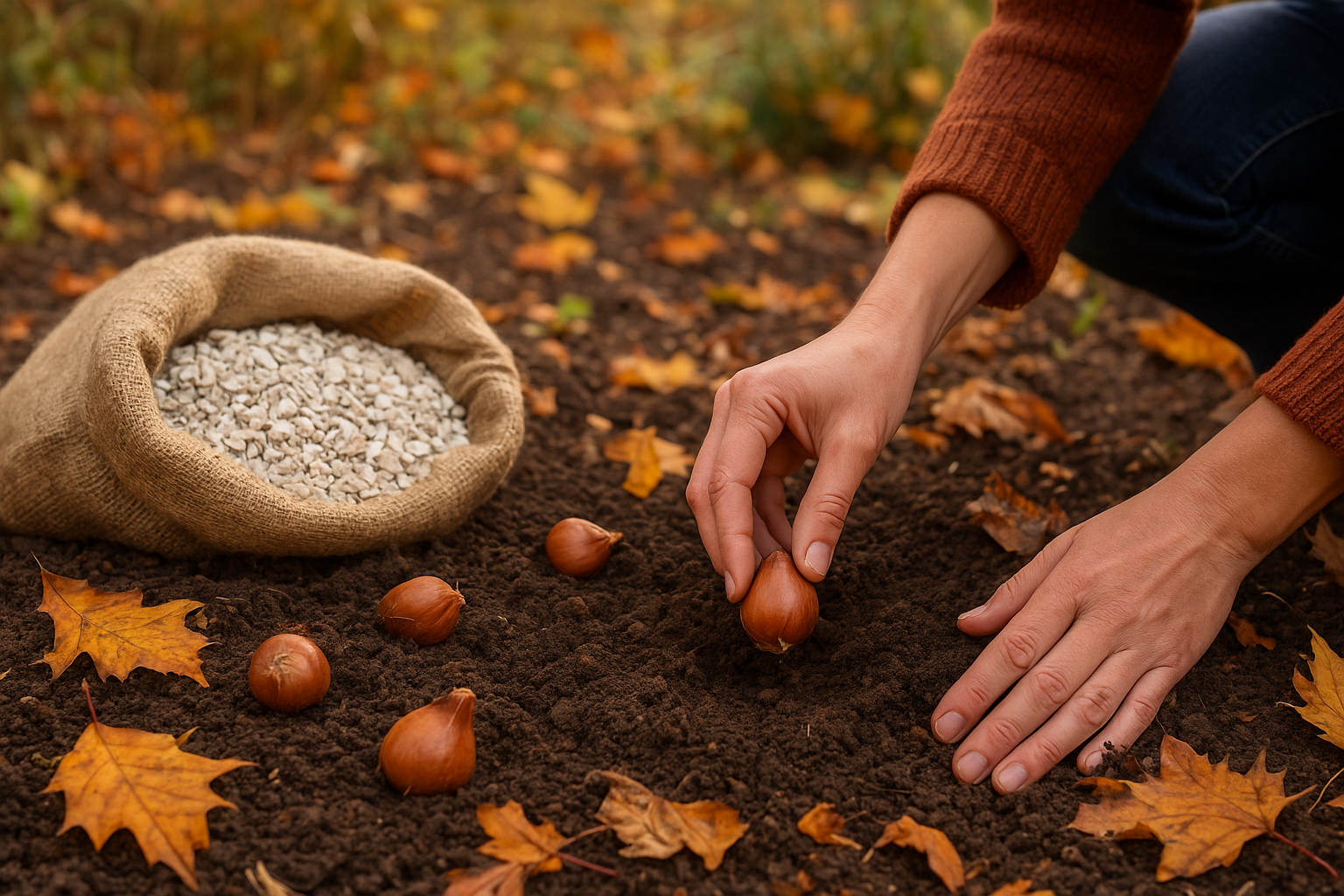
How to plant bulbs with oyster shell grit
You can use this method whether you’re planting a small cluster of tulips or a whole border of spring bulbs. Here’s a straightforward way to do it:
- Dig the planting hole to the proper depth for your bulb. A general rule is three times the bulb’s height.
- Loosen the soil at the bottom so roots can establish easily.
- Sprinkle a handful of oyster shell grit into the bottom of the hole.
- Place the bulb pointed side up, then add another light layer of grit around the sides.
- Backfill with soil and firm gently.
- Top the planted area with a thin scatter of grit over the surface if you’ve had repeat pest problems.
If the area is heavily targeted, you can also mix a little grit into the top few inches of soil around the bulbs rather than relying on a surface layer alone.
Best results come from layering your defenses
Oyster shell grit is effective, but it works even better when combined with a few smart planting habits. Think of it as one part of a pest-proofing plan, not the entire plan.
1. Plant bulbs at the correct depth
Shallowly planted bulbs are easier for animals to find and remove. Deep planting also helps bulbs stay more stable through weather changes.
2. Water the bed after planting
Light watering settles the soil around the bulbs and reduces the fresh-dig smell that can attract critters. Just don’t overwater, especially in heavy clay soil.
3. Cover with mulch carefully
Mulch can help hide disturbed soil, but keep it light so it doesn’t interfere with sprouting. If rodents are a serious problem, avoid thick, fluffy mulch right over the bulb row.
4. Plant less tempting bulbs nearby
Some gardeners mix in bulbs that pests are less likely to eat, such as daffodils, alliums, or fritillaries. That won’t stop every digger, but it can make the bed less appealing overall.
Where this trick works best
This method is most useful in areas where squirrels and chipmunks regularly disturb newly planted beds. It’s especially handy in front borders, raised beds, and containers where you want a tidy finish without visible wire.
It can also help in wetter climates because the gritty texture improves drainage, which is a major bonus for bulbs sitting in cool, damp fall soil. If you have clay-heavy ground, this small amendment can make a noticeable difference.
When you may need a stronger barrier
If your yard has a very persistent pest population, oyster shell grit may not be enough on its own. In those cases, combine it with a physical barrier such as hardware cloth under the soil surface or a basket around the bulb cluster.
Consider extra protection if:
- you’ve had repeated bulb losses in the same bed
- your garden borders mature trees where squirrels travel often
- you’re planting a large number of expensive tulip bulbs
Still, for many home gardens, the grit method is the sweet spot between effort, cost, and results.
Helpful planting tips for healthier spring blooms
Once the bulbs are protected, a few simple practices will help them perform well next year:
- Choose firm bulbs with no soft spots or mold.
- Plant in well-drained soil so the bulbs don’t sit in winter moisture.
- Label your planting spots so you don’t disturb bulbs later when gardening.
- Leave the foliage after blooming until it yellows naturally, so the bulb can recharge for next year.
Healthy bulbs are less likely to fail if they’re disturbed a little, so good soil prep and proper planting depth matter just as much as pest protection.
The bottom line
If squirrels keep turning your bulb beds into a digging zone, crushed oyster shell grit is a smart, low-fuss solution. It helps deter digging, supports drainage, and can give your spring display a better chance of thriving. Used alongside good planting habits, it’s one of the easiest ways to keep squirrels from digging up bulbs without making your garden look cluttered or overbuilt.
For gardeners who want a simple, natural approach, it’s a small change that can make a big difference when spring arrives.