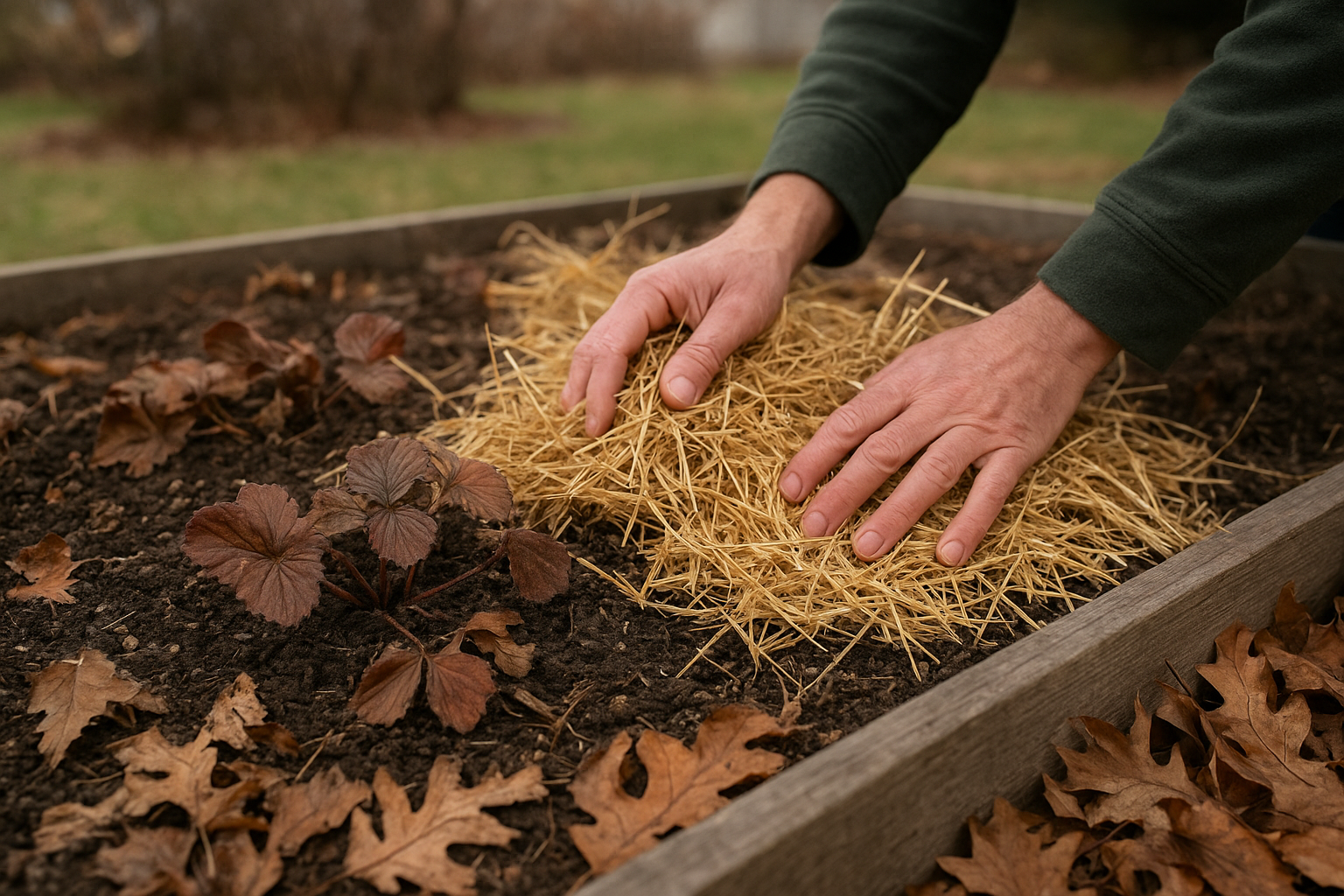
October Strawberry Care: 5 Steps to Winter-Proof Plants
October is a make-or-break month for strawberries. The plants may look like they are winding down, but the work you do now helps determine whether they survive winter comfortably and return with strong growth in spring. If you want to overwinter strawberries successfully, focus on simple tasks that protect the crown, reduce disease pressure, and keep roots from drying out or freezing too hard.
The good news is that strawberries do not need complicated care in fall. A few hours of attention in October can make a big difference, especially in colder climates or in beds that dry out fast. Whether your strawberries grow in the ground, in raised beds, or in containers, these steps will help them head into winter in better shape.
Why October Matters for Strawberries
Strawberry plants have shallow roots and a crown that sits close to the soil surface. That crown is the growing point of the plant, so it is especially vulnerable to cold snaps, frost heaving, and rot. Once winter sets in, plants are less able to recover from stress, which is why fall maintenance matters so much.
October is usually the last good window to prepare beds before hard freezes arrive. In milder areas, it may still be possible to plant new strawberry runners. In colder areas, the goal is to clean up, feed the soil lightly if needed, and put the bed to bed with protective mulch.
1. Clean Up the Bed Without Disturbing the Crowns
Start by removing damaged leaves, rotting fruit, and any weeds growing through the patch. Weeds steal water and nutrients, and dead plant debris can shelter pests or disease. That said, be gentle. Do not dig around the plants or bury the crown while cleaning.
Trim away only obviously dead or diseased foliage. Healthy green leaves can stay for now, since they still help the plant store energy before dormancy. If you see berries that never ripened, remove them so they do not rot near the plant base.
- Pull weeds by hand when the soil is slightly moist.
- Remove fallen fruit and mushy leaves from around the plants.
- Dispose of diseased material in the trash, not the compost pile.
- Avoid cutting into the crown or exposing roots.
2. Check Soil Moisture Before the Ground Freezes
Strawberries do not like sitting in soggy soil, but they also should not go into winter bone-dry. In October, give the bed a slow, deep watering if the weather has been dry and the soil feels dusty a few inches down. This is especially important for containers and raised beds, which dry out faster than in-ground plantings.
The goal is evenly moist soil, not wet soil. If the ground is already damp from seasonal rain, skip watering and focus on mulch and cleanup instead. Overly wet soil can lead to rot around the crown when temperatures drop.
A simple check is to press your finger into the soil near, but not against, the plant. If it feels dry below the surface, water early in the day so the bed is not soggy overnight. In containers, make sure excess water can drain freely from the bottom.
3. Remove Runners You Do Not Want to Keep
By October, many strawberry plants have sent out runners. These long stems can root into nearby soil and create new plants, which is useful in summer but messy in autumn. If you are not trying to expand your patch, trim unwanted runners now so the mother plant can focus on storing energy for winter.
If you do want to start new plants, only keep the strongest, healthiest rooted runners and transplant them while the soil is still workable. In most cases, though, fall is better for tidying than for encouraging new growth. Less crowded plants are easier to mulch and less likely to suffer disease in wet weather.
- Cut runners with clean snips instead of tearing them.
- Keep the best young plants only if they are well rooted.
- Do not let runners mat densely over the crowns.
4. Mulch at the Right Time and Depth
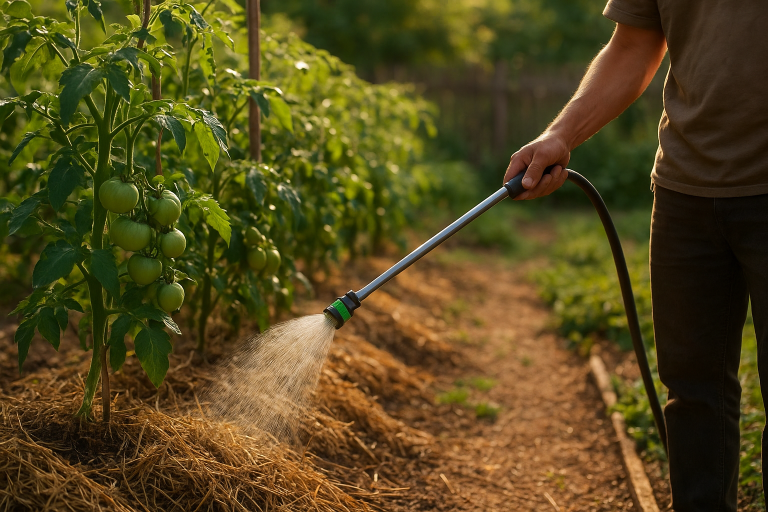
Mulch is one of the most important tools for overwinter strawberries. It insulates the crown, reduces freeze-thaw damage, and helps keep soil temperatures more stable. The trick is timing. Mulch too early and you may trap too much warmth, which can encourage weak growth. Mulch too late and a hard freeze can already have damaged the plants.
A good rule is to wait until the plants have started to harden off and the soil is cooling consistently, but before the ground freezes solid. In many regions, that means after several nights of near-freezing temperatures. You want the plants to be dormant or close to it before you cover them.
Clean straw is a classic choice because it is light, airy, and easy to remove in spring. Pine needles, shredded leaves, or chopped straw can also work if they are dry and free of disease. Avoid heavy, matted materials that can trap moisture tightly against the crowns.
- Apply enough mulch to cover the plants lightly and evenly.
- Leave crowns from being packed under heavy layers.
- Use clean, dry material to reduce mold risk.
- Mark the bed edge if snow may make it hard to find later.
If you garden in a windy spot, place the mulch a little thicker than usual or hold it in place with a few twiggy branches until it settles. Just remember to remove excessive mulch gradually in spring so new leaves can emerge without struggle.
5. Adjust Care for Containers, Raised Beds, and Mild Climates
Not every strawberry patch faces winter the same way. Plants in containers and elevated beds lose heat faster than in-ground beds, so they may need extra protection. Move pots against a sheltered wall, group containers together, or wrap them with insulation such as burlap or straw-filled bins. If possible, set them on wood or pot feet so they are not sitting directly on frozen ground.
Raised beds can also benefit from a thicker mulch layer because the sides of the bed expose roots to more cold air. In very windy or exposed yards, a temporary windbreak can reduce winter stress.
In warmer regions, winter prep may look different. Some gardeners in mild climates can plant new strawberries in fall rather than simply overwinter established ones. Even so, young plants still need regular moisture and some protection from sudden temperature swings. The key is to match your approach to your climate instead of following a one-size-fits-all routine.
Extra Tips for Healthier Spring Growth
Once your bed is mulched, resist the urge to keep checking under it. Strawberries need a period of dormancy, and too much disturbance can do more harm than good. Still, a little planning now pays off later.
- Label your varieties so you remember which plants perform best next year.
- Note problem spots in the bed where drainage is poor or weeds return quickly.
- Inspect after storms if mulch blows away or puddles form.
- Remove winter debris that piles up on top of the bed and compresses plants.
When spring arrives, uncover plants gradually. Rake mulch aside once hard freezes are mostly over, but keep it nearby in case a late cold snap returns. This slow transition helps new leaves emerge without shock.
The Bottom Line
If you want healthy strawberries next year, October is the month to act. Clean the bed, manage moisture, remove excess runners, and mulch at the right time. Those few simple jobs protect the crown through winter and give the plants a better start when the weather turns warm again.
With the right fall care, strawberries can bounce back quickly and reward you with strong foliage, better flowering, and a bigger harvest. A little effort now is often the difference between a patch that merely survives and one that really thrives.