5 Acid-Loving Plants to Plant in September for Color
If your hydrangeas bloom blue and your blueberries fruit like champions, your garden is probably working with acidic soil. That’s great news, because September is one of the best times to add more acid-loving plants that will settle in quietly now and reward you with blooms, foliage, or fruit next season.
Cooler air, warm soil, and more reliable fall rain help roots grow without the stress of summer heat. If you choose the right plants and give them a strong start, you’ll be setting up a more colorful, productive garden for years to come.
How to tell if your soil is acidic
The most accurate way to know is with a soil test. But a few garden clues can point you in the right direction. Blue hydrangeas, healthy azaleas, and vigorous blueberries are all common signs that your soil leans acidic rather than alkaline.
Most acid-loving plants prefer a pH below 6.5, and many do best in the 4.5 to 6.0 range. In soil that is too alkaline, they often struggle to absorb nutrients properly, which can lead to pale leaves, poor growth, and weak flowering.
Why September is such a good planting month
Fall planting gives shrubs and perennials time to focus on root growth instead of producing flowers or fruit right away. The soil is still warm from summer, but the air is cooler, so plants lose less moisture through their leaves. That means less stress and better establishment before winter.
For many acid-loving ornamentals, getting planted in September can mean stronger growth and better blooms the following spring. In cooler regions, aim to plant early enough that roots have several weeks to settle in before the ground freezes.
5 acid-loving plants to add this fall
1. Azalea
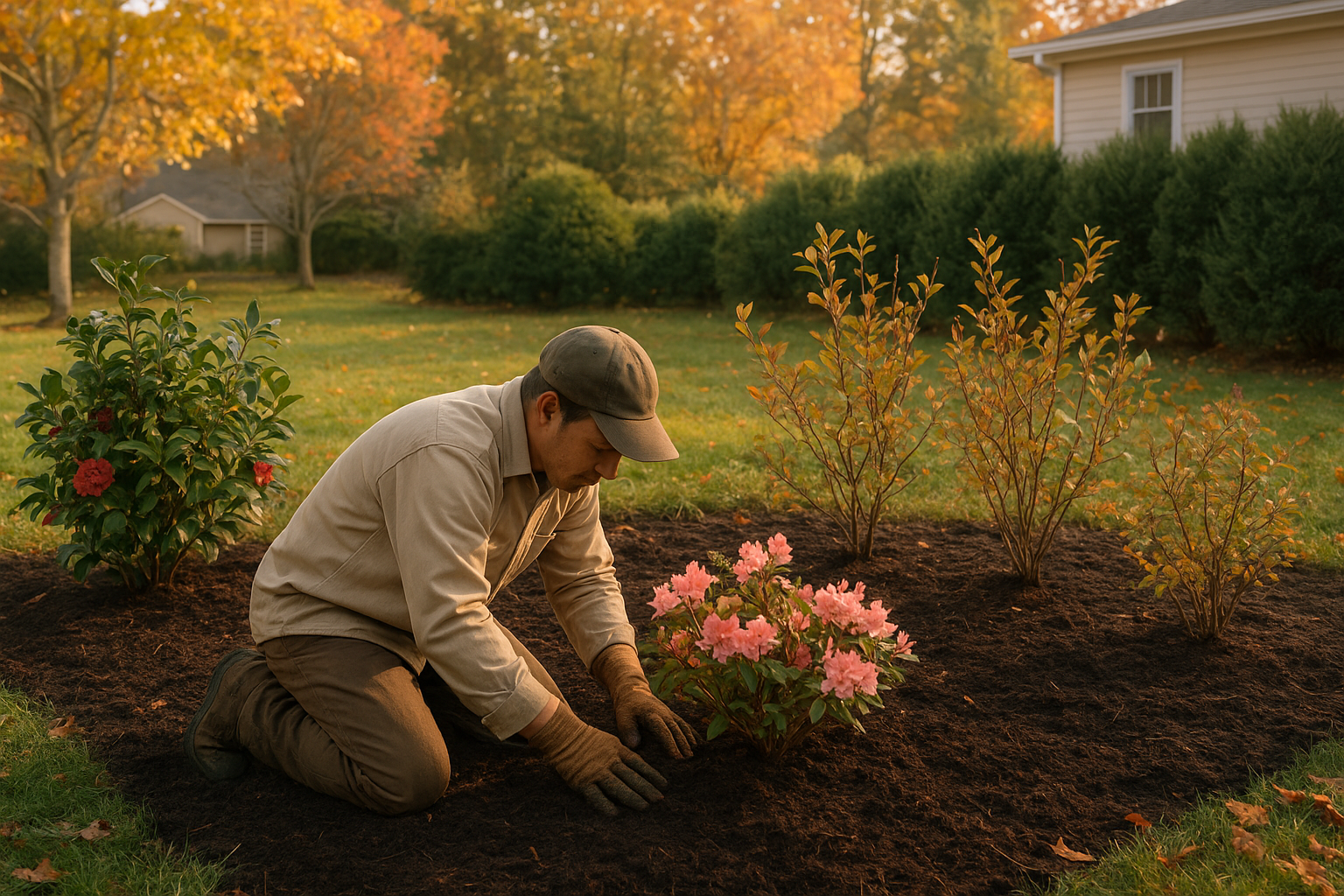
Azaleas are classic shade garden shrubs that bring big spring color in pink, red, orange, white, and purple. They prefer acidic, well-drained soil and do especially well in partial shade, where afternoon sun won’t scorch their leaves.
Best for: foundation beds, woodland gardens, mixed shrub borders
Planting tip: Set azaleas high enough that the root flare sits slightly above soil level, then mulch lightly with pine bark or shredded leaves.
2. Camellia
Camellias are glossy-leaved evergreen shrubs with elegant blooms that can appear in fall, winter, or early spring depending on the variety. They thrive in acidic soil and appreciate protection from harsh afternoon sun and drying winds.
Best for: sheltered beds, partial shade, evergreen structure
Planting tip: Give camellias consistent moisture, especially during their first year, but avoid soggy soil.
3. Rhododendron
Rhododendrons are close relatives of azaleas and share the same love of acidic soil. Many varieties offer large clusters of blooms and handsome evergreen foliage that adds year-round interest. They are especially useful in larger landscape beds where their full shape can really show off.
Best for: specimen planting, mixed shade borders, mass plantings
Planting tip: Use a loose, acidic planting mix if your native soil is heavy clay or tends to hold too much water.
4. Heather
Heather brings fine texture and small, colorful flowers that brighten the garden when many other plants are fading. It likes acidic soil, good drainage, and full sun. Once established, it can create a low-maintenance carpet of color in the right spot.
Best for: rock gardens, slopes, borders, low ground cover
Planting tip: Heather dislikes wet feet, so improve drainage before planting if your soil stays damp after rain.
5. Blueberry bushes
If your soil already favors blueberries, it may be worth adding another variety for better cross-pollination and a longer harvest window. These shrubs are not only productive but also attractive, with spring flowers, summer berries, and fiery fall foliage in many climates.
Best for: edible landscapes, hedgerows, backyard fruit patches
Planting tip: Plant at least two compatible varieties for stronger yields, and keep the root zone evenly moist with mulch.
How to plant acid-lovers successfully
Even plants that naturally prefer acidic soil need the right setup. A good planting start matters just as much as the soil pH.
- Check drainage first. Acid-loving plants dislike compacted, waterlogged ground. If water puddles after rain, consider raised beds or a better-draining site.
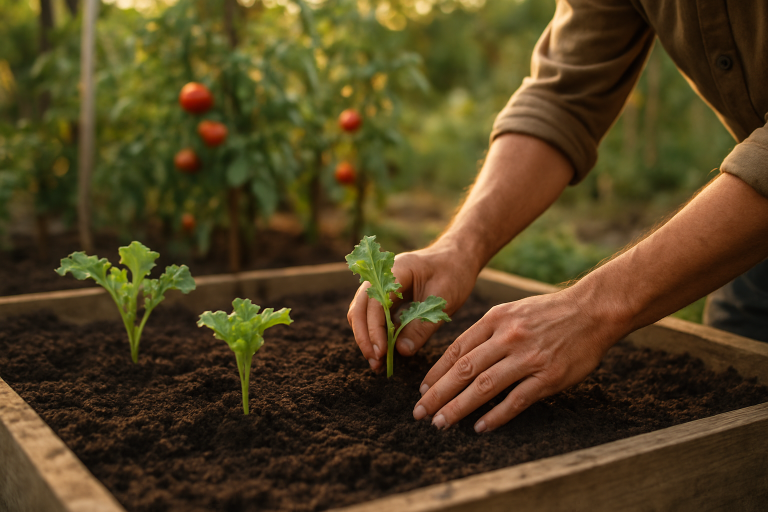
- Dig a wide hole, not a deep one. Loosen the soil 2 to 3 times wider than the root ball so roots can spread easily.
- Amend thoughtfully. Blend in organic matter such as pine bark fines, composted leaves, or peat-free acidic planting mix if your soil needs help.
- Mulch well. A 2- to 3-inch layer of pine bark, pine needles, or shredded leaves helps hold moisture and supports acidity over time.
- Water deeply. Newly planted shrubs need regular moisture until roots are established. Water at the base, not overhead.
If your soil is only mildly acidic
You do not always need to overhaul your whole yard. Many gardeners create a dedicated acid-loving bed instead. That lets you control the pH more easily and group plants with similar needs in one spot.
For a small space, try combining azaleas, a camellia, and a few low-growing heathers. In a larger area, add blueberries for harvest and structure. Just remember that acid-lovers do best when their needs stay consistent, so avoid lime-heavy fertilizers or soil additives unless a soil test recommends them.
Simple fall care for stronger spring growth
Once your plants are in the ground, a little seasonal care goes a long way.
- Keep watering until the first hard frost, especially during dry spells.
- Remove weeds regularly so young roots aren’t competing for moisture and nutrients.
- Skip heavy pruning in fall; save shaping for the correct season for each plant.
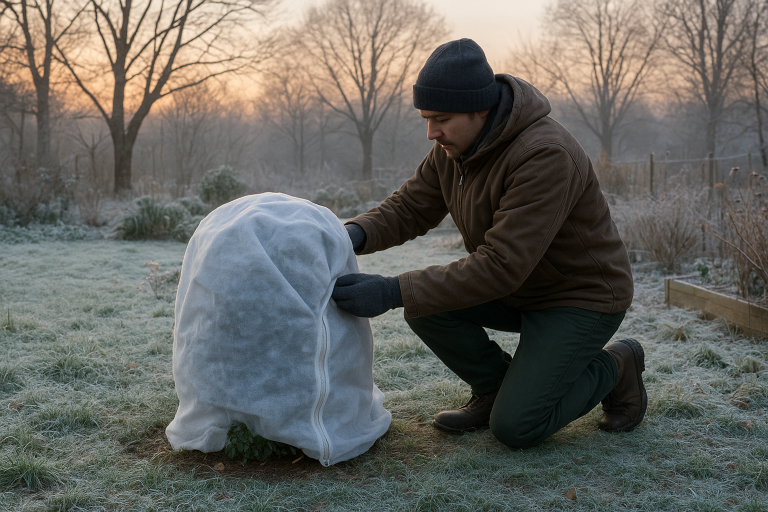
- Protect tender new plants with extra mulch if winter temperatures drop sharply.
- Refresh mulch each spring to keep soil moisture steady and roots cool.
The bottom line
If hydrangeas and blueberries are already thriving in your yard, you have a head start on building a beautiful acid-loving garden. September is the perfect window to add shrubs and berry bushes that will establish now and burst into growth when the weather warms again.
Start with a soil test if you want certainty, then choose plants that fit your space, light, and drainage. With the right fall planting strategy, your garden can be fuller, healthier, and more colorful next year.