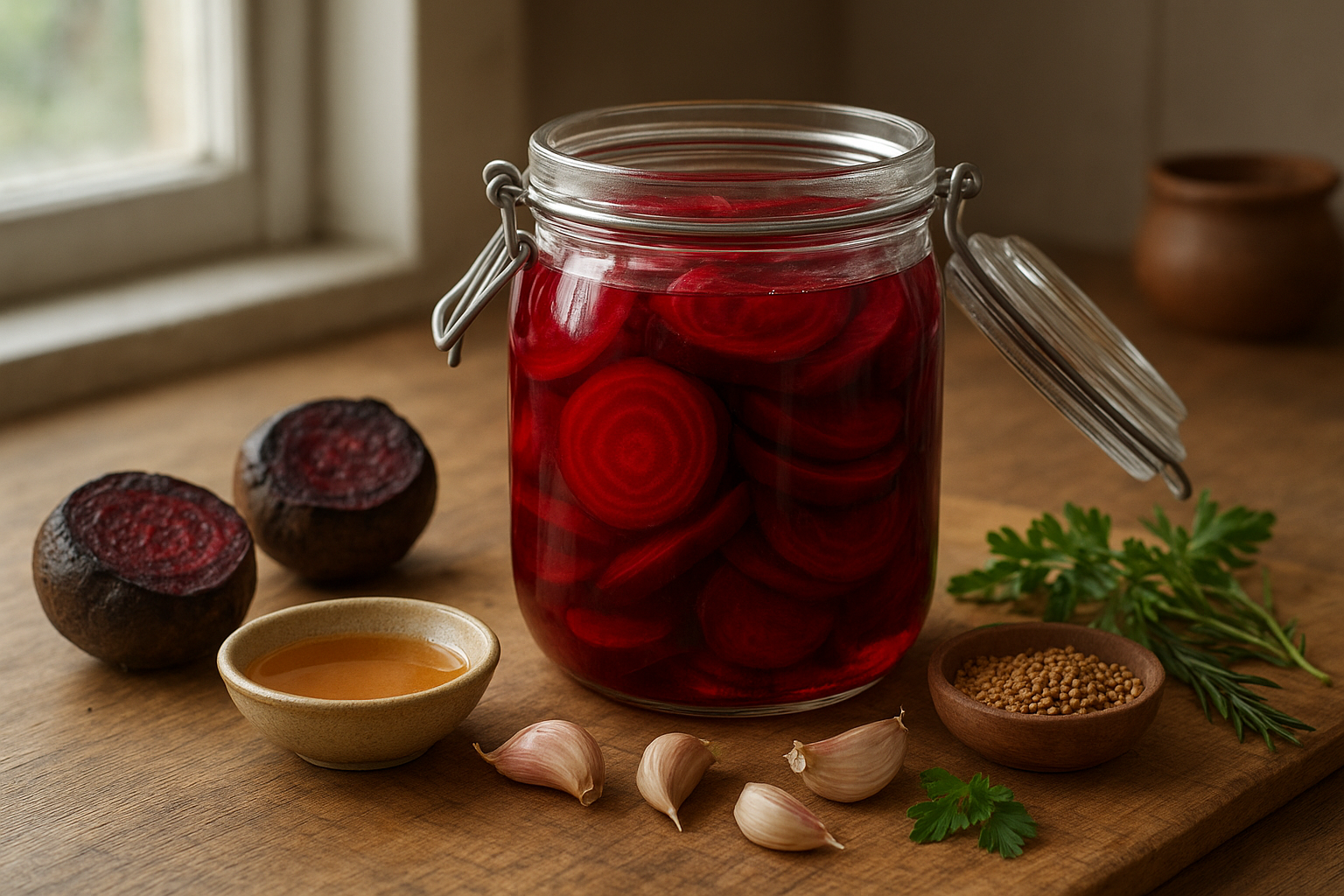
Quick Pickled Beets with Garlic and Mustard Seeds
Quick pickled beets are one of those simple kitchen projects that pay off all week long. Roasting brings out their natural sweetness, and a fast vinegar brine gives them a bright, savory edge that works in far more dishes than most people expect.
If you’ve only had pickled beets from a store shelf, making them at home is worth the small effort. The flavor is fresher, you can control the sweetness and saltiness, and the beets stay pleasantly tender instead of turning mushy.
Why make quick pickled beets?
These are not the long-fermented kind of pickles that need days or weeks to develop. Instead, the beets are cooked, sliced, and soaked in a hot brine so they absorb flavor quickly. That means you can make them in an afternoon and start using them the same day or the next.
They’re also incredibly versatile. A spoonful of pickled beets can brighten a grain bowl, add color to a lunch plate, or bring balance to a rich sandwich. They’re especially handy if you like to meal prep because they hold well in the refrigerator and taste even better after a day or two.
Ingredients you’ll need
For the best flavor, keep the ingredient list simple and let the beets do the work. Here’s what to use:
- Fresh beets: Any color works, though red beets give the classic deep ruby look.
- Apple cider vinegar: Adds a mellow tang that pairs well with earthy beets.
- Water: Softens the brine so it doesn’t overpower the beets.
- Sugar: Balances the vinegar and highlights the beet’s natural sweetness.
- Salt: Essential for flavor and for a more rounded pickle taste.
- Garlic: Adds a savory note and keeps the brine from tasting one-dimensional.
- Mustard seeds: Give the pickles a subtle bite and classic deli-style flavor.
You can also add a bay leaf, a pinch of red pepper flakes, or a few black peppercorns if you want a little extra complexity.
How to make quick pickled beets
1. Roast the beets
Roasting is the easiest way to cook beets for pickling because it concentrates their flavor and keeps them from getting waterlogged. Scrub them clean, trim the tops, and wrap them in foil or place them in a covered baking dish with a splash of water. Roast at 400°F until they’re tender when pierced with a fork.
Once they’re cool enough to handle, slip off the skins. A paper towel can help rub the skins away cleanly, though wearing gloves is a smart move if you want to avoid stained hands.
2. Slice or wedge them
Slice the beets into rounds, half-moons, or wedges depending on how you plan to use them. Thin slices marinate faster and are nice for sandwiches. Thicker wedges hold their shape well and are great for snacky, fork-and-plate servings.
3. Make the brine
In a saucepan, combine apple cider vinegar, water, sugar, salt, smashed garlic, and mustard seeds. Bring it just to a simmer, stirring until the sugar and salt dissolve. The goal is a hot, balanced brine, not a harsh one.
4. Pack and pour
Place the beets in a clean jar or container. Pour the hot brine over them until they’re covered. If the beets float, press them down with a clean spoon or add a small piece of parchment or a fermentation weight to keep them submerged.
5. Chill and wait
Let the jar cool to room temperature, then cover and refrigerate. The beets will be tasty after a few hours, but the flavor improves after about 24 hours.
Practical tips for better pickled beets
- Use evenly sized beets: They’ll roast at the same rate, which makes prep much easier.
- Don’t overcook them: Tender is good; falling apart is not. Slightly firm beets hold up better in the brine.
- Slice before pickling: Smaller pieces absorb flavor faster than whole beets.
- Taste the brine before pouring: If you like a sharper pickle, add a splash more vinegar. If you want it softer, add a little more water or sugar.
- Use a glass container: It won’t stain or react with the vinegar like some metals can.
Easy flavor variations
Once you know the basic method, it’s easy to adjust the seasoning to match how you plan to serve the beets.
- Warm and spiced: Add cinnamon, cloves, or allspice for a deeper, holiday-style flavor.
- More savory: Increase the garlic and add black peppercorns or dill seeds.
- Brighter and herbier: Add fresh dill or thyme after the brine cools a bit.
- Less sweet: Reduce the sugar slightly and let the vinegar come forward.
If you enjoy a stronger pickle punch, a small amount of mustard seed and garlic goes a long way. If you prefer a gentler profile, keep the spices light and let the beet flavor stay front and center.
Ways to use pickled beets
Pickled beets are much more than a side dish. Try them in:
- Salads: Pair with goat cheese, walnuts, arugula, or citrus.
- Sandwiches: Layer into turkey, hummus, or roast beef sandwiches for color and crunch.
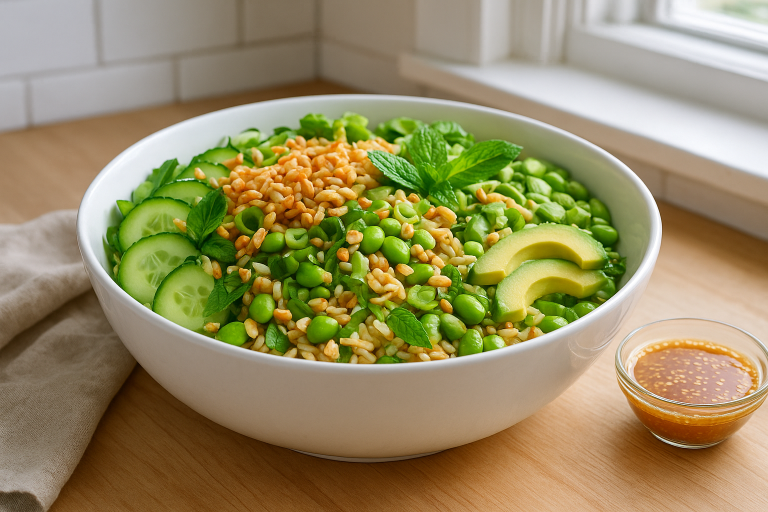
- Grain bowls: Add to quinoa, farro, rice, or lentil bowls.
- Snacks: Serve chilled with cheese and crackers.
- Breakfast: Chop and tuck into avocado toast or savory egg plates.
They’re also great alongside rich foods like roasted chicken, pulled pork, or creamy mashed potatoes because the acidity cuts through heavier flavors.
Storage and make-ahead notes
Stored in the refrigerator, quick pickled beets usually keep for about two to three weeks, sometimes longer if everything stays clean and chilled. Use a clean fork each time you scoop some out to help them stay fresh.
If you’re planning for the week, make a double batch. The beets will deepen in color and flavor as they sit, which makes them ideal for lunches and last-minute dinners. For the best texture, use them within the first ten days.
Common questions
Can I use pre-cooked beets?
Yes. Store-bought cooked beets can save time. Just slice them and add them to the hot brine. The flavor may be slightly milder than roasted beets, but they’re still delicious.
Do I need to can them?
No. This is a refrigerator pickle, so it’s meant to be kept chilled and used relatively quickly. It’s a great option when you want the flavor of pickled beets without the full canning process.
Can I make them with other vinegars?
Apple cider vinegar is a reliable choice, but white wine vinegar or distilled white vinegar can work too. Each one changes the flavor a bit, so choose the one that fits your taste.
Final thought
Quick pickled beets are one of the easiest ways to turn a humble vegetable into something bold and useful. With a short ingredient list and a few simple steps, you get a colorful jar that brings sweet, tangy, savory flavor to meals all week long.
Whether you’re topping a salad, building a sandwich, or snacking straight from the fridge, this is the kind of recipe that earns its place in the regular rotation.