Butternut Squash Lasagna with Sage Béchamel
When the weather turns cool, few dinners feel as comforting as a bubbling pan of butternut squash lasagna. This version brings together sweet roasted squash, savory mushrooms, wilted kale, creamy cheese, and a sage-infused béchamel for a layered vegetarian meal that feels special enough for guests but practical enough for a weekend dinner.
The best part is that each component is simple on its own. Once the squash is roasted, the vegetables are cooked down, and the sauce is ready, the lasagna comes together with very little fuss. It also makes excellent leftovers, which means you can enjoy a slice now and another the next day with even better flavor.
Why this lasagna works so well
Classic lasagna is all about balance, and this fall version keeps that same spirit. The squash adds natural sweetness and a silky texture, while the mushrooms and kale provide depth and a little bite. The béchamel ties everything together with a buttery, herby richness that keeps the filling from tasting too heavy.
If you have ever worried that a vegetable lasagna might turn watery, this recipe is designed to avoid that. The squash is roasted until very tender, the mushrooms are cooked until their moisture evaporates, and the kale is wilted just enough to soften without releasing excess liquid. Those steps make a big difference in the final texture.
What you’ll need
You do not need fancy ingredients to make this dish taste impressive. A few basic supermarket items are enough:
- Butternut squash for the creamy, sweet base
- Lasagna noodles, regular or oven-ready depending on your preference
- Mushrooms for a savory, meaty layer
- Kale for color and a hearty green note
- Ricotta or cottage cheese for creaminess in the squash mixture
- Mozzarella for melt and stretch
- Butter, flour, and milk for the béchamel
- Fresh sage for a warm, woodsy finish
If you want to make the lasagna even more filling, you can add a little parmesan between layers or use a blend of mozzarella and fontina for extra flavor.
How to build the layers
Think of the lasagna in four main parts: noodles, squash puree, vegetables, and béchamel. The goal is to spread each layer evenly so the finished casserole slices neatly instead of sliding apart.
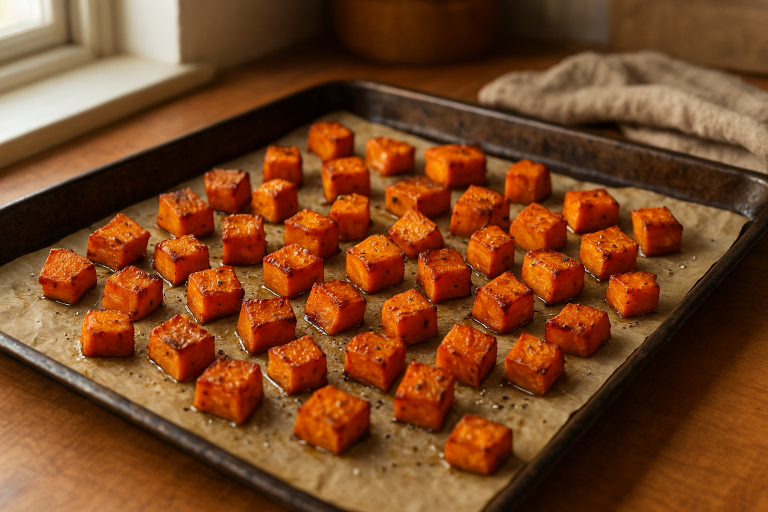
- Roast the squash. Cut the squash in half, scoop out the seeds, and roast it cut-side down until very soft. Roasting deepens the flavor and makes the flesh easy to scoop.
- Cook the vegetables. Sauté the mushrooms until they release their liquid, then keep cooking until that moisture evaporates and they start to brown. Add the kale and cook just until wilted.
- Make the sauce. Blend the squash with cheese and a little broth or milk until smooth and spreadable. In a separate pan, brown the butter with sage, whisk in flour, then milk, and cook until thickened.
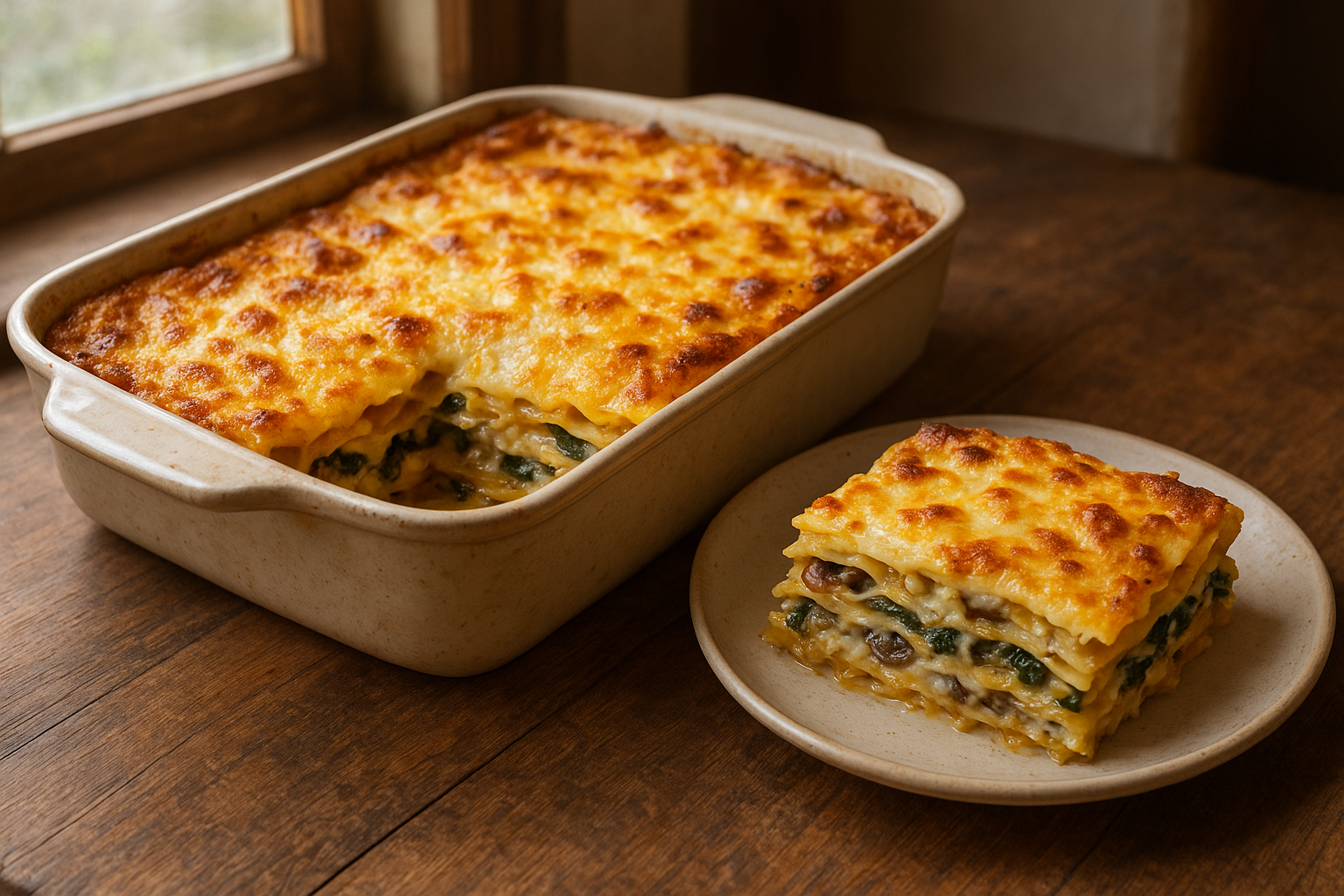
- Assemble. Start with sauce on the bottom of the pan so the noodles do not stick. Layer noodles, squash mixture, vegetables, cheese, and béchamel, repeating until the dish is full.
- Bake and rest. Cover the pan for most of the bake so everything heats through, then uncover at the end to brown the top. Let it rest before slicing so the layers can set.
Practical tips for the best results
Choose the right squash
Look for a squash with firm skin and a heavy feel for its size. A smaller or medium squash is usually easier to handle and tends to have a sweeter, smoother flesh. If cutting raw squash feels intimidating, microwave it for a minute or two first to soften the skin slightly.
Do not rush the mushrooms
Mushrooms need space in the pan. If they are crowded, they steam instead of brown. Browned mushrooms bring more flavor and help keep the lasagna from becoming wet. If your pan is small, cook them in batches.
Use the béchamel as insurance
The sauce does more than add flavor. It helps the noodles cook evenly and keeps the dish creamy after baking. If your lasagna seems dry as you assemble it, add a little extra sauce to the edges and corners.
Season each layer
Vegetable lasagna tastes best when every layer is seasoned. A little salt in the mushrooms, a pinch in the squash mixture, and proper seasoning in the sauce keep the finished dish from tasting flat.
Make-ahead and storage tips
This is an excellent make-ahead dinner. You can roast the squash and cook the vegetables a day in advance, then refrigerate them until you are ready to assemble. The sauce can also be made ahead, but if it thickens too much in the fridge, warm it gently with a splash of milk before using.
Leftover lasagna keeps well in the refrigerator for up to four days. Store slices in an airtight container, and reheat them in the oven or microwave until hot. For the best texture, add a small splash of water or milk before reheating so the noodles stay tender.
You can also freeze baked lasagna in individual portions. Wrap slices tightly and freeze for up to three months. Thaw overnight in the refrigerator before reheating.
Easy swaps and variations
If you like to adapt recipes to what you already have, this one is flexible.
- Swap the greens: Spinach, Swiss chard, or lacinato kale all work well.
- Use a different cheese: Cottage cheese, ricotta, or even a little mascarpone can stand in for one another depending on what you have.
- Make it extra savory: Add a pinch of nutmeg to the béchamel or a little grated parmesan to the layers.
- Try another mushroom: Cremini are easy to find, but shiitake or mixed wild mushrooms add deeper flavor.
- Go gluten-free: Use gluten-free noodles and replace the flour in the sauce with a gluten-free thickener designed for roux-based sauces.
Serving ideas
This lasagna is rich enough to stand on its own, but a simple side makes dinner feel complete. A crisp salad with lemon vinaigrette balances the creamy layers, while roasted broccoli or green beans add extra vegetables without competing with the main dish. For a cozier meal, serve it with warm bread to soak up any sauce left on the plate.
For a prettier presentation, let the lasagna rest before cutting and use a sharp knife to make clean slices. A sprinkle of chopped sage or a little parmesan on top just before serving adds a nice finishing touch.
Why it’s worth the extra effort
Lasagna takes a little more time than a weeknight skillet dinner, but this kind of meal rewards the effort. The flavors are layered, the texture is rich without being overly heavy, and the leftovers are genuinely satisfying. If you want a vegetarian centerpiece for fall or winter, butternut squash lasagna is a dependable choice that feels comforting, homemade, and a little bit celebratory.
Once you make it, you may find yourself returning to it whenever you have a squash on the counter and a craving for something cozy. It is the kind of recipe that turns simple ingredients into a dinner people remember.