
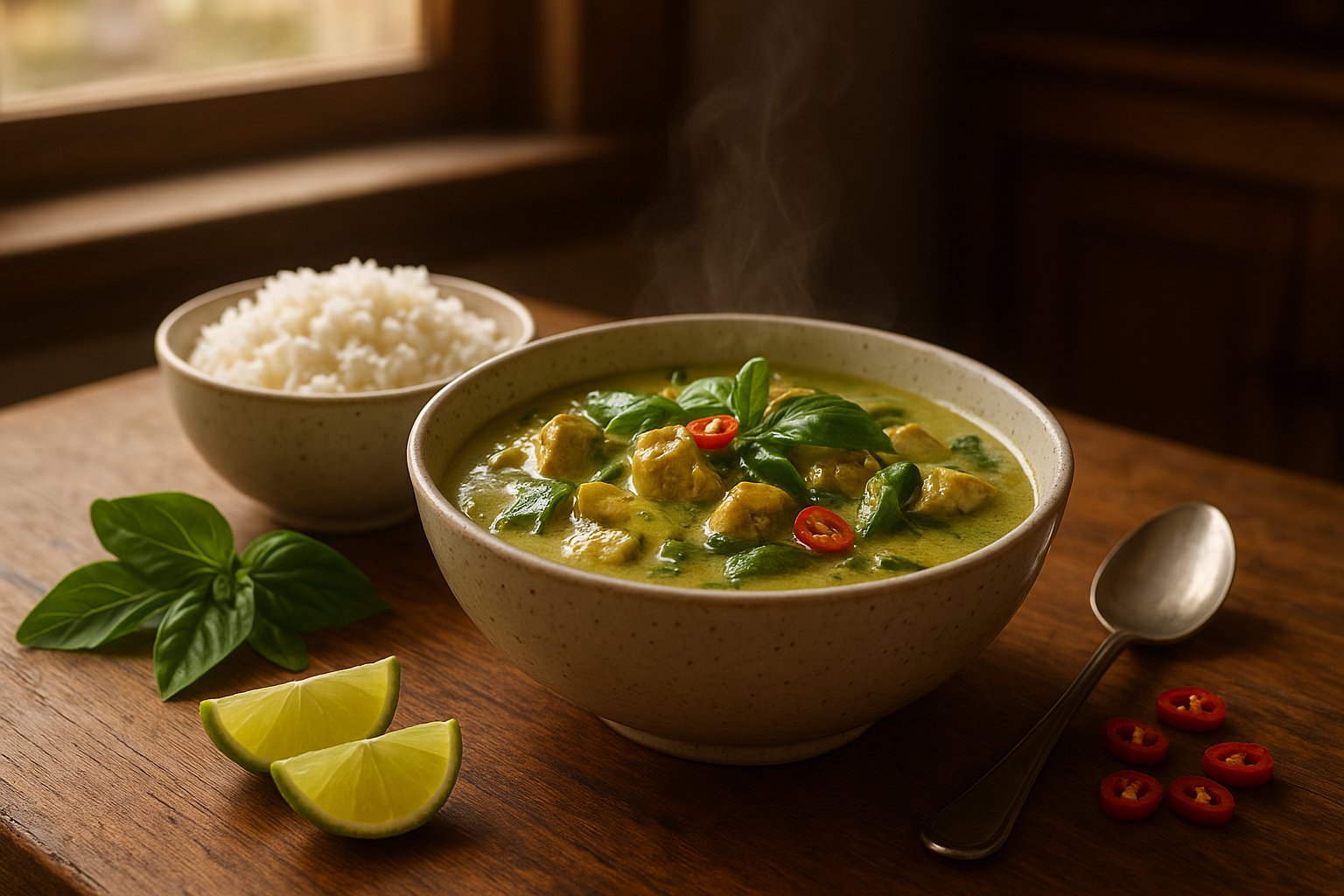
Green Curry Recipe Challenge: A Fun September Dinner Idea
If you want a dinner that feels special without being complicated, a green curry recipe is a great place to start. It’s bold, comforting, and flexible enough to suit different tastes, which makes it ideal for a family meal, a casual dinner party, or even a month-long cooking challenge with friends.
The best part is that green curry rewards small changes. You can keep it vegetarian, add chicken or shrimp, adjust the heat, or pack it with vegetables you already have. That flexibility is what makes it such a good “cook along” recipe for home cooks of all skill levels.
Why green curry works so well for group cooking
Some recipes are too fussy for a shared challenge. Green curry is the opposite. The base is simple: green curry paste, coconut milk, aromatics, protein or vegetables, and a few finishing ingredients. Once you know the pattern, it’s easy to make it your own.
It also sparks conversation. One person may love extra basil, another may want more lime, and someone else may prefer a milder version. That kind of customization makes the meal feel personal while still keeping one shared theme.
What you need for a great green curry
You do not need a long ingredient list to make a satisfying curry at home. Focus on a few building blocks:
- Green curry paste: The flavor base. Brands vary in spice level, so start with less if you’re unsure.
- Coconut milk: Use full-fat for the richest texture and best balance.
- A protein or hearty vegetables: Chicken, tofu, shrimp, eggplant, zucchini, bell peppers, or green beans all work well.
- Aromatics: Garlic, ginger, onion, or shallot help round out the flavor.
- Finishers: Lime juice, fish sauce or soy sauce, fresh basil, cilantro, and sliced chilies add brightness.
If you’re shopping for a dinner challenge, this is a recipe that rewards fresh produce but won’t punish you if you rely on pantry staples. Frozen vegetables can absolutely save the day.
How to build flavor in the pan
The difference between a flat curry and a memorable one often comes down to how you cook the paste. Instead of dumping everything into the pot at once, take a minute to toast the paste in oil or the thick cream from the top of the coconut milk. This helps wake up the aromatics and deepen the flavor.
After that, stir in the remaining coconut milk and let the sauce simmer gently. Avoid a hard boil, which can make the coconut milk separate and can dull the freshness of the herbs and lime you add later.
A practical rule: build layers. First the paste, then the sauce, then the main ingredients, then the finishing seasonings. Each step adds something the last one doesn’t.
Easy ingredient swaps
One reason green curry is a good challenge recipe is that it adapts well to what’s already in your kitchen. Here are some easy swaps that still produce a delicious result:
- Chicken: Use tofu, tempeh, chickpeas, or mushrooms for a vegetarian version.
- Thai basil: Use regular basil if that’s what you have, or a mix of basil and cilantro.
- Fish sauce: Replace with soy sauce or tamari for a vegetarian-friendly option.
- Fresh chilies: Add chili flakes or a small spoonful of chili paste if fresh peppers are unavailable.
- Vegetables: Use whatever is in season—snap peas, spinach, carrots, cauliflower, or baby corn all fit the style.
If you are cooking for mixed preferences, consider making a mild version and putting chili oil, sliced peppers, or extra curry paste on the table for people who want more heat.
A simple serving plan for a relaxed dinner
Green curry is usually at its best served with plain rice, which soaks up the sauce and keeps the meal balanced. Jasmine rice is the classic choice, but brown rice or even rice noodles can work if that’s what your household prefers.
To make the meal feel complete without adding much work, serve it with one or two easy sides:
- Steamed jasmine rice
- Cucumber slices with a pinch of salt
- Quick-pickled carrots or radishes
- Toasted cashews or peanuts for crunch
- Lime wedges and fresh herbs at the table
That little bit of contrast makes the meal feel restaurant-worthy, even on a weeknight.
Green curry recipe challenge tips
If you want to turn this into a fun cooking challenge, keep the rules simple. The goal is not perfection; it’s participation. Here are a few ideas that make the experience more enjoyable:
- Pick one base recipe. Choose a trusted green curry formula and let everyone start from the same place.
- Set one change rule. Each cook can make one personal adjustment, such as changing the protein, adding a vegetable, or adjusting the spice level.
- Share what worked. Ask each person to note one thing they’d keep and one thing they’d change next time.
- Take a photo before eating. A quick picture helps you remember the version you made and compare ideas later.
- Write down substitutions. If someone uses a different brand of curry paste or a different vegetable, that note may help another cook later.
This turns dinner into a low-pressure learning experience. You end up with a better sense of what flavors your family likes most, and you may discover a new go-to meal.
What to do if the curry tastes too spicy or too bland
Every curry cook has a few trial-and-error moments. Luckily, most problems are easy to fix.
If it’s too spicy
- Add more coconut milk.
- Serve with extra rice.
- Stir in a little sugar or honey to soften the heat.
- Finish with lime juice only after the flavor is balanced.
If it tastes flat
- Add salt or fish sauce/soy sauce in small amounts.
- Brighten it with lime juice.
- Simmer the curry a few minutes longer so the flavors meld.
- Add more herbs right before serving.
Small adjustments matter. Taste, pause, and adjust gradually rather than trying to fix everything at once.
Storage and leftovers
Green curry often tastes even better the next day because the flavors have more time to blend. Store leftovers in an airtight container in the refrigerator and reheat gently on the stovetop or in the microwave.
If the sauce thickens after chilling, loosen it with a splash of water or coconut milk. Fresh herbs and a squeeze of lime after reheating will revive the flavor.
Leftover curry can also become a new meal: spoon it over rice, wrap it in a tortilla with greens for a fusion-style lunch, or serve it alongside roasted vegetables for a lighter dinner.
Make it a monthly ritual
If you enjoy cooking the same recipe with a small group, consider making it a monthly habit. Rotate who chooses the dish, keep notes on variations, and revisit recipes in different seasons. In warmer months, you might add more fresh herbs and quick-cooking vegetables. In cooler weather, lean toward heartier squash, potatoes, or mushrooms.
A recurring recipe challenge is an easy way to build kitchen confidence and create a little anticipation around dinner. And when the recipe is as adaptable as green curry, it never feels repetitive.
Bottom line: a green curry recipe is more than just dinner. It’s a flexible starting point for experimentation, a great way to bring people into the kitchen, and a reliable meal when you want something flavorful without a lot of fuss.