How to Save Mums Dropping Buds Before They Open
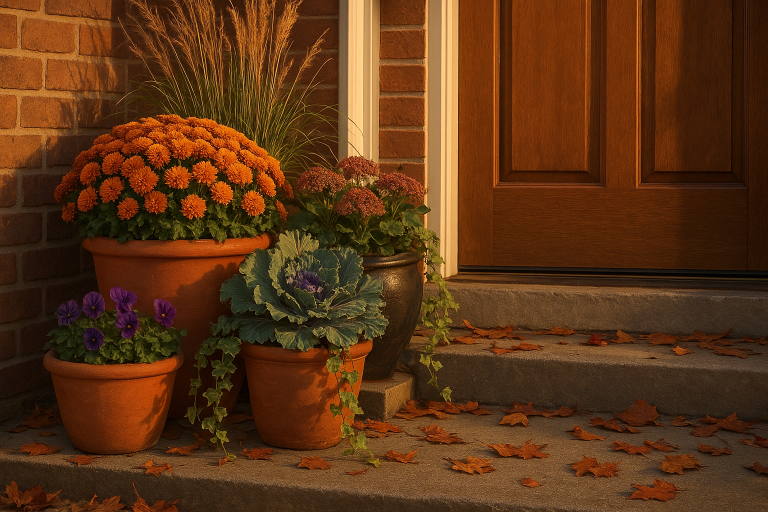
Few plants say autumn quite like a pot of cheerful chrysanthemums on the porch. So when your mums start dropping buds before they open, it can feel like the whole fall display has fallen apart overnight. The good news is that this problem is often fixable, and the fastest rescue usually starts with water at the root level.
If your chrysanthemums still have plenty of green, tight buds but are shedding a few brown ones, don’t rush to toss the plant. With the right soak and a little follow-up care, many mums can bounce back and finish the season looking full and colorful.
Why mums drop buds
Bud drop usually happens when the plant is under stress. Chrysanthemums are heavy drinkers, and the root systems in store-bought pots are often packed tightly into a small amount of soil. That combination makes it easy for the root ball to dry out faster than the top of the pot suggests.
Here are the most common reasons mums shed buds:
- Root-bound pots that dry out quickly
- Inconsistent watering, especially after bringing plants home
- Heat, wind, or strong sun drying the pot in a hurry
- Salt buildup from fertilizer in nursery-grown plants
- Physical stress from moving, bumping, or crowding the plant
When the roots can’t supply enough moisture, the plant protects itself by sacrificing some buds. It’s a survival move, not always a sign that the plant is dying.
The easiest fix: the bottoms-up soak
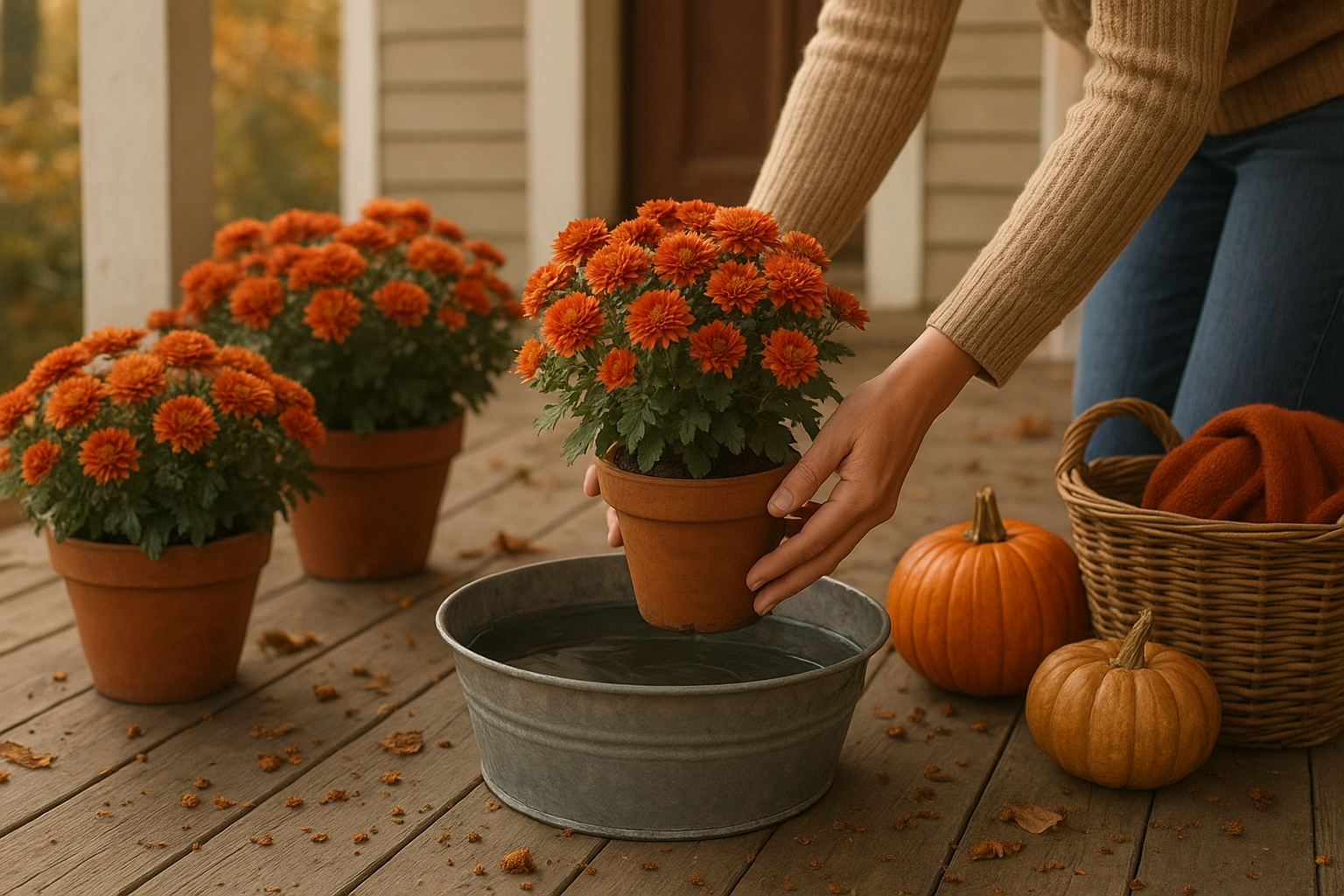
The quickest way to rehydrate a stressed mum is to water the root ball from below. Instead of pouring a little water over the top and hoping it reaches the center, you let the pot absorb moisture slowly through the drainage holes. This helps the dry core rehydrate evenly.
What you need
- A bucket, basin, or deep tray
- Room-temperature water
- Scissors or snips for removing dead buds
How to do it
- Check the pot. If the plant feels light and the soil has pulled away from the sides, it likely needs a soak.
- Trim off dead buds. Remove brown, dry, or crispy buds with your fingers or clean snips. Leave green, firm buds in place.
- Set the pot in water. Place the container in a bucket or tub with enough water to reach about halfway up the pot. Do not submerge the crown of the plant.
- Let it drink. Leave it for 10 to 20 minutes, until the top of the soil feels evenly moist.
- Drain well. Remove the pot and let excess water run out before returning it to a saucer or decorative cachepot.
If the pot is extremely dry, you may see bubbles rising as the root ball rehydrates. That is a good sign. The goal is to moisten the whole root mass, not to keep the pot sitting in water indefinitely.
What to do after the soak
Once your mum has had a good drink, place it where it can recover without extra stress. Bright light is fine, but if the plant was badly dried out, give it a day or two of protection from harsh afternoon sun and strong wind.
For best results, keep these care points in mind:
- Water when the top inch of soil feels dry, not when the plant starts looking thirsty.
- Check containers daily during warm or windy weather.
- Empty saucers so roots do not sit in water.
- Rotate the pot every few days so all sides get even light.
- Avoid heavy feeding once the plant is in bloom; too much fertilizer can add stress.
If you are growing mums outdoors in containers, remember that small nursery pots dry out far faster than garden beds. A pot that looks full and healthy on a cool morning may be bone dry by late afternoon.
How to tell which buds can still be saved
Not every bud is worth keeping. Brown, shriveled, or crispy buds will not reopen, so it is best to remove them to help the plant focus on the healthy ones. Good buds are usually firm, plump, and green or showing strong color at the tips.
When in doubt, pinch off only the clearly dead buds. Be gentle with the plant, especially near the top, where stems can be brittle. The fewer damaged spots you leave behind, the lower the chance of mold or decay setting in after watering.
Prevent bud drop next time
If your mums have a habit of dropping buds every fall, the issue may be more about setup than plant health. A few simple adjustments can make a big difference.
Choose a better pot size
Mums do better when their roots have a little more room. If the plant is packed tightly in a tiny nursery container, repot it into something slightly larger with fresh potting mix and drainage holes. More soil means more moisture reserve.
Water deeply, not just on the surface
Light sprinkles often wet only the top layer of soil. Instead, water until it comes out of the drainage holes, then wait until the top inch dries before watering again. This encourages the whole root system to stay hydrated.
Give morning sun and afternoon relief
Fall sun can still be surprisingly intense. Mums generally enjoy bright light, but in warm or windy areas, a spot with morning sun and a bit of afternoon protection helps the soil stay moist longer.
Watch for fertilizer buildup
If a plant has been fed heavily at the nursery, salts can build up in the potting mix and make it harder for roots to take in water. A thorough soak can help flush some of that stress away. For container mums, it is usually better to use a light hand with fertilizer than to overdo it.
When bud drop is a warning sign
Most of the time, mums that drop buds are simply thirsty or root-bound. But if the plant is also yellowing, wilting even after watering, or showing soft stems and bad-smelling soil, there may be a bigger problem such as root rot. In that case, check drainage right away and remove any rotting material.
Healthy mums should perk up after rehydration. Leaves may still look a bit tired for a day, but the plant should feel firmer and stop shedding buds once the moisture problem is corrected.
Keep your fall display going
A chrysanthemum in distress is often just a chrysanthemum asking for a deeper drink. A simple bottoms-up soak can make the difference between a porch full of fallen buds and a pot that stays colorful for weeks. With steady watering, a little shade from harsh conditions, and quick removal of dead buds, your mums have a much better chance of finishing the season strong.
The trick is to catch the problem early. Once you know what to look for, saving mums dropping buds becomes a quick seasonal task instead of a gardening mystery.