Fluffy Cottage Cheese Pancakes for a Protein-Packed Breakfast
If you want a breakfast that feels comforting but still keeps you full for hours, cottage cheese pancakes are a smart choice. They’re soft, lightly sweet, and surprisingly tender, with a boost of protein from both the cottage cheese and eggs.
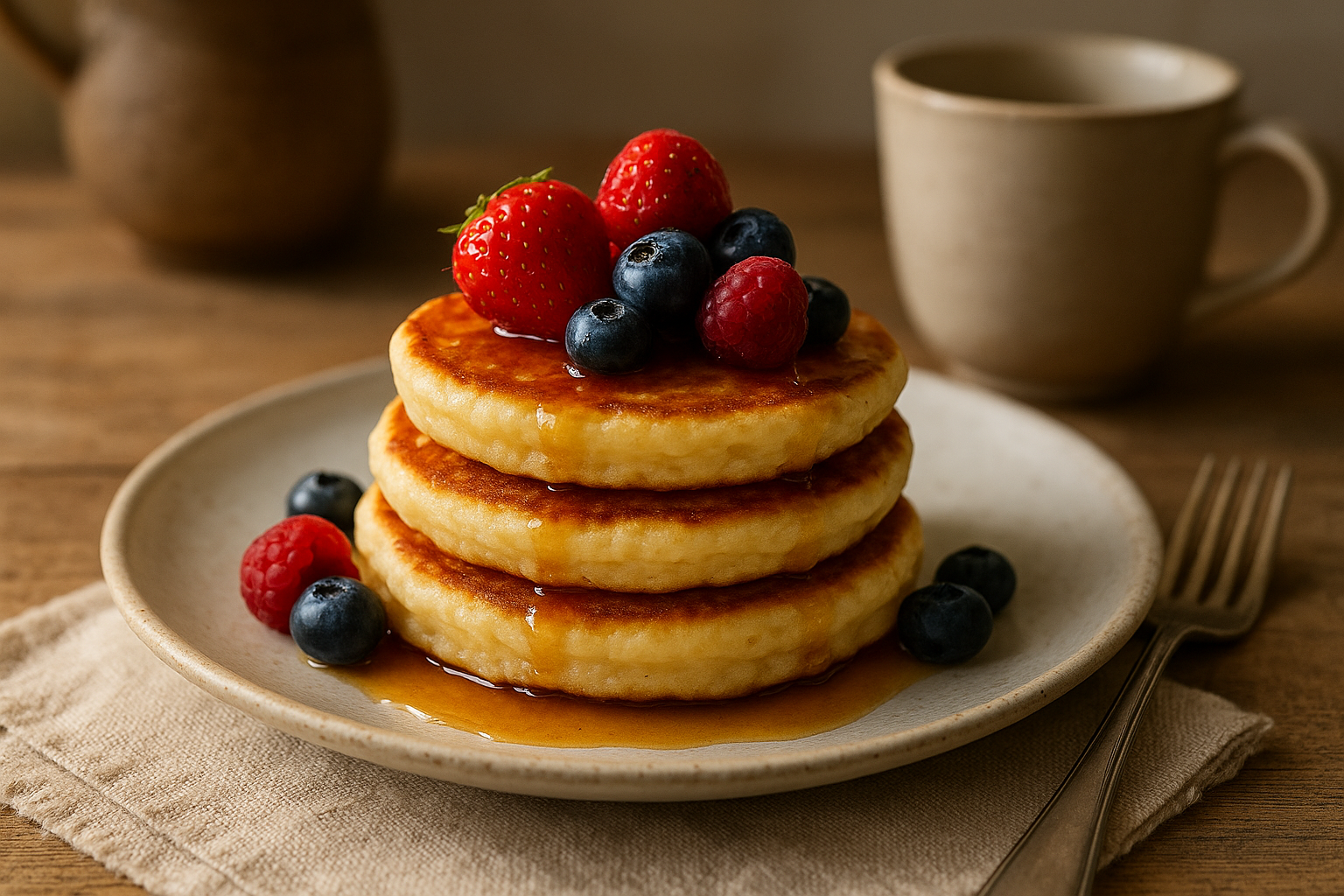
The best part is that they don’t taste like a bowl of cottage cheese at all. When blended and cooked in a hot skillet, the curds disappear into a smooth batter that turns into fluffy, golden pancakes with a gentle vanilla flavor.
Why cottage cheese works so well in pancakes
Cottage cheese does more than add protein. It also brings moisture and richness, which helps create pancakes that are soft in the middle instead of dry or rubbery. The curds melt into the batter as they cook, so you get a creamy texture without needing a lot of extra fat.
Compared with many pancake recipes, this version gives you a more balanced breakfast. You still get the cozy satisfaction of pancakes, but with more staying power thanks to the protein. That makes them especially nice for busy mornings, post-workout meals, or weekend brunches when you want something hearty without going overboard.
Ingredients you’ll need
For the best texture, use simple pantry ingredients and a blender or food processor to make the batter smooth. Here’s what goes into the base recipe:
- Cottage cheese: Full-fat or low-fat both work well. Full-fat gives a richer flavor, while low-fat keeps the pancakes a little lighter.
- Eggs: They help bind the batter and add structure.
- All-purpose flour: Just enough to hold everything together without making the pancakes dense.
- Baking powder: This gives the pancakes lift and helps them cook up fluffy.
- Vanilla extract: Adds warmth and a gentle dessert-like flavor.
- Maple syrup or sugar: A small amount brings sweetness without overpowering the batter.
- Salt: A little salt sharpens the flavor and keeps the pancakes from tasting flat.
If you like, you can also add cinnamon, lemon zest, or a pinch of nutmeg for extra flavor. These are optional, but they work especially well if you plan to serve the pancakes with fruit.
How to make cottage cheese pancakes
- Blend the wet ingredients. Add cottage cheese, eggs, vanilla, and maple syrup to a blender or food processor. Blend until mostly smooth. A few tiny curds are fine, but the mixture should look creamy.
- Mix the dry ingredients. In a separate bowl, stir together the flour, baking powder, and salt.
- Combine the batter. Pour the blended mixture into the dry ingredients and stir just until combined. Don’t overmix; a few streaks are okay.
- Rest briefly. Let the batter sit for 5 to 10 minutes so the flour hydrates and the pancakes hold together better.
- Cook on a lightly greased skillet. Set a nonstick or cast-iron pan over medium heat. Add a little butter or oil, then spoon in the batter.
- Flip when ready. Cook until the edges look set and bubbles form on the surface, then flip and cook the second side until golden brown.
The batter is usually thicker than standard pancake batter, which is exactly what you want. Use a spoon or measuring cup to drop it onto the skillet, and don’t worry if the pancakes are a little rustic. That thick batter helps them stay tender.
Tips for fluffy, not heavy pancakes
If you’ve ever made protein pancakes that turned out dense, a few small tricks can make a big difference.
- Blend well: A smoother cottage cheese base creates a softer final texture.
- Measure the flour carefully: Too much flour can make the pancakes dry and heavy.
- Use medium heat: If the pan is too hot, the outside will brown before the center cooks through.
- Don’t press them down: Let the pancakes rise naturally in the pan.
- Keep them small: Smaller pancakes are easier to flip and cook more evenly.
If your batter seems too thick, stir in a tablespoon or two of milk. If it seems too thin, add a tablespoon of flour. Cottage cheese brands vary in moisture, so a tiny adjustment is normal.
Serving ideas
Cottage cheese pancakes are delicious with the usual maple syrup, but they’re also easy to dress up. Because the batter has a mild flavor, it pairs well with both sweet and slightly tangy toppings.
- Fresh berries and maple syrup
- Sliced bananas and peanut butter
- Greek yogurt and honey
- Blueberry compote
- Peach slices and a sprinkle of cinnamon
- Lemon curd for a bright brunch-style twist
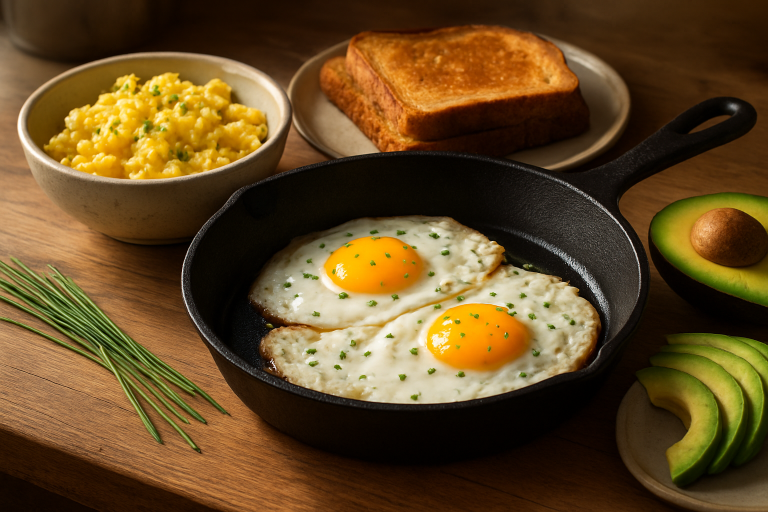
For a more filling breakfast, add scrambled eggs or turkey sausage on the side. If you want something lighter, top the pancakes with fruit and a spoonful of yogurt instead of a big pour of syrup.
Make-ahead and storage tips
These pancakes are a strong candidate for meal prep. You can make a batch ahead of time and reheat them during the week for a quick breakfast.
To store leftovers, let the pancakes cool completely first. Then place them in an airtight container in the refrigerator for up to 4 days. For longer storage, freeze them in a single layer on a baking sheet before transferring them to a freezer bag. They’ll keep well for about 2 months.
To reheat, warm them in a toaster, toaster oven, skillet, or microwave until heated through. A toaster works especially well if you like crisp edges.
Flavor variations to try
Once you master the basic version, it’s easy to customize. Here are a few reliable variations:
- Blueberry cottage cheese pancakes: Fold fresh or frozen blueberries into the batter just before cooking.
- Lemon pancakes: Add finely grated lemon zest and serve with berries.
- Cinnamon-vanilla pancakes: Add extra cinnamon and a little more vanilla for a warm flavor.
- Chocolate chip pancakes: Stir in mini chocolate chips for a more kid-friendly version.
- Oat version: Swap some of the flour for quick oats or blend oats into flour for a heartier texture.
If you want to experiment with whole grain flour, start by replacing only part of the all-purpose flour. Too much whole wheat flour can make the pancakes heavier, so a partial swap is usually the best approach.
Common questions
Do cottage cheese pancakes taste cheesy?
No. Once blended and cooked, the cottage cheese flavor is very mild. Most people notice the fluffy texture and vanilla notes more than anything else.
Can I make them without a blender?
Yes, though the texture will be a little more rustic. Mash the cottage cheese with a fork first, then whisk the batter very well. The pancakes may still have tiny curds, which is fine if you don’t mind a bit of texture.
What kind of cottage cheese is best?
Small-curd cottage cheese blends especially smoothly, but any variety will work. Choose one you already enjoy eating, since the flavor will still come through subtly in the finished pancakes.
A breakfast worth repeating
These cottage cheese pancakes are a great example of how a few simple ingredients can make breakfast feel both comforting and practical. They’re easy enough for a weekday, special enough for brunch, and flexible enough to suit whatever toppings you have on hand.
Make them once, and you may find they become part of your regular breakfast rotation. They deliver that classic pancake experience, just with a little more staying power and a lot more protein.