Cook by Craving: How Flavor-Forward Meals Simplify Dinner
When dinner feels repetitive, a flavor-first approach can bring the fun back into cooking. Instead of starting with a protein or a rigid meal plan, you begin with what you’re actually craving—something saucy, crunchy, tangy, herby, spicy, or sweet—and build from there.
This way of cooking is especially helpful on busy nights, because it shifts the question from “What should I make?” to “What sounds good right now?” That small change can make weeknight cooking feel easier, faster, and a lot more satisfying.
Why cooking by craving works
Traditional meal planning often organizes food around breakfast, lunch, and dinner, or around categories like chicken, pasta, and salads. Those systems are useful, but they can also feel limiting when you’re tired or short on ideas. A craving-based method focuses on the experience of eating, which is often what people are truly after at the end of the day.
Think about the last meal you really enjoyed. Chances are, it wasn’t memorable because it fit into a neat category. It was memorable because it had a bold sauce, a fresh herb finish, a satisfying crunch, or the right balance of sweet and salty. Building meals around those qualities gives you more flexibility and often leads to better flavor.
The main flavor buckets to keep in mind
You do not need a complicated system to use this method at home. It helps to think in broad categories that can be mixed and matched.
Saucy
Saucy meals are comforting and easy to pull together. They usually rely on a flavorful dressing, glaze, simmer sauce, or braise that ties everything together. Examples include stir-fries with a glossy sauce, pasta tossed with tomato or cream sauce, grain bowls with tahini dressing, or roasted vegetables finished with a spoonable drizzle.
Crunchy
Crunch adds contrast and keeps a meal from feeling flat. You can get it from toasted nuts, crispy breadcrumbs, fried shallots, raw vegetables, pickled vegetables, or well-roasted ingredients with browned edges. A crunchy topping can rescue an otherwise simple bowl of soup, salad, or noodles.
Herby
Herby food tastes fresh and lively. Parsley, cilantro, dill, basil, mint, chives, and scallions can change the feel of a dish instantly. If a meal tastes heavy, a handful of herbs and a little acid can wake it up.
Tangy
Tangy flavors come from ingredients like lemon juice, vinegar, yogurt, buttermilk, tomatoes, tamarind, or pickles. These brighten rich ingredients and help balance sweetness or fat. Tangy food is especially useful when you want dinner to taste vibrant without requiring a lot of extra work.
Spicy
Spice is not just about heat; it is also about depth and energy. Chili crisp, red pepper flakes, harissa, hot sauce, fresh chiles, and curry pastes can make simple staples taste more interesting. If you cook for mixed preferences, keep the heat flexible by serving spicy condiments on the side.
Sweet
Sweet dishes are not limited to dessert. A touch of sweetness in savory cooking can come from roasted carrots, caramelized onions, maple-glazed vegetables, fruit in salads, or honey in dressings. Sweetness can soften sharp flavors and create better balance.
How to build a craving-based dinner
Once you know the flavor you want, use this simple framework to get dinner on the table without overthinking it.
- Choose a base. Start with rice, noodles, bread, potatoes, greens, or grains.
- Add one main ingredient. Use beans, eggs, tofu, fish, chicken, beef, or extra vegetables.
- Pick your flavor direction. Decide whether the meal should be saucy, crunchy, tangy, herby, spicy, or sweet.
- Include contrast. Add something soft with something crisp, or something rich with something acidic.
- Finish strongly. A final squeeze of citrus, a sprinkle of herbs, or a crunchy topping can make the dish feel complete.
Easy combinations to try tonight
Here are a few practical pairings that make the idea easier to use in real life:
- Saucy + crunchy: rice bowl with teriyaki tofu, cucumber, and toasted sesame seeds
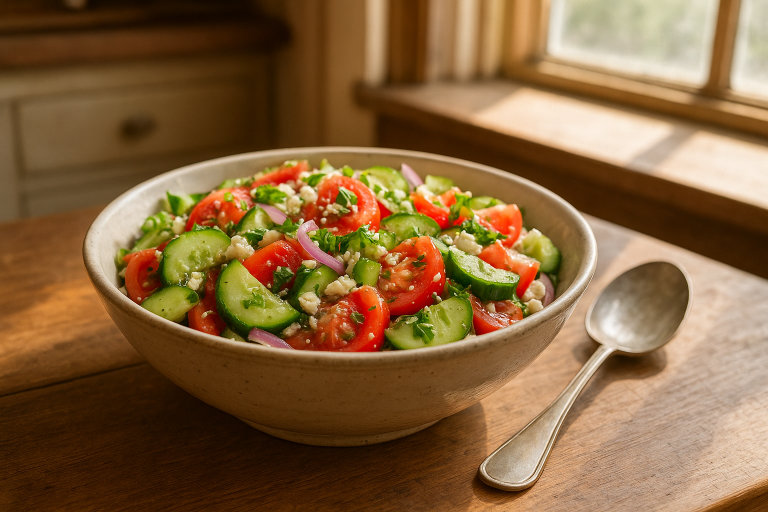
- Herby + tangy: lemony chickpea salad with dill, parsley, and feta
- Spicy + sweet: roasted sweet potatoes with chili oil and a drizzle of honey
- Crunchy + fresh: tacos with cabbage slaw, pickled onions, and avocado
- Rich + tangy: creamy pasta with a squeeze of lemon and a handful of herbs
These combinations are not strict recipes. They are starting points you can adapt to what you already have in the fridge.
What to keep stocked for fast flavor
A few pantry and refrigerator staples can make this style of cooking much easier. If you keep a small collection of flavor builders on hand, you can put together dinners quickly without sacrificing taste.
- Acid: lemons, limes, vinegars, pickles
- Heat: chili flakes, hot sauce, chili crisp, harissa
- Freshness: parsley, cilantro, basil, dill, scallions
- Crunch: nuts, seeds, panko, fried onions, tortilla chips
- Sweeteners: honey, maple syrup, jam
- Flavor bases: miso, soy sauce, tahini, mustard, pesto
With these ingredients in your kitchen, a plain meal can become something worth looking forward to.
How to make it work on busy weeknights
One of the best things about cooking by craving is that it reduces decision fatigue. You do not need a perfect plan; you need a useful one. Here are a few ways to make the system even easier.
Prep with flexibility
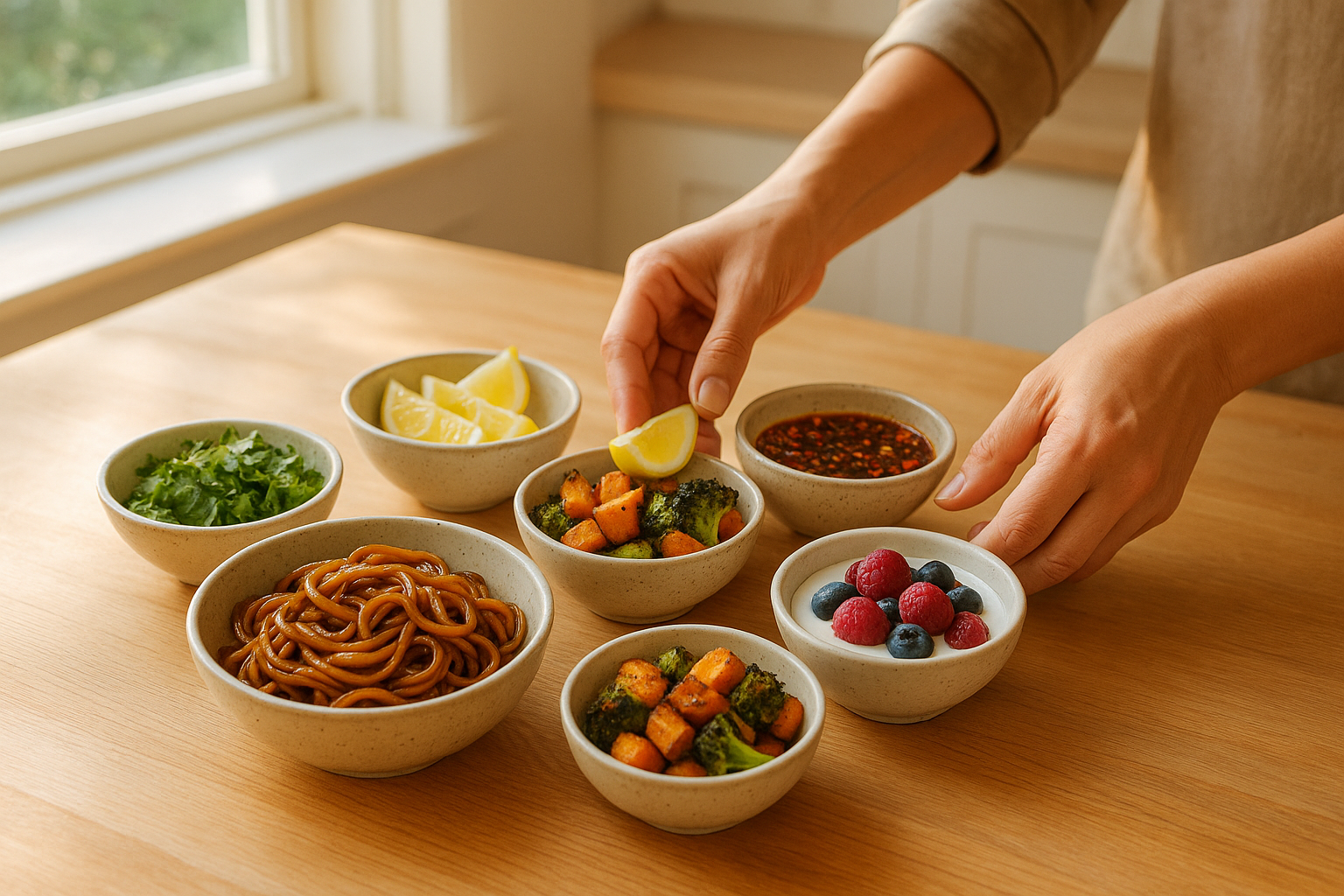
Instead of meal prepping full recipes, prep building blocks. Wash herbs, cook a pot of grains, roast a tray of vegetables, and make one versatile sauce. These components can turn into bowls, wraps, salads, or quick skillet dinners.
Think in leftovers, not repeats
Leftovers do not have to taste like the same meal twice. Leftover roasted vegetables can become tacos the next day. Rice can be turned into fried rice or a grain salad. Chicken can be chopped into a saucy noodle bowl. A little reinvention keeps meals interesting.
Use condiments strategically
A great condiment can save dinner. Salsa, pesto, tahini sauce, yogurt sauce, chimichurri, and vinaigrette can turn plain ingredients into something more complete. Keep at least one or two ready in the fridge if possible.
A simple formula you can remember
If you want a shortcut, use this pattern: base + main ingredient + flavor + contrast + finish. For example, you might make roasted potatoes with eggs, hot sauce, crispy shallots, and herbs. Or quinoa with beans, lemon-tahini dressing, cucumbers, and toasted pepitas.
That formula is flexible enough for nearly any ingredient you already have, which is why it works so well for everyday cooking. It also encourages creativity without making dinner feel like a project.
The bottom line
Cooking by craving is less about following strict rules and more about paying attention to what sounds satisfying. When you start with flavor and texture, dinner becomes easier to plan, easier to cook, and much more enjoyable to eat. Whether you’re craving something crisp and bright or cozy and saucy, there is usually a simple way to make it happen at home.
So the next time you open the fridge and feel stuck, skip the usual “What can I make?” question. Ask instead: What am I craving? That answer may be the fastest route to a great meal.